



From Slumber to Spectacle
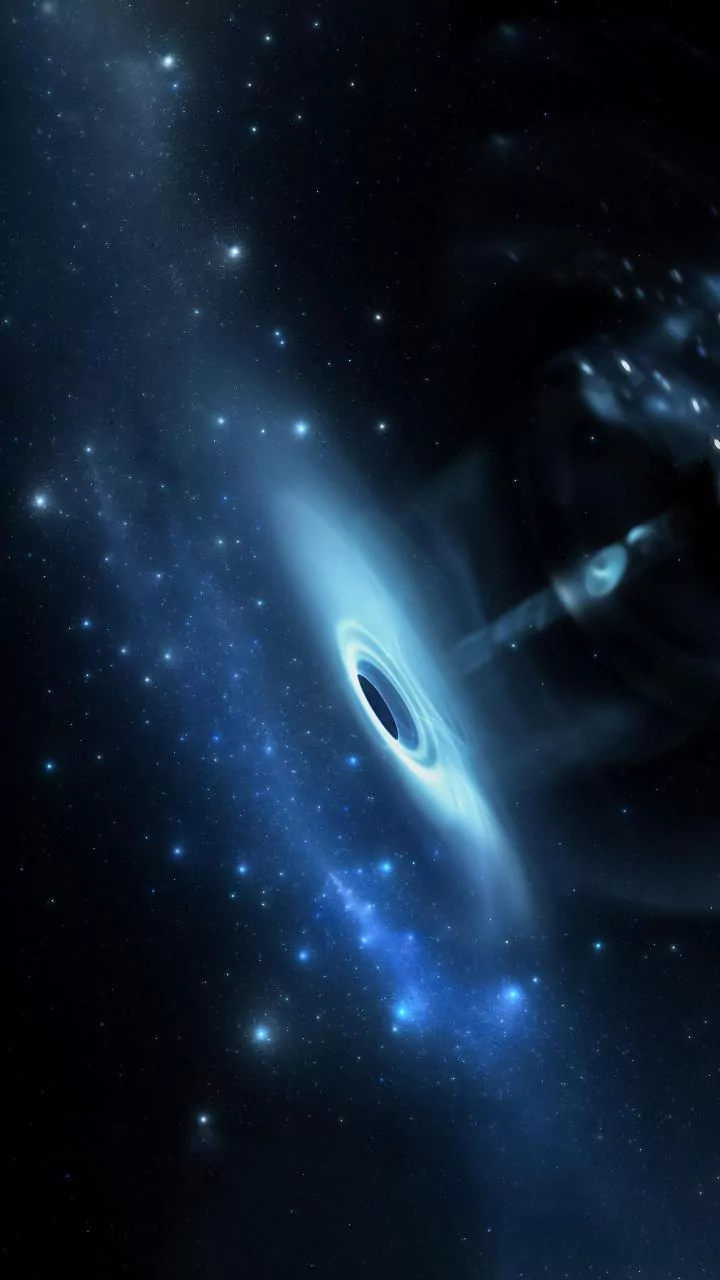
A supermassive black hole (SMBH) is considered 'inactive' or 'quiescent' when there isn't much material—like gas, dust, or stars—falling into it. For most of their lives, these giants are relatively quiet, their immense gravity only affecting their immediate
surroundings. Our own Milky Way's central black hole, Sagittarius A*, is currently in this sleepy state. However, this cosmic peace can be disturbed. If a large cloud of gas or an unlucky star wanders too close, the black hole's gravity takes hold, and the giant begins to awaken.
What 'Activation' Really Means
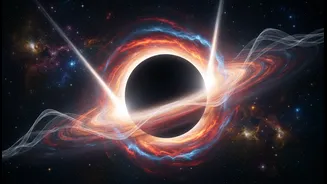
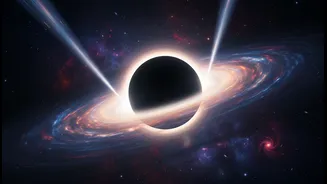
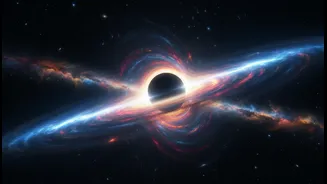
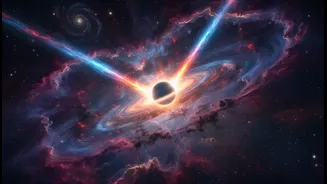
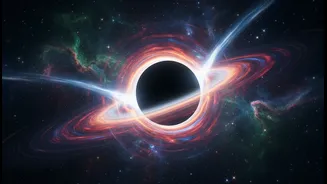
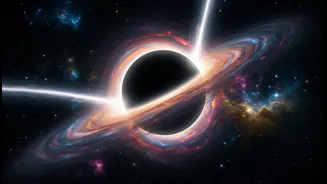
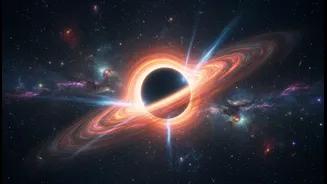
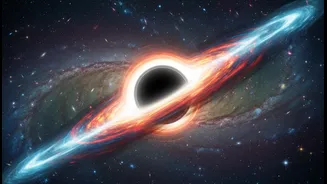
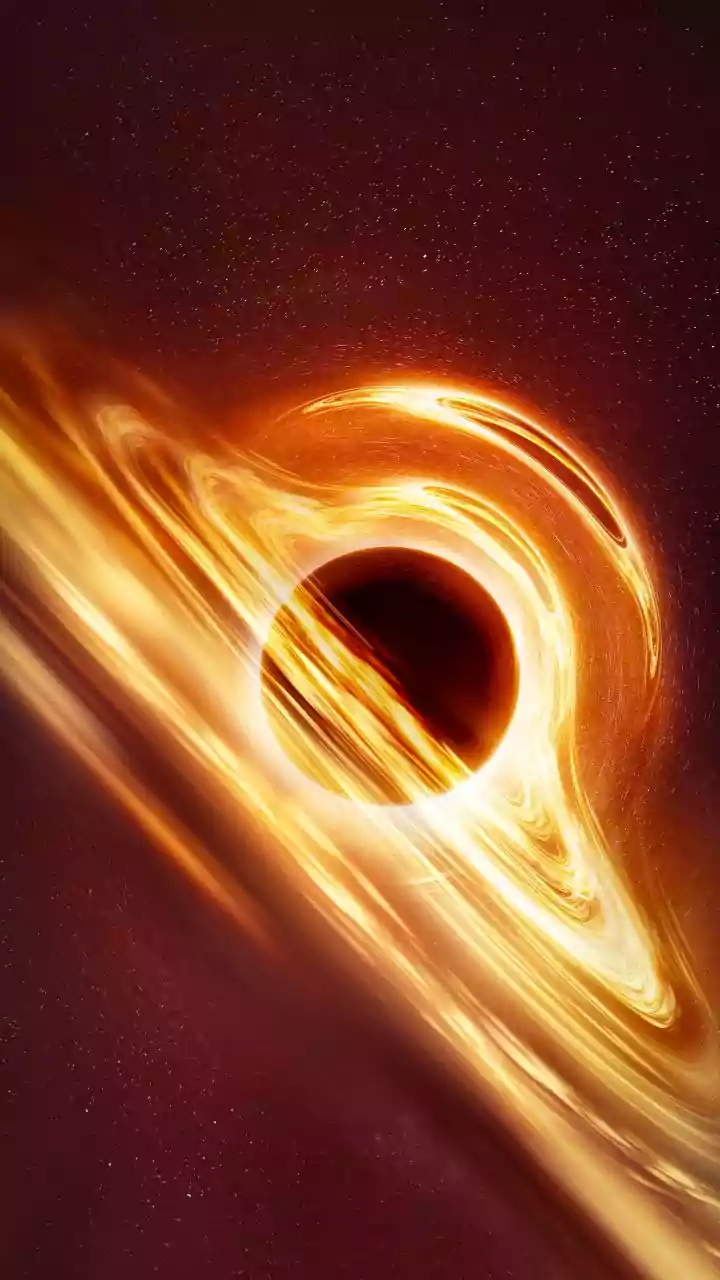
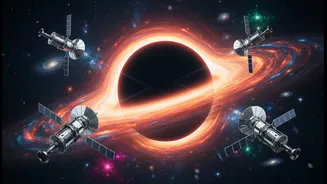
Activation is the process of a black hole beginning to actively consume large amounts of matter. This material doesn't fall straight in. Instead, it gets pulled into a swirling, superheated whirlpool called an accretion disk. As the gas and dust in this disk rub against each other at incredible speeds, friction heats them to millions of degrees, causing the entire region to glow intensely across the electromagnetic spectrum. This brilliant, sustained outburst of energy is what astronomers refer to as an Active Galactic Nucleus, or AGN, and it can outshine all the stars in its host galaxy combined. It is, for all intents and purposes, the black hole turning on the lights.
The Cosmic Watchtowers
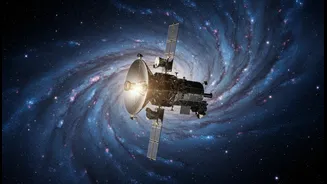
Observing this phenomenon requires a team of telescopes working in concert, each watching for a different type of light. The initial brightening is often caught by wide-field survey telescopes on the ground, like the Zwicky Transient Facility (ZTF) in California, which scans the entire northern sky every two days. Once a potential awakening is flagged, space-based observatories are called in. Telescopes like NASA's Neil Gehrels Swift Observatory and the Chandra X-ray Observatory look for high-energy ultraviolet and X-ray radiation, which are tell-tale signs of a newly-formed, scorching accretion disk. Meanwhile, the James Webb Space Telescope (JWST) can peer in with its powerful infrared vision to analyze the gas and dust feeding the beast. This multi-wavelength approach is crucial to piece together the full story.
A Beast Awakens: SDSS1335+0728
For years, this was all theoretical. But in December 2019, astronomers got to see it happen for the first time. A previously unremarkable galaxy named SDSS1335+0728, located about 300 million light-years away, suddenly began to brighten dramatically. What at first might have been a temporary event, like a black hole shredding a single star—a process called a Tidal Disruption Event (TDE)—refused to fade. Instead, the galaxy has continued to get brighter for years. In early 2024, it even began glowing in X-rays. Scientists now believe they are witnessing the birth of an AGN, watching a supermassive black hole, estimated to be about a million times the mass of our sun, switch on in real time.
Why This Discovery Matters
Watching a supermassive black hole activate is more than just cosmic spectacle; it's a unique opportunity to understand how galaxies grow and evolve. These active phases are thought to play a critical role in regulating the birth of new stars within a galaxy. The immense energy and radiation blasting out from an AGN can either compress gas clouds to trigger star formation or blow them away entirely, halting it. Until now, astronomers have only been able to study AGNs that are already mature. Observing one from the moment of ignition, as with SDSS1335+0728, provides invaluable data about the physical processes that drive the co-evolution of black holes and the galaxies they inhabit.