






What Indians Want: The Social Media Plate
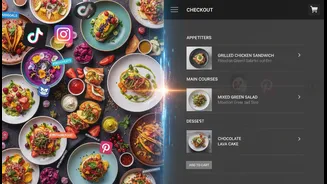
In India, food discovery no longer starts with asking a friend; it starts with a scroll through Instagram Reels. Platforms like Instagram and YouTube have become the nation's new food search engines, where millions of users decide what to eat based on short,
tantalising videos. These platforms are a firehose of data on consumer desire, highlighting what captures the public's imagination, from experimental and oversized dishes designed for shock value to a resurgence in cinematic street food storytelling. This digital appetite is dynamic and powerful, creating real-world demand overnight for specific flavours, dishes, and experiences. Social listening tools now track these conversations in real-time, identifying emerging trends long before they become mainstream. For food businesses, this social search data is a direct, unfiltered look into the cravings of the Indian consumer.
What Restaurants Serve: The Menu Reality
While social media buzzes with novelty, restaurant menus are often a different story. They are typically built on operational realities: supply chain, kitchen efficiency, ingredient costs, and profit margins. For years, menu engineering in India was driven by a chef's instinct and past sales data from Point-of-Sale (POS) systems. While this internal data is crucial for optimising profitability and reducing waste, it is inherently backward-looking. It reflects what has sold well, not what could sell well. This creates a natural inertia. A restaurant might be expert at selling butter chicken, with a streamlined process and reliable suppliers, making it risky and operationally complex to suddenly introduce a trending, but untested, Korean-inspired dish they saw online. This operational stability, while sensible, is often at odds with the fast-paced world of digital trends.
Mind the Gap: Where Online Hype Meets Offline Menus
The "social-to-menu gap" is the disconnect between the food people are excited about online and the dishes they can actually order. A trend for high-protein wellness foods might be exploding in online conversations, but local cafes may still be focused on traditional carb-heavy snacks. This gap represents a missed opportunity. Data shows that diners are increasingly choosing where to eat based on what they see on social media, with many specifically searching for viral items. When restaurants fail to bridge this gap, they lose out on footfall, online discovery, and the chance to attract new customers. The challenge is speed and execution. Viral trends can peak and fade within weeks, making it difficult for larger chains with slower product development cycles to keep up. Smaller, more agile restaurants and cloud kitchens, however, are often quicker to adapt, turning online buzz into real menu items and revenue.
The Restaurant Innovator’s Playbook
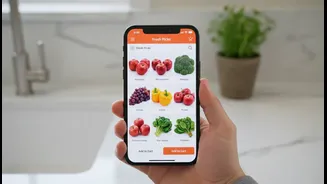
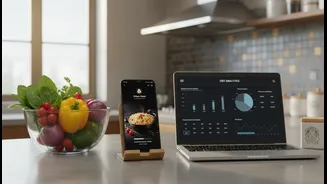
For savvy restaurateurs, the social-to-menu gap isn't a problem; it's a strategic playbook. By combining external market signals from social media with internal sales data, they can make smarter, faster decisions. Some restaurants are now creating 'Instagram-first' dishes, designed specifically for visual appeal and social sharing, using them as limited-time offers to drive traffic. These viral items act as a gateway, attracting customers who then explore the rest of the menu. The use of data analytics is shifting decision-making from being purely gut-feel to being insight-supported. Technology platforms now help restaurants analyse menu performance, track competitor offerings, and even predict demand shifts, allowing them to innovate with reduced risk. This data-driven approach allows for dynamic menu adjustments, capitalising on micro-trends and regional preferences to stay relevant.
From Viral Trend to Supermarket Shelf
The opportunity extends far beyond restaurant kitchens. The packaged food industry in India, a sector poised for massive growth, can also leverage this data gap. When a food trend shows sustained interest online—think of the 'phenti hui coffee' that became a global rage or the constant demand for healthy, high-protein snacks—it signals a proven market need. Packaged food companies can move to fill this gap on a larger scale. If people are searching for convenient, ready-to-cook versions of complex regional dishes or healthier snack alternatives, FMCG brands can develop products to meet that exact demand. This reduces the risk of new product launches, as the concept has already been validated by the public. Recent case studies show startups successfully launching products like plant-based ice creams and high-protein beverages that first gained traction as online trends.