





It Makes Small Spaces Feel Huge
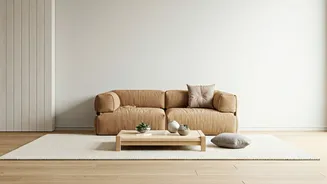
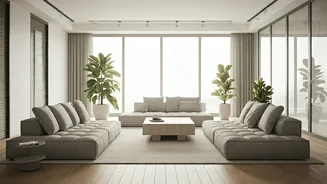
The primary magic of low-floor seating lies in a simple optical illusion. In a typical rental apartment where square footage is at a premium, traditional bulky furniture can quickly eat up visual space, making rooms feel cramped. Low-profile sofas, floor cushions,
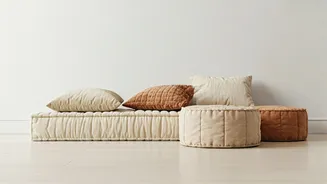
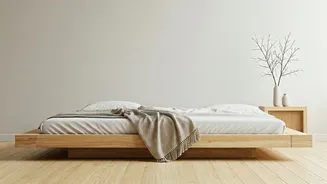
and low-slung coffee tables leave more of the wall exposed. This creates an impression of higher ceilings and a more open, airy environment. By lowering the horizontal sightline, the room suddenly feels more expansive and less cluttered. For renters dealing with compact living rooms or studio layouts, this is a game-changer. It’s an architectural trick that requires no renovation, just a smart furniture choice, allowing you to maximize the feeling of space you’re paying for.
A Nod to Global Minimalism
This trend isn't entirely new; it’s heavily inspired by long-standing traditions in other cultures, particularly Japan and Korea. The Japanese practice of sitting on tatami mats, using 'zaisu' (legless chairs), and maintaining a clutter-free environment reflects a philosophy of mindfulness and connection to the earth. This minimalist approach, often associated with concepts like wabi-sabi (finding beauty in imperfection) and Ma (the importance of negative space), resonates deeply with a modern desire for simplicity and calm. Adopting low seating is a way of importing this serene, intentional aesthetic. It transforms a living room from a purely functional space into a sanctuary for relaxation and quiet contemplation, offering an escape from the chaos of the outside world.
Flexibility Is a Renter’s Best Friend
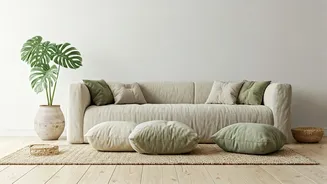
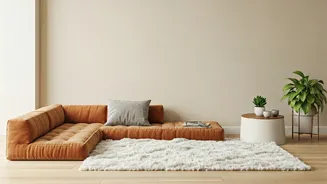
Renters know the pain of moving. A sofa that fit perfectly in one apartment might block a crucial doorway in the next. Low-floor seating layouts are often inherently modular and flexible. Instead of one monolithic couch, the look can be achieved with a combination of a low-profile sectional, ottomans, poufs, and oversized floor pillows. This modularity is a huge asset. Pieces can be rearranged for a movie night, pushed aside for a home workout, or reconfigured to fit a completely different room layout when it’s time to move. This adaptability makes it a financially savvy and practical choice for those who don’t have the permanence of homeownership. You’re not investing in a single, heavy piece of furniture but in a versatile system that can evolve with your living situation.
It Creates a Cozy, Communal Vibe
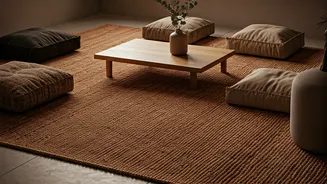
There's a psychological shift that happens when you sit closer to the ground. It feels more informal, intimate, and communal than perching on formal, upright chairs. Think of gathering with friends on a picnic blanket or sitting around a campfire. Low seating brings that same relaxed, grounded energy indoors. It encourages lounging, leaning, and a more casual style of interaction. This setup breaks down the formality of traditional living room arrangements, making the space feel more like a comfortable 'nest' or lounge. For people who love hosting casual get-togethers, this layout is incredibly inviting and helps guests feel at ease instantly. It fosters a sense of togetherness that a more rigid furniture setup often lacks.
How to Get the Look Affordably
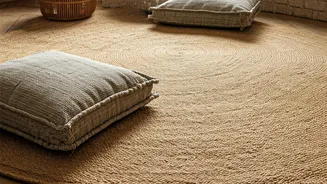
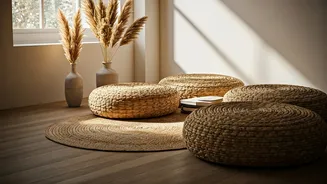
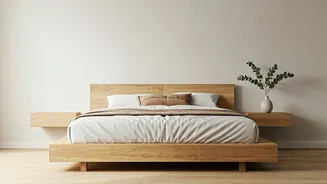
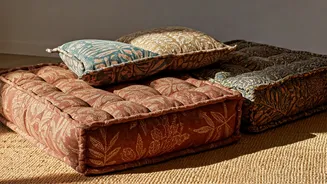
Embracing the low-floor trend doesn’t require a huge budget. Start small. Instead of a new sofa, invest in large, high-quality floor cushions or poufs made from durable fabrics like linen, jute, or thick cotton. Look for low-profile media consoles and coffee tables—or even use a stack of art books as a side table for a bohemian touch. Online marketplaces are great for finding second-hand low-slung sofa frames or modular sectional pieces. You can also create a DIY platform bed or sofa base using wooden pallets for a rustic-industrial take on the trend. The key is to keep the colour palette neutral and focus on texture—think woven rugs, soft throws, and a variety of cushion shapes—to build a space that looks curated and intentional, not like you just haven't bought a sofa yet.