







1. Rethink Your Rain Gear
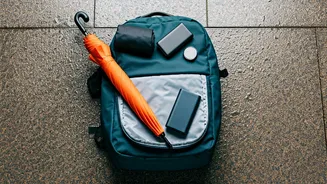
An umbrella is a good start, but it won't save you from a proper downpour, especially in windy conditions. Experienced travellers opt for a two-pronged approach. First, a lightweight, breathable, and fully waterproof rain jacket with a hood. Look for taped
seams, which prevent water from seeping through the stitching. Second, a waterproof cover for your backpack. Many modern rucksacks come with an integrated one, but you can buy them separately. This combination keeps both you and your belongings dry, leaving your hands free, which is crucial when navigating slippery paths or crowded streets.
2. Master the Art of Packing
During the monsoon, what you pack is as important as how you pack it. Ditch cotton and denim; they absorb moisture and take forever to dry in high humidity. Instead, choose synthetic, quick-dry fabrics like polyester or nylon for your clothes. They are lightweight and will air-dry in a few hours inside a hotel room. Pack everything inside plastic bags or dedicated dry bags within your main luggage. A pro tip: bring a few extra ziplock bags in various sizes. They are invaluable for protecting your wallet, passport, and other small essentials from a sudden shower.
3. Protect Your Electronics
Water is the enemy of electronics. While a ziplock bag offers basic protection for your phone, clever travellers go a step further. Before packing your camera, power bank, or laptop, toss a few silica gel packets into their cases. You can collect these from new shoe boxes or purchase them online. They absorb ambient moisture and help prevent condensation from forming inside your devices, which can be a silent killer in humid environments. For photography enthusiasts, a waterproof camera housing or even a high-quality waterproof phone pouch can be a game-changer, allowing you to capture stunning rainy-day shots without worry.
4. Solve the Footwear Dilemma
The wrong footwear can ruin a monsoon trip. Leather shoes are a definite no—they get ruined by water and can lead to fungal infections. Sports shoes, while comfortable, become heavy and squishy when wet and take days to dry. The smartest choice for rainy-day wandering is a good pair of rubber floaters or sandals with a strong grip. They don't absorb water, they dry in minutes, and you can easily wash off any mud. For treks or hikes, invest in a pair of waterproof trekking shoes with high ankle support and deep grooves for traction on slippery terrain.
5. Build Buffers into Your Itinerary
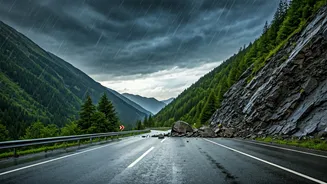
Monsoons can be unpredictable. Heavy rains can lead to delayed flights, cancelled trains, and road blockages due to landslides, especially in hilly regions. A rigid, back-to-back itinerary is a recipe for stress. The clever approach is to plan with flexibility. Add a buffer day before any crucial travel leg, like a flight home. Don't overschedule your days. This relaxed approach allows you to adapt to weather changes without panic. It might mean an extra day enjoying the view from your hotel, but that’s far better than missing a connection.
6. Choose Your Destination Wisely
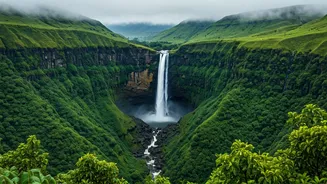
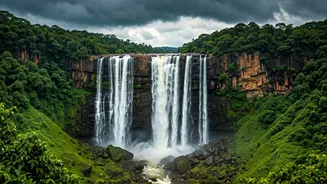
Not all destinations are created equal during the monsoon. While some regions become inaccessible or prone to natural disasters, others come alive. The Western Ghats in Maharashtra and Kerala, for instance, transform into a lush, green paradise with cascading waterfalls. Places like Udaipur and Jaipur in Rajasthan, often too hot to visit in summer, become pleasant and less crowded. Do a little research. Opt for destinations that are known for their monsoon beauty and have the infrastructure to handle the rains. This ensures your trip is memorable for the right reasons.