






What Exactly Is the Skin Barrier?
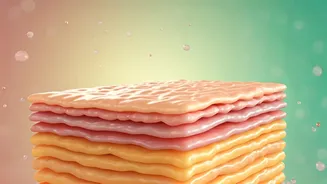
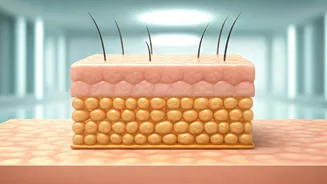
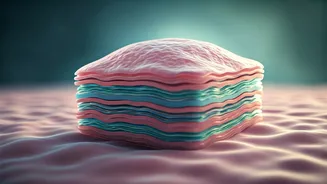
Think of your skin barrier as your body's personal security guard. Scientifically known as the stratum corneum, it's the outermost layer of your skin. This layer is made up of tough skin cells called corneocytes, held together by a lipid mixture of ceramides,
cholesterol, and fatty acids. This structure is often described as a 'brick and mortar' wall: the cells are the bricks, and the lipids are the mortar holding everything together. Its primary job is twofold: to keep good things (like water and moisture) in, and to keep bad things (like pollutants, irritants, and bacteria) out. When this barrier is healthy and functioning properly, your skin looks and feels smooth, hydrated, and calm.
Signs Your Barrier Is Damaged
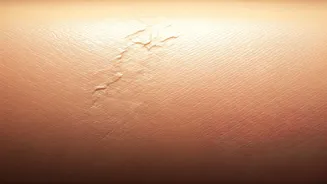
A compromised skin barrier can’t do its job effectively, and the signs are usually easy to spot. If you're experiencing unusual sensitivity, your skin is probably sending an SOS. Common red flags include redness, persistent dryness or flakiness, a tight or uncomfortable feeling, and increased itchiness. You might also notice that your skincare products, even ones you’ve used for years, suddenly sting or burn upon application. For some, a damaged barrier can manifest as an increase in acne breakouts, as the skin becomes more vulnerable to bacteria. In essence, if your skin feels reactive, irritated, and generally unhappy, a weakened barrier is a very likely culprit.
The Common Causes of Damage
Our skin barrier is resilient, but it isn't invincible. Many common habits and environmental factors can weaken it over time. One of the biggest offenders is over-exfoliation. Using harsh physical scrubs or potent chemical exfoliants (like AHAs and BHAs) too frequently can strip away the essential lipids that hold the barrier together. Similarly, using cleansers with harsh surfactants (like sulphates) that leave your skin feeling 'squeaky clean' can also be detrimental. Other factors include environmental stressors like pollution, extreme weather conditions (too much sun, wind, or cold), and even psychological stress. Not wearing sunscreen is another major cause, as UV radiation creates free radicals that degrade the skin's structure and function.
Your Simple Barrier Repair Plan
The good news is that a damaged barrier can be repaired. It just requires patience and a gentle, consistent approach. Experts recommend stripping your routine back to the basics: a gentle cleanser, a barrier-supporting moisturiser, and a broad-spectrum sunscreen.
1. **Cleanse Gently:** Swap out foaming cleansers for a milky, cream, or gel-based formula that cleans without stripping. Wash with lukewarm water, as hot water can further dehydrate the skin.
2. **Hydrate and Moisturise:** Look for moisturisers packed with barrier-loving ingredients. Ceramides are non-negotiable, as they are the 'mortar' of your skin barrier. Other heroes include hyaluronic acid to draw in moisture, niacinamide to calm inflammation and support ceramide production, and squalane for lightweight hydration.
3. **Pause Actives:** Temporarily stop using all exfoliants, retinoids, and vitamin C serums. Give your skin a break for a few weeks to allow it to heal and rebuild its defences. You can slowly reintroduce them one by one once your skin feels calm and comfortable again.
4. **Protect with SPF:** Sunscreen is your barrier's best friend. Apply a broad-spectrum sunscreen with SPF 30 or higher every single day, even when it's cloudy. This protects the skin from UV damage, allowing it to focus its energy on repair.