




The perfect medu vada—impossibly crispy on the outside, unbelievably fluffy on the inside—is a South Indian culinary treasure. Often seen as a treat to be enjoyed at restaurants, achieving that ideal texture at home can seem daunting. This guide is here
to change that.
The Foundation: Understanding Urad Dal
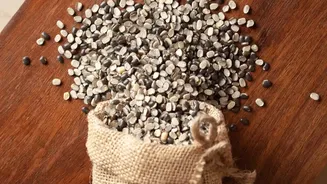
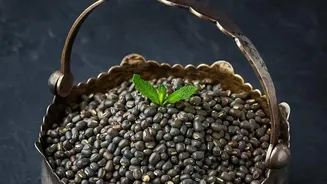
Urad dal, or split and skinned black gram, is the heart and soul of medu vada. Its unique properties are what make this dish possible. When soaked and ground correctly, urad dal creates a light, airy, and sticky batter that puffs up beautifully when fried, yielding a crisp shell and a soft, bread-like interior. This is why simply substituting it with another lentil won't produce the same iconic result. While it's famously used for vadas, urad dal is a versatile ingredient in Indian cuisine, forming the base for dishes like creamy dal makhani, comforting khichdi, and the batters for idli and dosa.
The Critical Step: Soaking and Grinding
The secret to a crispy vada begins long before the oil is heated. The first non-negotiable step is soaking the dal. Rinse one cup of urad dal thoroughly and soak it in ample water for about two to four hours. Over-soaking can lead to a runny batter that absorbs too much oil, while under-soaking results in hard vadas. After soaking, drain the water completely. The grinding process is where the magic happens. The goal is a thick, smooth, and fluffy paste. Use a grinder or a powerful blender, and add water sparingly—just a few tablespoons at a time, preferably ice-cold water, to keep the batter from heating up. Scrape down the sides frequently to ensure an even grind. Too much water is the most common mistake, leading to a batter that's impossible to shape.
Building Flavour and Fluffiness
Once you have a thick paste, transfer it to a large bowl. Now, it's time to incorporate air. Using your hands or a whisk, beat the batter vigorously in one direction for five to eight minutes. This step is crucial for making the vadas light and fluffy. A simple way to check if the batter is ready is the 'float test': drop a small dollop into a bowl of water. If it floats, your batter is perfectly aerated. If it sinks, you need to whisk it more. Just before frying, mix in your flavourings. Classic additions include finely chopped ginger, green chillies, whole black peppercorns, curry leaves, and a pinch of asafoetida (hing). Some recipes also call for finely chopped onion or small pieces of coconut. Salt should also be added at this final stage, as adding it earlier can cause the batter to become watery.
The Art of Shaping and Frying
Shaping the vada is a technique that gets easier with practice. Heat oil in a kadai or deep pan over a medium flame. To shape the vada, dip your hands in a bowl of water to prevent the batter from sticking. Take a lemon-sized portion of batter in your palm, flatten it slightly, and use your thumb to create a hole in the centre. The hole isn't just for show; it helps the vada cook evenly from the inside. Gently slide the shaped vada into the hot oil. Don't overcrowd the pan; fry only three or four vadas at a time. Fry them on a medium flame, turning occasionally, until they are an even golden brown and crisp on all sides. This should take about five minutes. Frying on too high a heat will brown the outside quickly while leaving the inside raw.
A Guide to Guaranteed Crispiness
To ensure your vadas are never a disappointment, keep these final tips in mind. If your batter accidentally becomes too runny, you can add one or two tablespoons of rice flour or fine rava (semolina) to help thicken it and add extra crispness. Always test your oil temperature. A small drop of batter should rise to the surface steadily without browning too quickly. If it sinks, the oil is too cold; if it browns instantly, it's too hot. For an extra crispy, restaurant-style finish, you can use the 'double frying' method: fry the vadas once until they are lightly coloured, remove them, and then fry them again in slightly hotter oil just before serving until they are deep golden brown. Finally, always drain the fried vadas on a wire rack instead of a paper towel to allow air to circulate and prevent them from becoming soggy.