




A Team of Afterthoughts
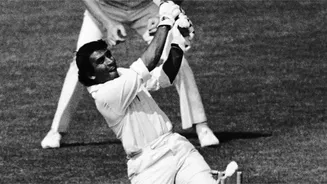
Before 1983, Indian cricket was a landscape of modest ambitions, especially in the one-day format. The team had participated in the previous two World Cups with little to show for it, managing just a single victory against East Africa. In a world dominated
by the mighty West Indies and the established English and Australian sides, India was considered an underdog with little hope of making a significant impact. The country's primary sporting love was still hockey, a game where it had a legacy of global dominance. Cricket was popular in urban centres, but it hadn't yet captured the imagination of the entire nation. The team that travelled to England for the third World Cup did so without fanfare, with some players reportedly just looking forward to enjoying the trip.
The Unthinkable Victory
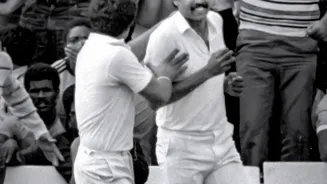
The final against the West Indies, two-time defending champions, was expected to be a formality. After being asked to bat first, India was bundled out for a paltry 183 runs. At that point, many believed the dream was over. But captain Kapil Dev rallied his team, and what followed was one of the most remarkable bowling and fielding displays in cricket history. The turning point came when West Indian superstar Viv Richards, who was batting aggressively, skied a ball from Madan Lal. Kapil Dev, sprinting backwards from mid-wicket, took a spectacular running catch that is now etched in cricketing lore. The dismissal triggered a collapse. The formidable West Indian batting lineup, which had seemed invincible, crumbled under the relentless pressure from India's medium-pacers, eventually being bowled out for 140. India had won by 43 runs, clinching a victory that defied all expectations.
A Nation Awakens
The win at Lord's was far more than a sporting achievement; it was a moment of profound national significance. As the news spread across India, people poured into the streets in celebration. The image of Kapil Dev lifting the Prudential Cup on the Lord's balcony became an enduring symbol of a new, confident India. For a young nation still finding its place on the world stage, this victory provided an immense sense of pride and self-belief. It proved that Indians could not only compete with the best but beat them at their own game. As the West Indian captain Clive Lloyd later admitted, the win gave Indian cricket a level of self-belief that had little parallel and set the stage for its rise as a superpower.
The Dawn of a New Era
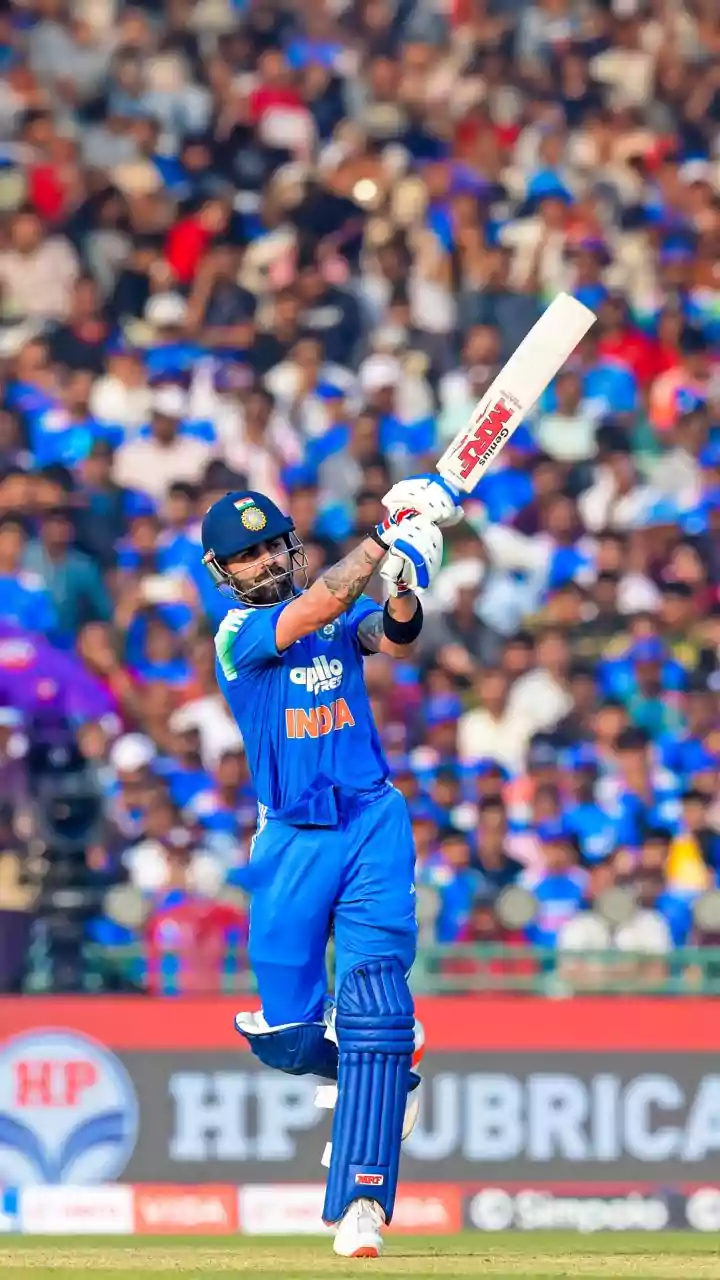
The impact of the 1983 victory was immediate and transformative. It sparked a revolution in Indian cricket, turning it from an amateurish pursuit into a lucrative profession. Corporate sponsors, who had previously shown little interest, now saw the commercial potential of the sport. The Board of Control for Cricket in India (BCCI), once struggling financially, began its journey to becoming the most powerful and wealthiest cricket board in the world. The victory inspired a generation of youngsters, including a young Sachin Tendulkar, to pick up a cricket bat. Coaching academies sprouted across the country, and the game's popularity exploded, laying the foundation for India to become the commercial and spiritual centre of global cricket. The World Cup itself came to the subcontinent for the first time in 1987, a direct consequence of India's newfound influence.