







Walk through any city park at dawn, and you'll see them: groups of people stretching, jogging, or laughing through a yoga session. What makes these fresh-air fitness communities so popular and effective? It's more than just free exercise.
The Allure of the Outdoors
The most apparent
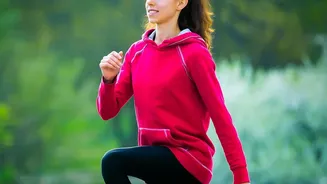
draw is, of course, the setting itself. Exercising outdoors provides a powerful mental and physical boost that an indoor gym cannot replicate. Research shows that 'green exercise'—any physical activity in the presence of nature—can reduce stress, lower blood pressure, restore mental fatigue, and improve mood. The fresh air and natural sunlight help regulate sleep cycles and boost the body's production of Vitamin D. In contrast to the often stuffy, recycled air of a gym, a park offers an invigorating environment that makes exercise feel less like a chore and more like a refreshing start to the day. This sensory experience, from the feeling of grass underfoot to the morning light, enhances energy and makes the workout itself feel less strenuous.
The Power of Community and Connection
In an era of increasing urban isolation, these fitness groups are becoming crucial 'third places'—social environments outside of home and work. They offer a powerful antidote to loneliness by fostering genuine human connection. Psychologically, working out with others leverages a principle called social facilitation, where the presence of others improves individual performance. The shared effort and gentle, friendly competition create a motivating energy that pushes participants to go a little further than they might alone. This sense of community builds accountability; it’s harder to skip a workout when you know your friends are waiting for you. These groups in Indian cities like Chennai, Delhi, and Bangalore are transforming fitness from a solitary pursuit into a shared, conversational experience.
Accessibility and Zero Cost
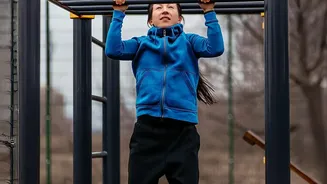
One of the most significant barriers to consistent exercise is cost. Gym memberships, specialised classes, and personal trainers can be prohibitively expensive. Park-based fitness groups eliminate this financial barrier entirely. They are a testament to the fact that you don't need fancy equipment or a monthly subscription to achieve your health goals. Most of these groups focus on running, yoga, or bodyweight exercises like HIIT, which require little more than comfortable clothing and a positive attitude. This accessibility makes fitness available to a much wider demographic, from students to retirees, regardless of their financial situation. This democratic approach to wellness is a core reason for their sustained growth across urban India.
A Judgement-Free, Welcoming Environment
Traditional gyms can be intimidating spaces, especially for beginners. The focus on aesthetics, mirrors, and complex machinery can create a sense of pressure or inadequacy. Parks, by contrast, offer an open, neutral, and less-intense setting. There's a feeling of freedom and a distinct lack of judgment. Many of these community groups are founded on principles of inclusivity, welcoming people of all fitness levels, ages, and backgrounds. Some collectives are even specifically created as safe spaces, such as women-only wellness groups, to encourage beginners to try new activities without feeling self-conscious. This welcoming atmosphere is crucial for longterm adherence, as it allows people to focus on their personal journey in a supportive environment.
The Post_Pandemic Fitness Shift
The COVID_19 pandemic dramatically reshaped how people think about health and public spaces. After long periods of lockdowns and indoor confinement, there was a collective shift toward embracing the outdoors. Many people became wary of enclosed, crowded indoor environments like gyms, viewing outdoor spaces as safer alternatives with better air circulation. This accelerated the pre_existing trend of outdoor exercise. Furthermore, the pandemic highlighted the importance of community and mental well_being, driving people to seek out social connections that were lost during periods of isolation. Community fitness groups in parks perfectly met these new priorities, offering a safe, social, and health_conscious way to reconnect with both nature and neighbours.