




Start with a Quick Triage
Before a storm hits, take a quick walk around your garden, balcony, or terrace to assess your plant situation. Identify which plants are most vulnerable. This includes newly planted saplings, top-heavy plants in small pots, hanging baskets, and those
with delicate stems. Having a clear mental inventory will help you prioritise your efforts when time is short. Check for anything that could become a projectile in high winds, such as empty pots, watering cans, or garden decor. Securing these items is just as important as protecting the plants themselves.
Bring the Vulnerable Indoors
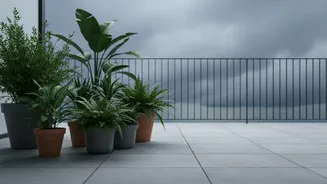
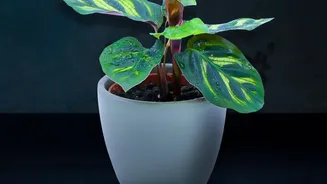
The simplest and most effective way to protect smaller, movable plants is to bring them inside. Any potted plants, especially those in lightweight plastic containers, hanging baskets, and decorative pots on railings, should be moved to a sheltered location like a garage, shed, or indoors. This not only saves the plants but also prevents the pots from becoming dangerous projectiles in high winds. If you can't bring them all inside, group them together in a cluster against a protected wall. This creates a microclimate and provides mutual support.
Secure What Must Stay Outside
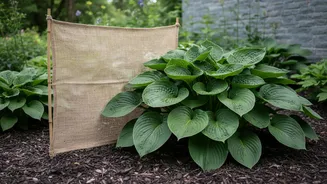
For larger pots or in-ground plants that cannot be moved, the focus shifts to securing them in place. For large potted plants, if they are too heavy to move, you can add weight by placing heavy rocks on the soil surface or even watering them thoroughly to make the pot heavier and more stable. Taller, lankier plants like sunflowers or young trees can be staked for support. Use strong stakes driven firmly into the ground and soft ties (like strips of fabric or nylon twine) to avoid damaging the stem. For shrubs or larger plants, you can wrap them in burlap or a heavy-duty garden fabric, securing it with twine to prevent wind damage.
Guard Against Heavy Rain
Wind is only half the battle; heavy rain can cause waterlogging, which leads to root rot. Ensure all your pots have excellent drainage. If possible, elevate containers on pot feet or bricks to allow excess water to escape freely. For garden beds, especially those in low-lying areas, now is the time to ensure drainage channels are clear. Adding a 3-inch layer of mulch, like wood chips or straw, can be incredibly helpful. It prevents soil erosion from the force of the rain, helps the soil absorb moisture without becoming compacted, and protects plant roots.
Care and Recovery After the Storm
Once the storm has passed, your work isn't quite done. Start by carefully assessing the damage. Remove any broken branches with clean pruning shears to prevent disease. Prop up any plants that have been pushed over and check if roots are exposed, covering them with soil if necessary. If plants were exposed to salty coastal winds, it’s a good idea to gently rinse their leaves with fresh water to prevent salt burn. Avoid the temptation to fertilise immediately; stressed plants can be harmed by excess nutrients. Give them time to recover, ensuring they have the right amount of water as they bounce back.