







The Rise of Grassroots Guides
Forget generic travel books or sponsored blog posts. A new wave of travel planning is taking place in private social media groups, WhatsApp chats, and personal blogs. Experienced female solo travelers are documenting their journeys through Sikkim with
a level of detail that goes far beyond typical tourist advice. They are creating comprehensive, real-time guides built on personal experience and sharing them freely with other women. These aren't just itineraries; they are carefully constructed blueprints for a safe, smooth, and enriching solo journey. This trend represents a powerful shift from relying on traditional travel media to trusting peer-to-peer, community-verified information, especially when it comes to safety and navigation in remote regions.
Why Sikkim Is a Focal Point
Sikkim is consistently ranked as one of the safest states in India, making it a natural magnet for women venturing out on their own for the first time. Its stunning natural beauty, from Yumthang Valley to Gurudongmar Lake, offers adventure and solitude. However, its unique geography and administrative requirements present specific challenges that these guides aim to solve. Navigating the complex permit system for protected areas like North Sikkim and Tsomgo Lake can be daunting. Arranging reliable transportation and finding trusted drivers for long, winding mountain roads is another major hurdle. These grassroots guides address these pain points directly, offering pre-vetted solutions that help travelers bypass the stress and uncertainty of planning a trip in a logistically complex area.
Inside the Ultimate Solo Itinerary
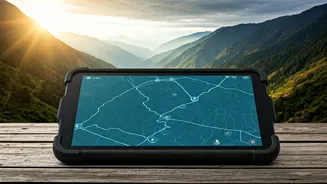
So, what makes these guides different? It's the granularity. A typical guide might suggest visiting a monastery; these guides specify the name of a reliable taxi driver who offers fair prices for the trip. They include contact numbers for female-run homestays, noting which ones have safe locks and are located in well-lit areas. They detail which cafes have clean washrooms, which routes have patchy mobile network, and even which ATMs are most likely to be functional in remote towns like Lachen or Lachung. Many guides are structured as day-by-day documents, often in the form of Google Docs or detailed PDF files, complete with budget breakdowns, packing lists tailored to micro-climates, and tips on acclimatizing to high altitudes. The focus is always on practical, actionable advice that prioritizes a woman's safety and peace of mind.
A Network of Trust and Empowerment
This phenomenon is about more than just logistics; it's a powerful act of community building. In a world where women are often told where they shouldn't go alone, this movement is a proactive response. By sharing information, these travelers are creating an invisible infrastructure of safety and support. The act of sharing a trusted driver's number or recommending a family-run guesthouse is an act of solidarity. It helps demystify solo travel and empowers more women to explore independently and with confidence. The ripple effect is significant: as more women travel solo to Sikkim using these resources, the pool of knowledge grows, making the path easier for the next traveler.
How to Find These Resources
Accessing this wealth of information requires tapping into the right digital communities. The best places to start are female-centric travel groups on Facebook, such as 'Solo Women Travellers' or other similar online forums. Using specific search terms within these groups like "Sikkim solo itinerary," "Sikkim permits," or "safe driver Gangtok" will often unearth detailed posts and links to these guides. Following Indian female travel bloggers and influencers on Instagram who specialize in Himalayan travel is another great strategy. Many share their guides in their bio links or will happily send them to followers who ask. The key is to engage with the community, ask specific questions, and contribute your own findings after your trip to keep the cycle of information flowing.