


1. Inspect Your Tyres for Grip
Your tyres are the only part of your vehicle in contact with the road, making them critical for safety on wet surfaces. Before you leave, conduct a quick visual inspection. Look for adequate tread depth, which is essential for channelling water away and
preventing skidding or hydroplaning. Tyres with worn-out tread significantly reduce your grip on slippery roads. Also, check for correct tyre pressure. Both under-inflated and over-inflated tyres can negatively impact your vehicle's handling and braking efficiency. A simple five-minute check can improve your control and stability throughout your journey. For two-wheeler riders, this check is even more crucial as traction is paramount for maintaining balance.
2. Test Wipers and All Lights
Visibility is one of the biggest challenges during a downpour. Your wipers and lights are your primary tools to see and be seen. Before starting your trip, test your windshield wipers to ensure they clear water effectively without leaving streaks or juddering across the glass. If they are not cleaning properly, the rubber blades may have hardened or cracked and should be replaced. Equally important are your vehicle's lights. Turn on your headlights, tail lights, brake lights, and turn signals to confirm they are all functioning correctly. Clear, bright lights are essential for other drivers to see you, especially in heavy rain or fog.
3. Check Your Brakes
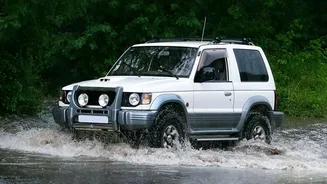
Wet roads mean longer stopping distances, so responsive brakes are non-negotiable. Before you merge into traffic, it's wise to test your brakes at a low speed. They should feel firm and consistent. If you notice any squealing sounds, vibrations, or a spongy feeling when you press the pedal, it could indicate a problem that needs immediate attention. Water can sometimes get into brake components, especially after driving through puddles, which can temporarily reduce their effectiveness. Gently applying the brakes for a few moments after passing through water can help dry them out and restore normal function.
4. Verify Your Battery and Electricals
The increased use of wipers, lights, and defoggers during the monsoon puts extra strain on your vehicle's battery. An old or weak battery is more likely to fail in damp conditions, potentially leaving you stranded. Check the battery terminals for any signs of corrosion and ensure the connections are tight. While a full battery test might require a mechanic, you can watch for signs of weakness, like slow engine cranking. For two-wheeler riders, ensuring all electrical systems are working is just as vital. A sudden electrical failure in the rain can be extremely hazardous.
5. Plan Your Route and Pack an Emergency Kit
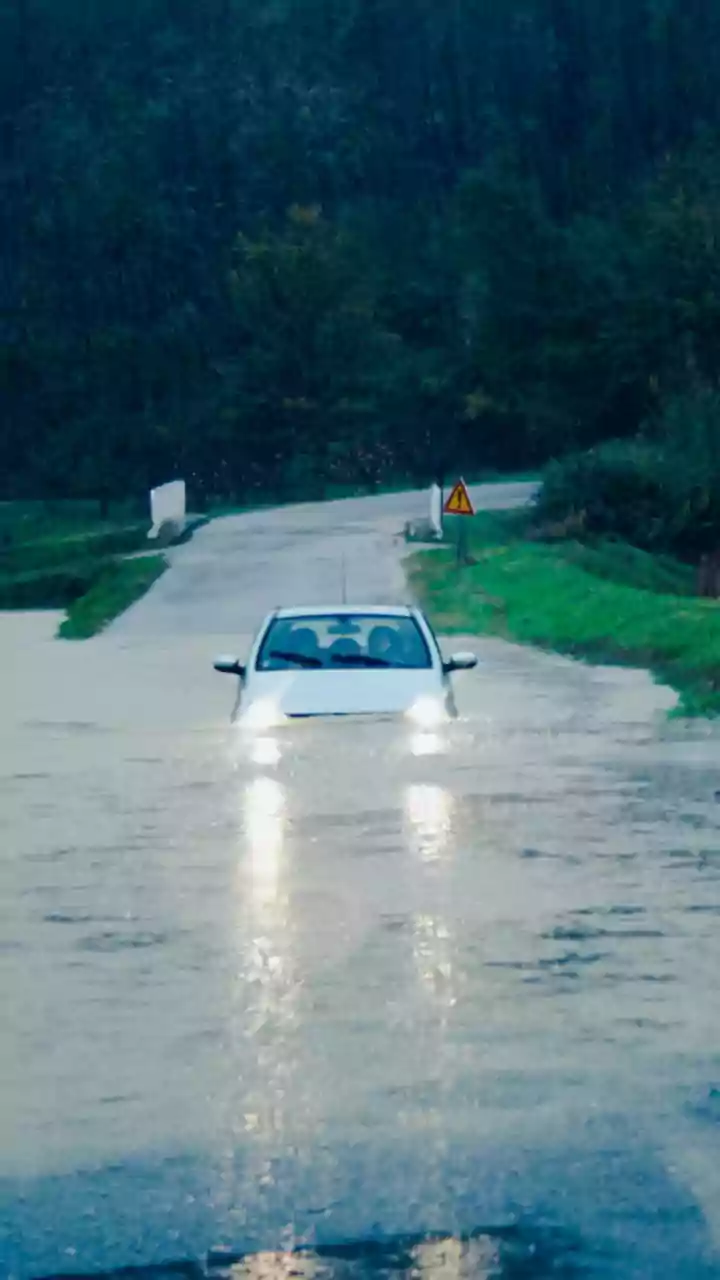
A safe journey starts before you even turn the key. Check your intended route for any known waterlogging spots or traffic diversions, which are common during heavy rainfall. Having an alternative route in mind can save you from getting stuck in a flooded area. It is also wise to prepare a basic monsoon emergency kit. This doesn't need to be elaborate. A torch, a first-aid kit, a fully charged phone or power bank, a tow rope, and a reflective warning triangle can be invaluable if you face a breakdown or an emergency on the road. Being prepared for the unexpected is a key part of a safe rainy season commute.