


The Promise of a Single Breath
Imagine a world where early, non-invasive disease detection is as simple as using a breathalyzer. This is the future being built in labs across India. At recent technology conferences, researchers from institutions like IITs and private startups have
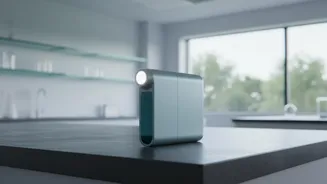
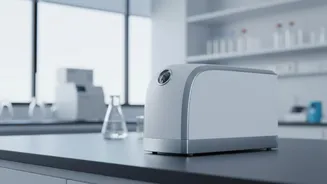
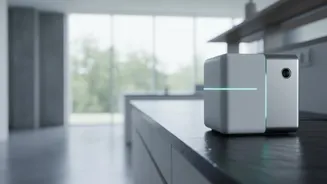
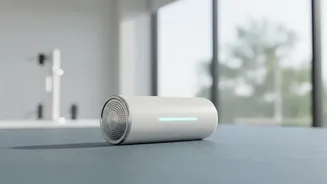
demonstrated devices that promise to do just that. These handheld AI-powered nanosensors analyze the volatile organic compounds (VOCs) in our breath, seeking the unique chemical signatures of diseases. For a country like India, the potential is immense. A low-cost, rapid screening tool could be deployed in remote and resource-strapped areas, identifying conditions like diabetes, tuberculosis, and various cancers minutes, months or even years earlier than traditional methods. With some startups claiming lab-verified accuracy rates upwards of 98%, the technology seems poised to transform public health.
From Lab Bench to Real Life
The journey from a promising lab result to a reliable medical device is fraught with challenges. The controlled environment of a laboratory, with curated data sets and ideal conditions, is very different from the chaotic reality of a rural clinic or a city hospital. A device that works perfectly in the lab can falter when faced with the diversity of real-world patients, diets, and environmental factors. This gap between hype and reality has been seen in other areas of Indian tech. A recent controversy over an AI-generated radiology report at a major Delhi hospital highlighted the risks of deploying tools before they are fully vetted for clinical use. Another incident involving a misrepresentation of a Chinese-made robodog as a domestic innovation served as a reminder of the pressures to project success, sometimes at the expense of transparency. These examples underscore a critical point: for technology that holds lives in the balance, a successful demo is not enough.
The Gold Standard: Real-World Evidence
The solution is not to stifle innovation, but to embrace a more rigorous standard of validation known as Real-World Evidence (RWE). Unlike traditional clinical trials that use carefully selected participants in controlled settings, RWE involves collecting data on how a medical device performs in everyday use, across a wide and diverse population. It means tracking the device's performance, safety, and accuracy over its entire lifetime, not just in a one-off study. This ongoing process of post-market surveillance helps manufacturers and regulators understand how a device truly functions when it meets the complexities of the real world. For a breath sensor, this would mean proving it can distinguish between a curry dinner and a disease marker, and that it works reliably across India's vast genetic and environmental diversity. It's a higher bar, but it's the one that builds lasting trust.
Regulation Begins to Catch Up
Fortunately, regulatory bodies are starting to recognize these challenges. In a significant move, India's Central Drugs Standard Control Organisation (CDSCO) recently moved to classify AI-powered diagnostic software as a medical device. This means these products will now require a manufacturing or import licence before they can be used in clinical settings. This isn't bureaucratic red tape; it's a crucial guardrail. By treating this software with the seriousness of a medical device, regulators are sending a clear message: innovation and patient safety must go hand in hand. This framework will compel developers to provide robust data on their product's safety and efficacy, paving the way for the kind of rigorous, real-world follow-up that is needed.