
Enforcing the Follow-On on a Flat Pitch
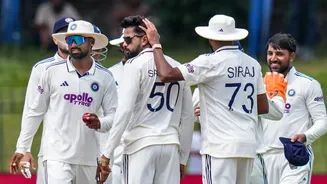
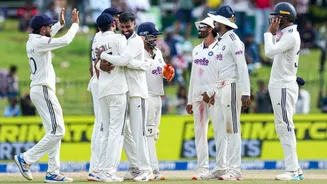
After bundling out Sri Lanka for 290 in reply to their own mammoth 503, captain Shubman Gill's decision to enforce the follow-on seemed aggressive. With a lead of 213, the intent was clear: go for the kill. However, the Colombo pitch showed little sign
of deterioration. Instead of giving the bowlers a rest and batting for a few sessions to tire out the opposition, India sent its own fatigued bowling unit back into the field. This allowed Sri Lanka's batters a chance at redemption on a surface that was not offering much help to the bowlers, turning a position of strength into a long, grinding battle of attrition.
Letting the Lower Order Off the Hook
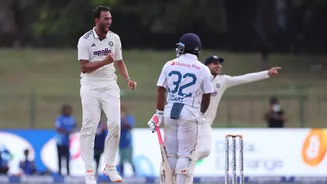
A recurring theme in the match was India's inability to clean up the Sri Lankan tail. This was not just a Day 5 issue; even in the first innings, Sri Lanka's lower order added crucial runs. But the problem was magnified in the second innings, where Sonal Dinusha found steadfast support. The partnership between Dinusha and Keshara Nuwantha, in particular, consumed a significant chunk of time and deflated the Indian attack. India's bowlers seemed to lack a clear plan against the lower order, allowing them to transform a potential collapse into a match-saving stand and shifting the momentum decisively.
Clueless Bowling and Defensive Field-Placing on Day 5
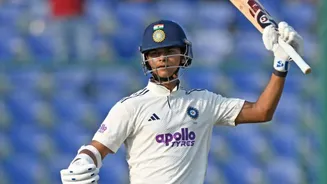
With a draw looming, India's on-field intensity on the final day was questionable. The bowlers struggled to find the right lines and lengths, and the captaincy turned reactive. As Sonal Dinusha grew in confidence, the field spreads became more defensive, allowing for easy singles that released pressure. There was a distinct lack of aggression. Ultimately, with the match slipping away, part-time bowlers like Yashasvi Jaiswal and Shubman Gill were brought on, a clear sign that the team had mentally conceded the draw long before the handshakes.
The Persistent No-Ball Problem
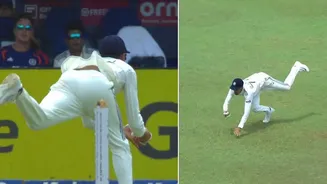
While not the single cause of the draw, India's indiscipline with the front foot was a significant symptom of their frayed focus. Throughout the match, Indian bowlers overstepped at crucial moments. Saransh Jain was a notable offender in the second innings, bowling four no-balls. These extra runs and deliveries not only added to Sri Lanka's total but also broke the rhythm of the bowlers. In a match where every opportunity mattered, these unforced errors were a source of frustration and gave Sri Lanka small but vital reprieves, highlighting a lack of clinical precision when it was needed most.
Failure to Counter Sonal Dinusha's Masterclass
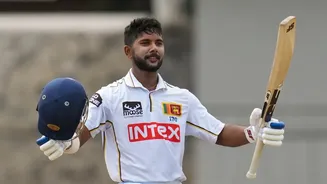
Ultimately, the match was defined by one man: Sonal Dinusha. Following up his first-innings hundred, he produced a marathon unbeaten 133 to save his team. While credit goes to his immense skill and temperament, the Indian team seemed to have no answer for him. They failed to build sustained pressure or try different tactics against him. He was allowed to settle, and once he was set, he anchored the entire Sri Lankan resistance. India's inability to dismiss him, or even create significant chances against him on the final day, was the biggest single factor that turned a potential Indian win into a celebrated Sri Lankan draw.