





As temperatures drop, we seal our homes to stay warm. But in trapping heat, we also trap a host of invisible indoor pollutants. Knowing when to ventilate and when to stay sealed is key to breathing healthier air all winter long.
The Invisible Threat In Your Home
The air inside our homes
can be two to five times more polluted than the air outside. This is because modern homes are built to be energy-efficient, which means they are also more airtight. While this is great for your heating bill, it prevents pollutants from escaping. Common culprits include volatile organic compounds (VOCs) released from cleaning products, paints, new furniture, and even air fresheners. Daily activities also contribute; cooking releases smoke and fine particles, showers add excess moisture that can lead to mould, and even breathing releases carbon dioxide. Other pollutants like dust mites, pet dander, and combustion by-products from gas stoves or fireplaces can also accumulate.
Why Winter Makes It Worse
During winter, several factors combine to degrade indoor air quality. We spend, on average, 90% of our time indoors, meaning our exposure to any trapped pollutants is significantly higher. With windows and doors shut tight against the cold, there's very little natural exchange of stale indoor air for fresh outdoor air. Heating systems, especially unvented or poorly maintained ones like certain space heaters or wood-burning stoves, can release harmful gases like carbon monoxide and nitrogen dioxide directly into your living space. This combination of increased indoor activity and reduced ventilation creates a perfect storm for pollutant concentration, which can lead to everything from headaches and fatigue to more serious respiratory issues.
The Rulebook: When to Open Windows
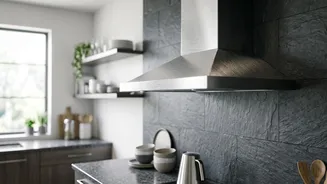
Despite the cold, strategic ventilation is crucial. The goal is a quick, effective air exchange without drastically cooling your home. This is often called 'shock' or 'purge' ventilation. A good rule of thumb is to open windows wide for 5-10 minutes, two to three times a day. The best times to do this are: - Immediately after waking up: Ventilate the bedroom to clear out the carbon dioxide and moisture that has built up overnight. - During and after cooking: Use an exhaust fan, but also open a nearby window to quickly clear out cooking fumes and smoke. - After a shower: Run the bathroom exhaust fan and open a window to vent out steam and prevent mould growth. - When cleaning: If you are using products with strong chemical smells, ventilate the area to disperse the VOCs. Even a few minutes of cross-ventilation—opening windows on opposite sides of the house—can effectively refresh the air.
Know When to Keep Them Shut
Opening your windows is not always the right answer. In many Indian cities, outdoor air quality, especially in winter, can be dangerously poor due to smog and particulate matter. It is essential to check the local Air Quality Index (AQI) before ventilating. Keep your windows firmly closed when: - The outdoor AQI is high: If the AQI is above 100 (in the 'Unhealthy for Sensitive Groups' range or worse), opening windows will let more harmful pollutants in than it lets out. - There are nearby sources of pollution: Avoid ventilating during times of heavy traffic or if you live near industrial areas. - Pollen counts are high: If you have allergies, keep windows closed on high-pollen days to prevent triggers from entering your home. On these days, it’s better to rely on internal methods to clean your air rather than introducing poor-quality air from outside.
Beyond the Window: Other Solutions
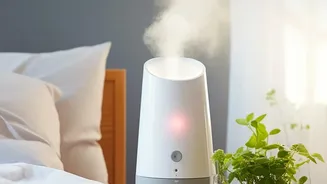
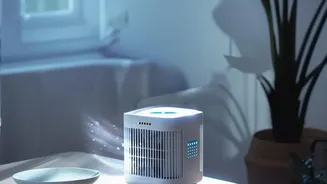
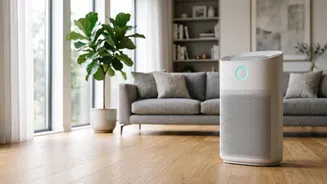
What do you do when you can't open a window? Thankfully, there are several effective strategies. Always use exhaust fans in kitchens and bathrooms to remove pollutants at the source. Investing in a good quality air purifier with a HEPA filter can capture fine particles, dust, pollen, and other allergens circulating in the air. Houseplants can also play a small role in improving air quality. Furthermore, be mindful of the products you bring into your home. Opt for low-VOC paints and cleaning supplies, and ensure any fuel-burning appliances are properly maintained and vented to the outside. A dehumidifier can also help control moisture levels, making the environment less hospitable for mould and dust mites.