







A Shift From Stars to Warnings
For some time, discussions around new food labels focused on a star-rating system known as the Indian Nutrition Rating (INR). This system would have rated foods from half a star to five stars based on their overall nutritional profile. However, the Food
Safety and Standards Authority of India (FSSAI) has since shifted its approach. In late 2026, it presented a new proposal to the Supreme Court for a more direct system: prominent warning labels. This change moves away from a graded health score towards a straightforward alert system, designed to give consumers clear, unambiguous information at a single glance.
Decoding the Red Hexagon
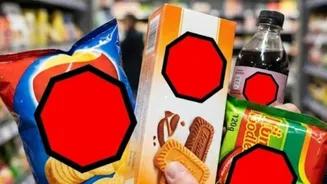
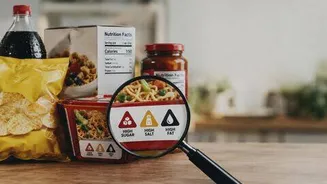
The centerpiece of the new proposal is a distinct warning symbol: a red hexagon placed on the front of the package. Inside this symbol, clear text will identify which nutrient is present in high quantities. You will see labels that read “HIGH SUGAR,” “HIGH SALT,” or “HIGH FAT.” A crucial update to the proposal is that a product will receive a warning label even if only one of these nutrients crosses the prescribed health threshold. This is a stricter approach than an earlier plan that would have required at least two nutrients to be high before a warning was triggered. The goal is to make it impossible for products that are very high in a single unhealthy ingredient to escape notice.
Why This Is Happening Now
This regulatory push is driven by growing public health concerns over non-communicable diseases like obesity and diabetes, which are often linked to diets high in processed foods. For years, consumers have had to find and interpret complex nutritional information on the back of packs. Front-of-Pack Labelling (FOPL) is intended to make this information more accessible. The process has been accelerated by the Supreme Court, which has been hearing a public interest litigation and has questioned delays in implementation, emphasizing the importance of citizen health. FSSAI's proposal for red hexagonal warnings is a direct response to the need for a simple, effective tool to help people make healthier choices.
How to Be a Smarter Shopper
Once these labels appear on shelves, they will become a powerful tool for your daily shopping. Think of them as a quick filter. When you're deciding between two brands of biscuits, breakfast cereals, or instant noodles, a red warning label can immediately flag the one with higher levels of fat, salt, or sugar. This doesn't mean a product with a warning is banned, but it empowers you to make an informed comparison. You can use this information alongside the full ingredient list and nutrition panel to build a healthier grocery cart. The new labels are designed to cut through marketing buzzwords like 'natural' or 'multigrain' and give you a clear, science-backed snapshot of a product's contents.
What Happens Next?
It's important to know that these rules are not yet final. FSSAI has submitted its plan to the Supreme Court, which has reserved its final order on the matter, particularly questioning the proposed timeline for implementation. The regulator has asked for several months to finalize the draft rules, which would be followed by a period for public and stakeholder comments. After that, it has proposed a 365-day voluntary compliance period for food companies to update their packaging. This means it may still be some time before you see these red hexagons universally in stores, but their arrival marks a significant step forward for consumer awareness in India.