







From Dal and Paneer to Protein Bars
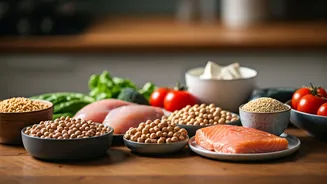
For generations, the Indian diet has had its own reliable sources of protein. A comforting bowl of dal, a serving of paneer, a handful of chickpeas, or a simple glass of milk. These were the pillars of protein intake, woven seamlessly into the fabric
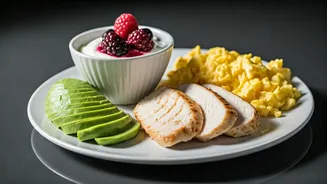
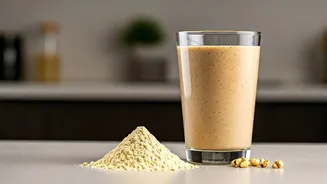
of daily meals. But a quiet revolution has been brewing on supermarket shelves and in online shopping carts. The new protein powerhouses are loud, proud, and packaged for convenience. Protein bars, protein-fortified atta, peanut butter with added whey, and even high-protein ice cream are no longer niche products. They are front and centre, catering to a growing consumer base that is actively seeking to increase its protein intake. This shift marks a move from incidental protein consumption (getting it as part of a balanced meal) to intentional protein consumption, where the macronutrient itself is the hero.
The Forces Driving the Protein Push
So, why the sudden obsession? Several cultural and economic currents are converging. First is the explosion of fitness culture. The rise of gyms, marathon running, and Crossfit has created a generation of Indians who are more attuned to their bodies and nutritional needs. This audience understands that protein is crucial for muscle repair and recovery. Second, urban life has become increasingly hectic. For time-poor professionals juggling long commutes and demanding jobs, convenience is king. A protein bar is a much quicker and easier 'fuel-up' than preparing a traditional meal. This demand for on-the-go nutrition has created a massive market opportunity. Finally, there's the information boom. Social media influencers, nutritionists, and wellness coaches have amplified the message about the benefits of adequate protein—from improved satiety and weight management to better blood sugar control. This has successfully broadened the appeal of protein beyond the gym-going male demographic to include women, older adults, and even children.
Startups and Giants Battle for a Slice
The market has been quick to respond. A wave of new-age, direct-to-consumer (D2C) brands like The Whole Truth, Yoga Bar, and Epigamia have built their entire identity around clean labels and high-protein offerings. They speak the language of the modern, health-conscious consumer, emphasizing transparency and 'no-nasties' ingredients. Their success has not gone unnoticed. Large, established FMCG players are now elbowing their way into the space. Companies like Amul, Britannia, and ITC are either launching their own high-protein variants of existing products—like biscuits or dairy drinks—or acquiring successful startups to gain a foothold. This competition is ultimately good for the consumer, leading to more innovation, better quality, and wider availability across different price points.
Is It All Good News?
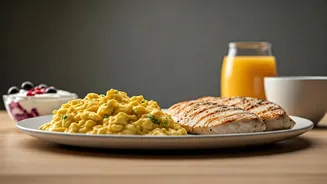
While increased protein awareness is largely positive, especially in a country where protein deficiency is a real concern, it's worth approaching the trend with a discerning eye. Nutrition experts caution against viewing all 'high-protein' products as health halos. A protein bar loaded with sugar and artificial ingredients might not be a better choice than a simple bowl of chana. The key is to read the labels. The goal should be to supplement, not replace, the goodness of whole foods. The real strength of the Indian diet lies in its diversity—the dals, legumes, seeds, and grains that have nourished us for centuries. These new products are best viewed as convenient additions for specific needs, not as a wholesale replacement for a balanced, home-cooked meal.