



From Sightseeing to Story-Seeking
The era of the whirlwind tour, rushing through a checklist of monuments, is fading. Today's Indian traveller, particularly among Millennials and Gen Z, is seeking immersive experiences over passive sightseeing. This shift is driven by a desire for authenticity
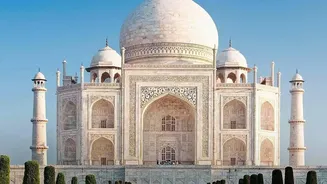
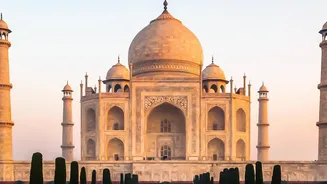
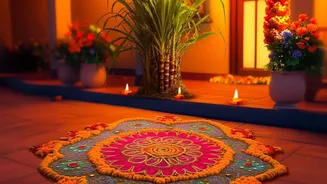
and personal stories. Instead of just seeing the Taj Mahal, they want to learn a local craft from an artisan, share a meal in a village homestay, or understand the history of a place from the people who live there. This search for connection is reshaping tourism into an experience-driven economy where the value lies in participation, not just observation. Reports show that travellers are increasingly planning trips around festivals, wellness retreats, and culinary classes, indicating a move towards travel that enriches their lives and provides them with more than just a photo opportunity.
The Conscious Traveller and Sustainable Choices
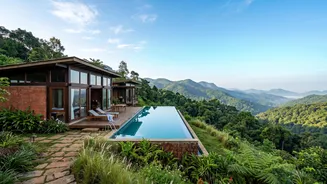
Sustainability is no longer a niche concept; it's a deciding factor for a growing number of Indian tourists. There is a rising awareness of the environmental and social impact of travel, leading to more conscious choices. Travellers are actively seeking out eco-friendly resorts, supporting community-led tourism projects, and preferring destinations that prioritise conservation. This trend is about minimising the carbon footprint by avoiding single-use plastics, conserving water, and respecting local ecosystems. Moreover, concerns about extreme weather events and geopolitical instability are also influencing travel plans, with a significant majority of travellers stating that these factors impact their destination choices, pushing them towards safer and more stable locations.
Spontaneity and the 'Micro-Cation'
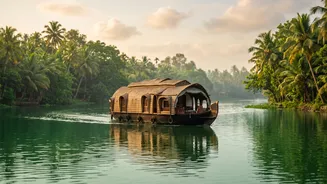
The single, long annual holiday is being replaced by a series of shorter, more frequent getaways. Known as 'micro-cations', these trips are often spontaneous and fit into the flexible lifestyles of younger generations. Instead of planning months in advance, many Gen Z travellers decide on a trip just weeks or even days before, often for journeys lasting less than a week. This has led to a boom in domestic tourism, with many exploring destinations closer to home. Spiritual and cultural hubs like Varanasi and Rishikesh are seeing a spike in interest, as they offer a blend of self-discovery and a quick escape from routine.
The Rise of 'Bleisure' and 'Workcations'
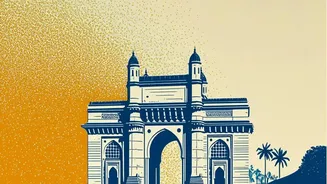
The line between work and leisure has blurred, giving rise to 'bleisure' travel—the practice of extending a business trip for personal vacation. India is reportedly leading this trend in the Asia-Pacific region, with a high percentage of business travellers adding personal days to their work trips. This is fueled by flexible work policies and a desire to maximise travel opportunities. Professionals are using work trips to cities like Bengaluru or Mumbai as a launchpad for short getaways to nearby destinations like Coorg or Alibaug. This has prompted hotels to adapt, offering amenities that cater to both work and relaxation, from high-speed Wi-Fi and co-working spaces to spa services and local tours.
Hyper-Personalisation Through Technology
Technology is playing a crucial role in empowering this new wave of travellers. Artificial intelligence, for instance, is becoming a popular tool for planning highly personalised itineraries. Instead of generic packages, travellers can use AI assistants to create trips based on their specific budget, interests, and travel style, whether they're a solo traveller looking for safety or a family needing kid-friendly activities. This reflects a broader trend away from mass-market tourism and towards unique, individualised journeys. With nearly all young travellers now preferring to plan their own trips rather than opting for pre-made packages, technology is enabling a future where every journey can be as unique as the traveller themselves.