







Beyond Restriction: The Case for Balance
The allure of fad diets often lies in their promise of rapid results through strict rules, such as eliminating entire food groups. However, experts warn this approach is often unsustainable and can be detrimental to your health. Highly restrictive diets can lead
to nutrient deficiencies, fatigue, and an unhealthy relationship with food. Many people who follow these diets end up regaining the weight, sometimes more than they lost, a cycle known as “yo-yo dieting.” A balanced approach, by contrast, focuses on inclusion rather than exclusion. It provides your body with the full spectrum of nutrients it needs to function correctly, preventing the disease, fatigue, and low performance associated with poor nutrition. It’s about creating a sustainable lifestyle, not a short-term fix.
The Power Trio: Understanding Macronutrients
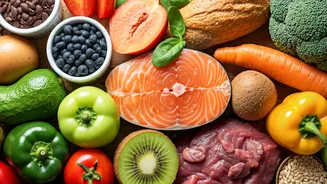
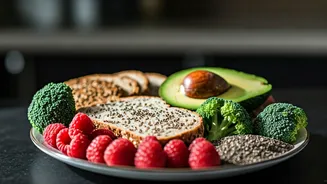
At the heart of a balanced diet are macronutrients, which your body needs in large amounts for energy and essential functions. There are three primary macronutrients: carbohydrates, proteins, and fats. * **Carbohydrates:** The body's main source of fuel, carbs break down into glucose to power your brain and muscles. Focus on whole grains, fruits, and vegetables. * **Proteins:** These are the building blocks for your body, essential for repairing tissues, building muscle, and producing hormones. Good sources include lean meats, fish, eggs, beans, and tofu. * **Fats:** Crucial for hormone production, brain health, and absorbing certain vitamins, healthy fats are a vital part of your diet. Look for them in avocados, nuts, seeds, and olive oil. A general guideline suggests getting 45-65% of calories from carbohydrates, 10-35% from protein, and 20-35% from fat.
The Unsung Heroes: Why Micronutrients Matter
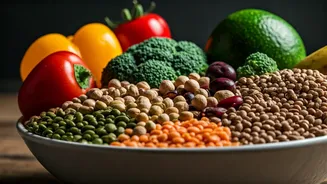
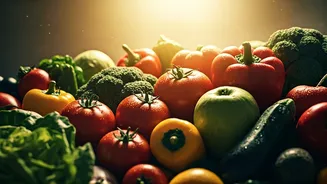
While macronutrients provide the fuel, micronutrients—vitamins and minerals—are essential for countless bodily processes. Your body needs them in smaller quantities, but their impact is enormous, supporting everything from immune defence to cellular repair. A varied diet rich in colourful fruits and vegetables is the best way to ensure you're getting a wide array of these vital compounds. For instance, different coloured vegetables provide different nutrients: leafy greens are packed with certain vitamins, while red and orange ones offer others. Relying on a diverse range of whole foods is far more effective than trying to get these nutrients from supplements alone.
How to Build a Balanced Plate
A simple and effective way to practice balanced eating is the “plate method.” Visualise your plate divided into sections: * **Fill half your plate with fruits and vegetables.** Aim for a variety of colours to maximise nutrient intake. Keep in mind that starchy vegetables like potatoes count toward your grain portion due to their impact on blood sugar. * **Fill one-quarter of your plate with lean protein.** This can include fish, poultry, beans, or tofu. A portion should be roughly the size of your palm. * **Fill the final quarter with whole grains.** Options like brown rice, quinoa, or whole-wheat pasta provide sustained energy and fibre. Don't forget to include a source of healthy fats and to make water your primary beverage. This framework makes it easy to build a healthy meal without obsessive counting.
Embracing Flexibility and Mindful Eating
True balance extends beyond the plate. It also involves your relationship with food. This is where concepts like "intuitive eating" come in, encouraging you to honour your body's hunger and fullness cues. This approach involves rejecting the “diet mentality” and giving yourself unconditional permission to eat, removing the labels of “good” and “bad” foods. It’s about finding satisfaction in your meals and coping with emotions without using food as a primary tool. A balanced lifestyle doesn't mean perfection. It allows for occasional treats without guilt, recognizing that a sustainable plan is one you can follow long-term. By focusing on variety, moderation, and listening to your body, you can build a healthier and more peaceful relationship with food.