



A Landmark Project Gets the Green Light
After years of planning and environmental assessments, the ambitious Kukrail Night Safari and Zoological Park project has received final approval from the Supreme Court of India. Announced in 2022, the project faced scrutiny due to its location within
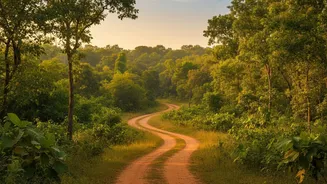
the ecologically sensitive 2,027-hectare Kukrail Reserve Forest. With the court's recent clearance in July 2026, work can now proceed on what is poised to be India's first night safari of its kind, and one of only a handful in the world. The entire project, which includes a night safari and a separate day zoo, is estimated to cost over ₹1,500 crore and will occupy approximately 855 acres within the forest reserve. This landmark development aims to blend wildlife conservation with a world-class tourism experience, positioning Lucknow as a major destination for nature lovers.
Inspired by Singapore, Built for India
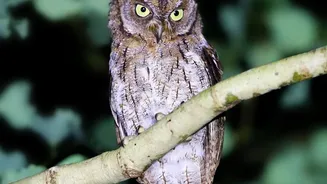
The core concept draws inspiration from Singapore’s famous Mandai Night Safari, which opened in 1994. The goal is to allow visitors to observe nocturnal animals when they are most active. Instead of traditional cages, the park will feature large, naturalistic enclosures and themed zones that mimic different ecosystems, such as an African savanna and Indian wetlands. A key feature will be a specialised lighting system designed to simulate moonlight, enabling clear viewing for visitors without disturbing the animals' natural behaviours. Guests will tour the park on quiet, battery-operated trams during a guided 40-minute ride, offering a safe and unobtrusive way to see wildlife in a recreated nocturnal environment. This approach provides a completely different perspective on animal behaviour compared to a typical daytime zoo visit.
What Animals Can You Expect to See?
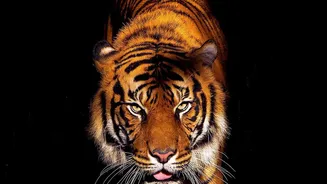
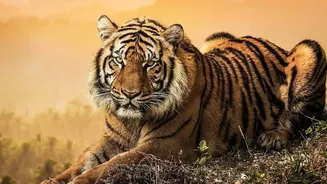
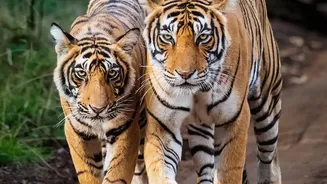
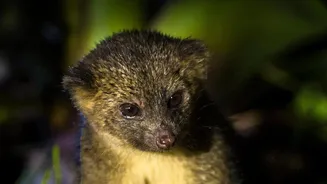
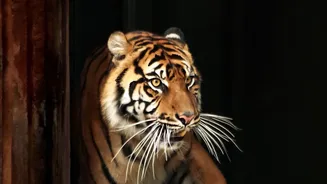
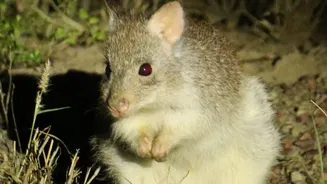
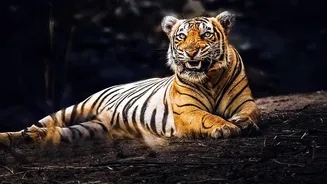
The safari is planned to be a haven for a diverse range of species. The project's master plan includes up to 42 enclosures for the night safari alone, designed to house animals active at dusk and after dark. Visitors can anticipate seeing majestic big cats like Asiatic lions and Bengal tigers, along with leopards, hyenas, and sloth bears. The habitats will also be home to various herbivores and other creatures, including flying squirrels and the gharials for which Kukrail is already famous. Initial plans confirm a wide variety of animals, with as many as 54 species planned for the night safari and a total of 115 species across the entire project, including the day zoo. Phase two may even see the introduction of international species like giraffes and chimpanzees.
More Than Just a Safari
While the night safari is the main attraction, the development is a comprehensive eco-tourism hub. The project is being developed in two phases: the first focusing on the Night Safari and an eco-tourism zone, and the second on establishing a new Day Zoo. Visitor amenities will include an interpretation centre, a 7D theatre, an auditorium, and cafeterias. The plans also feature extensive conservation and breeding facilities, building on Kukrail’s existing legacy. The forest is already home to the Kukrail Gharial Rehabilitation Centre, one of the world's most successful reptile conservation facilities, which will continue its important work alongside the new development. The entire project will be powered by solar energy, emphasising its commitment to sustainability.
Timeline and What's Next
Following the Supreme Court's approval, the project is moving into the construction phase. The first phase, which includes the night safari, is expected to take approximately 24 months to complete. While initial government statements had aimed for a potential opening as early as December 2026, a more realistic target considering construction timelines is for a phased opening during the 2026-27 period. The Central Empowered Committee (CEC) will periodically inspect the site to ensure strict compliance with all environmental conditions laid down by regulatory bodies. One significant change from the original proposal is that the historic Nawab Wajid Ali Shah Zoological Garden (Lucknow Zoo) will not be relocated to Kukrail, following a recommendation from the CEC to preserve its heritage and location within the city. Instead, the Kukrail site will host a brand-new, modern day zoo in addition to the night safari.