



The Spark: A Visually Irresistible Post
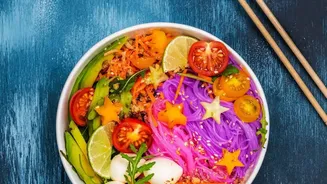
It all begins with an image or a short video. A dish that is colourful, uniquely textured, or presented in a dramatic way is more likely to grab attention. Think of the vibrant hues of the Starbucks Unicorn Frappuccino or the satisfying cheese pull from
a mozzarella stick. This visual appeal triggers curiosity, a powerful psychological drive that makes people want to try something new. Nearly 70% of Millennial and Gen Z diners admit to taking a photo of their food before eating, highlighting how much the “Instagrammability” of a dish matters. A single, well-shot photo has the potential to become an aspirational experience, influencing where people decide to dine next.
Going Viral: Hashtags, Algorithms, and Influencers
Once a post gains initial traction, social media mechanics take over. Hashtags like #watertok or #bakedfetapasta categorize the trend, making it easily discoverable. Platform algorithms, designed to promote engaging content, push these posts to a wider audience, creating a snowball effect. Food influencers play a crucial role in this stage. With their dedicated followers who trust their recommendations, influencers can amplify a trend significantly, creating a buzz that brands alone often can't achieve. A positive review or a creative take on a dish by a popular food blogger can affect the purchasing decisions of thousands, turning a niche food item into a must-try sensation.
From Buzz to Demand: When Customers Start Asking
As a trend saturates social media feeds, online buzz translates into real-world action. Diners, inspired by what they see, start searching for these items locally. For many younger consumers, platforms like Instagram and TikTok have replaced traditional search engines for discovering new food experiences. This creates a powerful form of customer-driven demand. Restaurants begin to hear it directly from their patrons: “Do you have the viral chopped sandwich?” or “When are you getting the Dubai chocolate pancakes?” This feedback loop is essentially a massive, free focus group for restaurants, providing real-time data on what consumers are excited about.
The Restaurant's Decision: To Trend or Not to Trend?
For a restaurant owner or chef, jumping on a trend isn't a simple decision. The potential rewards are significant: attracting new customers, creating a sense of urgency, and generating free publicity. However, there are risks. Does the trend align with the restaurant's brand and existing menu? Can the kitchen staff consistently execute it? Are the necessary ingredients readily available and cost-effective? Some restaurants test the waters by offering a viral dish as a limited-time special before adding it to the permanent menu. This allows them to capitalize on the hype while minimizing risk. Ultimately, the most successful adoptions happen when a trend is adapted to fit the restaurant's unique identity.
The Final Plate: Adapting a Trend for Local Tastes
When a restaurant decides to incorporate a trend, it rarely involves a simple copy-and-paste. The most creative chefs find ways to make it their own. A smash burger taco trend might inspire a new weekly special with a unique house sauce. A viral pasta dish might be reinterpreted using local, seasonal ingredients. This adaptation is key. It shows that the restaurant is innovative and responsive to customer desires, but also confident in its own culinary vision. Chains have become particularly adept at this, with brands like IHOP and Baskin-Robbins launching items directly inspired by viral social media crazes like Dubai chocolate and dot cakes. This final step completes the journey, transforming a fleeting digital moment into a tangible, delicious experience for diners.