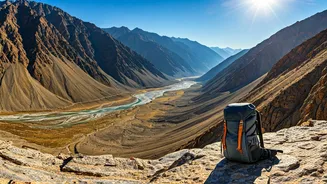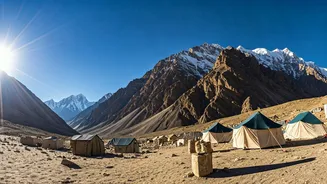




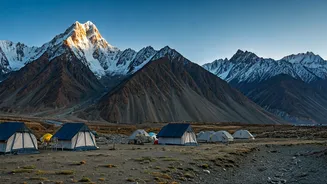




The 'Zero Waste' Mindset
The term 'zero waste' in Spiti isn't just a trendy hashtag; it's a survival strategy. In this high-altitude desert, resources are scarce and waste management is a monumental challenge. Unlike in cities, there is no sophisticated system to whisk away your
plastic bottles and snack wrappers. Everything you leave behind stays, polluting the fragile ecosystem and the water sources for local communities. Adopting a zero-waste mindset here means consciously reducing what you consume and, crucially, packing out everything you pack in. It starts before you even leave home, by choosing products with minimal packaging and preparing to be a self-sufficient, responsible guest in a land that has sustained itself for centuries.
Choose Homestays Over Hotels
The most authentic and sustainable way to experience Spiti is by staying in a local homestay. While Kaza has a growing number of hotels, these often place a strain on local resources like water and electricity. Homestays, on the other hand, are integrated into the community. You live with a family, eat home-cooked meals made from local produce, and contribute directly to their livelihood. This model distributes tourist revenue more equitably and offers you an unparalleled cultural immersion. Organisations like Spiti Ecosphere have helped standardize and promote a network of these homestays, ensuring they offer comfortable, clean, and eco-conscious lodging. By choosing a homestay in a quieter village like Langza, Komic, or Demul, you not only avoid the main tourist hub but also gain a deeper connection to the Spitian way of life.
Pack Smart, Leave No Trace
Your packing list is your first line of defence against creating waste. The single most important item to carry is a reusable water bottle with a filter. You can refill it from streams or at your homestay, eliminating the need for countless plastic bottles. Say a firm 'no' to plastic bags when shopping for souvenirs; carry a cloth tote instead. Bring a small bag to collect all your non-biodegradable waste—biscuit wrappers, chocolate foils, used batteries—and carry it back with you to a city where it can be properly disposed of. Consider eco-friendly toiletries like shampoo bars and bamboo toothbrushes to minimize plastic pollution. This principle of 'pack it in, pack it out' is the golden rule of responsible mountain travel.
Explore Beyond the Obvious
Spiti’s magic isn’t confined to Key Monastery or the main market in Kaza. To truly escape the crowds, embrace slow travel. Instead of rushing to tick off a checklist of sights, pick a village and spend a few days there. Hike to a lesser-known monastery, sit with the monks, or simply watch the clouds drift over the mountains. The high-altitude villages of Kibber, Hikkim (home to the world's highest post office), and the stunningly beautiful Dhankar village and monastery offer breathtaking views and a much quieter experience. Renting a local taxi or, for the more adventurous, a bicycle, allows you to explore the valley at your own pace, discovering hidden gems far from the beaten path.
Engage Respectfully With Culture
Remember that you are a visitor in someone's home. Spiti is a predominantly Buddhist region with a unique and deeply conservative culture. Dress modestly, especially when visiting monasteries. Always ask for permission before taking photographs of people or their homes. A simple 'Julley' (a greeting for 'hello', 'goodbye', and 'thank you') goes a long way in building rapport. Avoid public displays of affection and be mindful of your volume. By showing respect for local customs and traditions, you move beyond being a mere tourist and become a welcome guest, fostering positive interactions that enrich your journey and respect the local community.