



Why You Must Plan Your Winter Trip Now
The secret to a successful winter rail trip lies in understanding the Indian Railways booking system. For most general quota tickets, the Advance Reservation Period (ARP) is 60 days. This means you can book your seats up to two months before your travel
date, excluding the day of the journey itself. Booking for these popular routes typically opens at 8:00 AM IST. For peak winter travel in late December and January, this means you need to be booking your tickets in late October and November. Waiting until the chill sets in is often too late, as the most sought-after trains to snowy destinations sell out within minutes of the booking window opening. Planning now, when winter feels distant, is the only way to secure confirmed berths on these memory-making journeys.
Choosing Your Snowy Rail Adventure
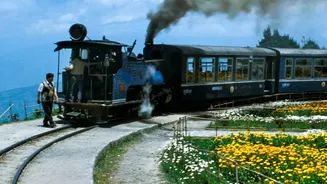
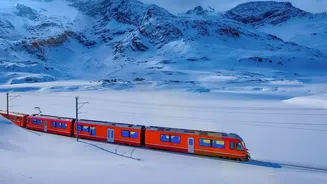
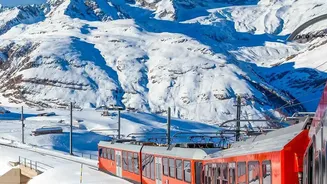
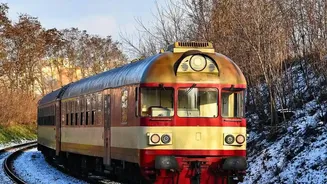
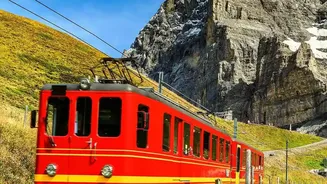
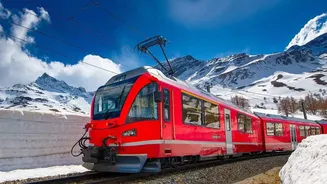
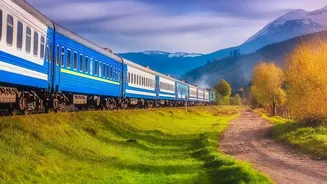
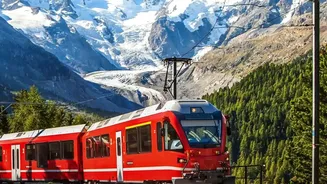
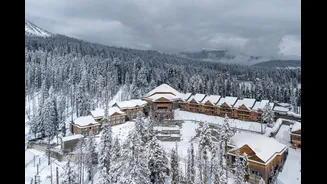
India offers several iconic train journeys that transform into winter wonderlands. The most famous is the Kalka-Shimla Railway, a UNESCO World Heritage site. This narrow-gauge 'toy train' climbs through over 100 tunnels and across 800 bridges, offering breathtaking views of the Himalayas, especially when draped in snow. Another classic is the Darjeeling Himalayan Railway, which chugs through misty tea gardens with the majestic Kanchenjunga in the background. For a truly dramatic landscape, the train journey in Kashmir from Jammu towards Udhampur, Srinagar, and Baramulla offers unparalleled views of a valley covered in a thick blanket of white. Though Gulmarg doesn't have a direct station, this route is the gateway to its pristine snowscapes.
The Booking Blueprint: Securing Your Seat
Booking your tickets requires a bit of strategy. First, identify your exact travel dates and the corresponding booking opening date, which is 60 days prior. Set a calendar reminder for 8:00 AM IST on that day. Ensure your IRCTC account is active and, if possible, Aadhaar-verified, as this can be a requirement during the initial rush hour on booking day. Have your passenger details, including names and ages, saved in your account for a faster checkout process. If the train shows a waiting list moments after opening, don't lose hope entirely, but relying on last-minute options like the Tatkal quota is a risky strategy for a planned holiday, as seats are limited and sell out almost instantly. Advance booking is your best and most reliable path.
Packing for a Himalayan Winter
Packing correctly is crucial for enjoying the cold. The key is layering, not just wearing one bulky jacket. Start with a thermal base layer to retain body heat. Add a mid-layer like a fleece or a light down jacket for insulation. Finally, top it with a waterproof and windproof outer shell to protect you from snow and chilly winds. Jeans are a poor choice as they get wet and cold easily; opt for water-resistant trousers instead. Don't forget the accessories that make all the difference: insulated, waterproof boots, multiple pairs of warm woollen socks, a cap that covers your ears, a neck gaiter or scarf, and gloves. Sunscreen and lip balm are also essential, as the sun reflecting off the snow can be intense.
On-Board Comfort and Preparedness
The journey is as important as the destination. While long-distance trains have pantry cars, carrying your own snacks and a thermos of a hot beverage like tea or coffee can add immense comfort during the ride. Winter train journeys in the mountains can sometimes face delays due to fog or heavy snowfall, so it’s wise to have some extra food and a power bank for your phone. Keep your warm layers accessible in your daypack rather than packed away in your main luggage. A window seat is a must for these scenic routes, so be sure to select one during booking to fully immerse yourself in the spectacular, snowy panoramas passing by.