





The Living Room vs. The Big Screen
The rise of high-quality streaming services has fundamentally changed how we consume movies. With platforms like Netflix, Amazon Prime, and Disney+ Hotstar offering vast libraries for a monthly fee often less than the cost of a single family outing to
the cinema, the home has become the default screen for many. A comfortable couch, affordable snacks, and the ability to pause at will present a compelling alternative. This convenience has led to a behavioural shift: audiences are happy to wait for dramas, comedies, and mid-budget films to land on OTT platforms, often just weeks after their theatrical release. The cinema is no longer the primary place to watch any film; it has become a premium destination for a specific kind of film.
The 'Paisa Vasool' Calculation
For the Indian moviegoer, every ticket purchase involves a cost-benefit analysis. A trip to a multiplex isn't just the ticket price, which can range from ₹250 to over ₹800 in major cities. It includes travel, parking, and notoriously expensive popcorn and drinks, which can easily double the cost. When a family of four can spend thousands of rupees on a single outing, the film must deliver an experience that feels justified. Spectacle films, with their massive sets, groundbreaking visual effects, and immersive sound design, offer a clear value proposition. They provide a sensory experience that even the best home theatre setup cannot replicate, making the expense feel like a worthwhile investment in a memorable event.
Technology as the Main Attraction
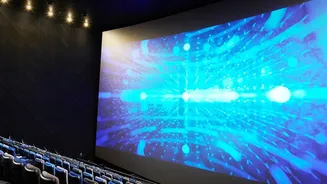
To compete with the convenience of streaming, multiplexes have leaned into their technological advantages. Premium formats like IMAX, 4DX, and Dolby Atmos are no longer niche offerings but key selling points. These technologies create an immersive experience that is central to the appeal of modern blockbusters, from the earth-shaking sound of an explosion to the breathtaking clarity of a fantasy landscape. Pan-Indian blockbusters like 'RRR' and 'KGF' or Hollywood juggernauts are marketed not just on their stars and stories, but on the premise that they must be seen on the biggest screen with the best sound. This turns the technology itself into a co-star, making the theatrical experience fundamentally different from watching at home.
The Making of a Cultural Event
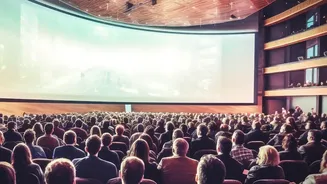
Spectacle movies are not just films; they are marketed as cultural events. Through relentless promotional campaigns, they are positioned as unmissable moments that everyone will be talking about. The 'Pan-Indian' film model, which involves casting stars from different regions to appeal to a nationwide audience, has amplified this effect. These movies create a sense of collective participation, where being part of the opening weekend audience is a shared social experience. This event-driven approach creates urgency, convincing audiences that waiting for the streaming release means missing out on being part of a larger cultural conversation.
A Bifurcated Future for Film
This trend does not spell doom for all non-spectacle films. In fact, many mid-budget, content-driven movies have found surprising success at the box office, proving that a compelling story can still draw crowds. However, the pressure is immense. Smaller films without the marketing muscle of a blockbuster must rely on strong word-of-mouth to survive in theatres. For many others, streaming has become a lifeline, offering a platform to find an audience without the high stakes of theatrical distribution. This has led to a bifurcation of the industry: the multiplex becomes the home of the mega-event, while streaming platforms become the primary venue for a wider variety of narrative-focused cinema.