






As India’s festive season sparks another e-commerce boom, the secret to getting packages delivered faster isn't just in the metros. A strategic shift is underway, with companies tapping into the workforce of Tier-2 cities to win the race.
The Great Migration of Jobs
For years, the
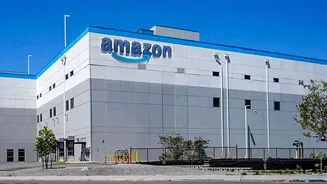
narrative of India's job market was simple: for big opportunities, you went to the big cities. But the script is flipping. This festive season, a significant portion of the estimated 2.5 lakh temporary jobs created by e-commerce and logistics firms are flowing into Tier-2 and Tier-3 cities. Reports indicate that while hiring in metros is growing modestly, job growth in Tier-2 cities like Jaipur, Lucknow, Indore, and Coimbatore is surging by over 11%. These non-metro regions are expected to account for nearly 45% of the seasonal workforce demand, a clear sign that companies are decentralizing their operations. Major players like Amazon and Flipkart are investing heavily in this strategy, opening dozens of new fulfilment centers, sorting stations, and last-mile delivery hubs far from the traditional epicenters of Mumbai and Delhi.
Why Tier-2 Makes Business Sense
The move to smaller cities is not a coincidence; it's a calculated business strategy driven by several key factors. First, the consumer base in these regions is exploding. With rising internet penetration and disposable incomes, a huge share of new online shoppers now comes from non-metro areas. Second, operational costs are significantly lower. Everything from real estate for warehouses to local salaries is more cost-effective than in oversaturated Tier-1 cities, allowing companies to scale operations more efficiently. Finally, these cities offer a large, available talent pool. Many skilled individuals prefer to work closer to their hometowns, and companies are tapping into this desire to build a motivated, local workforce, reducing the high attrition rates often seen in major urban centers.
Solving the Last-Mile Puzzle
The 'last mile' of delivery—the final step from a local hub to a customer's doorstep—is the most expensive and complex part of the logistics chain. Placing fulfillment centers and delivery stations directly within or near Tier-2 cities fundamentally changes this equation. Instead of shipping a single package from a distant metro warehouse, companies can send goods in bulk to a regional hub. From there, a local team takes over. This proximity dramatically cuts down on transit time and fuel costs. Fulfilling an order from a regional hub can shrink delivery times from several days to under 24 hours. This decentralised 'hub-and-spoke' model is crucial for meeting customer expectations for speed, whether in a sprawling metro or a smaller town. This localised hiring ensures that delivery personnel have intimate knowledge of local routes and addresses, further boosting efficiency and reducing delivery failures.
A Boost for Regional Economies
This trend is a significant economic driver for Tier-2 cities. The influx of seasonal jobs, particularly in logistics, warehousing, and customer service, provides a vital source of income and employment for the local population. For many, including first-time job seekers, it offers an accessible entry point into the formal workforce. These roles are no longer just about manual labour; they increasingly involve digital skills, such as using handheld scanners, navigating with GPS-based apps, and managing digital payments. This exposure helps in upskilling the local talent pool. While the pay in non_metro areas can still be 25–30% lower than in big cities, the gap is narrowing as companies compete for reliable talent. Furthermore, this trend often leads to longer–term opportunities, with many companies retaining a percentage of their seasonal hires for permanent roles.
Challenges on the Road Ahead
Despite the clear benefits, the expansion into Tier–2 and Tier–3 cities is not without its hurdles. Companies often face challenges related to infrastructure, such as inconsistent road quality and connectivity issues in more remote areas. Finding talent with specific technical or managerial skills can also be more difficult than in metros, sometimes requiring companies to invest in significant training programs. There is also the challenge of retaining talent, as some employees may still aspire to move to larger cities for career growth. However, as companies build more robust local ecosystems and offer clearer paths for advancement, the appeal of staying and working in these rapidly developing cities is growing stronger.