




Understanding the 2026 Wait Times
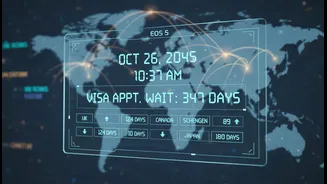
The first step in smart planning is setting realistic expectations. As of mid-2026, wait times for a first-time B1/B2 visitor visa interview remain significant across India. Applicants in cities like Mumbai and Hyderabad may face waits of around nine
months, while New Delhi is closer to seven. Chennai and Kolkata often have comparatively shorter queues, at approximately five and four months, respectively. While these figures, which are regularly updated by the U.S. Department of State, can be disheartening, they represent a marked improvement from the 800-day backlogs seen in previous years. This lengthy timeline is primarily driven by immense applicant volume and the residual effects of past disruptions. Therefore, the cardinal rule for 2026 is to start the process many months before your intended travel date.
Your First Step: The DS-160 Form
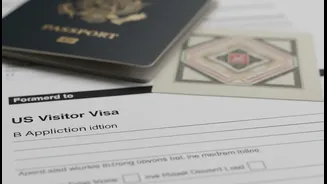
Before you can even think about booking a slot, your journey begins with the DS-160, the online non-immigrant visa application. This is the foundation of your entire application, and accuracy is paramount. Any inconsistencies or errors can lead to significant delays. Before you begin, gather all necessary documents: your current and any previous passports, a detailed travel itinerary if you have one, your employment and education history, and the U.S. address where you plan to stay. The form also requires you to list social media handles you have used in the last five years. The online form takes about 90 minutes to complete and is notorious for timing out, so save your progress after each page. Once you submit it, you will receive a confirmation page with a barcode—this is the key you need to move forward.
Navigating the Official Booking Portal
The only legitimate website for scheduling US visa appointments in India is usvisascheduling.com. Be wary of any other site claiming to offer booking services. After creating a profile and paying the non-refundable Machine Readable Visa (MRV) fee, you can begin the hunt for an appointment. The system requires you to book two separate appointments: first, a visit to a Visa Application Center (VAC) for biometrics (fingerprints and photo), and second, the actual consular interview at the Embassy or Consulate. Your VAC appointment must be at least one day before your visa interview. The fee payment is typically active for one year, giving you a window to find a suitable slot.
Strategies for Finding an Elusive Slot
Given the high demand, finding an open appointment can be the most frustrating part of the process. The key is persistence and flexibility. New appointment slots are released regularly as consulates adjust their capacity and as other applicants cancel or reschedule. It is highly recommended to check the portal frequently, often during early morning or late-night hours in India, when system traffic may be lower. If your travel plans are flexible, consider looking for appointments at consulates with shorter wait times, like Kolkata or Chennai. The standard advice is to book the first available appointment you find, even if it is several months away. This secures your place in the queue, and you can continue to check the portal for earlier openings that may appear.
A Note on Interview Waivers or 'Dropbox'
The Interview Waiver Program, commonly known as 'Dropbox', allows eligible applicants to renew their visas without an in-person interview. However, the eligibility criteria have become significantly stricter. As of 2026, the program primarily benefits those renewing B1/B2 visas where the previous visa is still valid or expired within the last 12 months. The pandemic-era rule that allowed a 48-month expiry window has been discontinued. Other requirements include being in the same visa category and having received the previous visa after a certain age. Most other visa categories, including many work and student visas, were removed from broad eligibility in late 2025, meaning most first-time applicants and many renewing in other categories must prepare for an interview.
Warning: How to Spot and Avoid Visa Scams
Where there is high demand, there are unfortunately scams. The U.S. Embassy in India has issued multiple warnings about fraudsters who prey on anxious applicants. Be immediately suspicious of any agent or consultant who promises a guaranteed visa, claims to have 'insider access' to earlier appointments, or asks for fees beyond the official MRV fee. These are major red flags. The only way to secure a visa is through the official process. Furthermore, providing false information or fraudulent documents on your application, often at the suggestion of a dishonest agent, is considered visa fraud and can result in a permanent, lifetime ban from entering the United States.