






More Than Just a Number
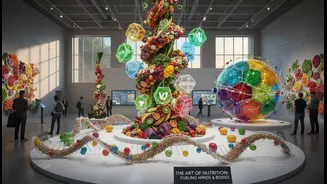
At Science Gallery Bengaluru, a year-long exhibition season titled 'Calorie' is redefining our understanding of food. Running until July 2026, this is not a clinical breakdown of diet charts. Instead, it’s a vibrant, thought-provoking exploration of our entire
food ecosystem. Using art installations, films, and workshops, 'Calorie' delves into the complex web of agriculture, politics, history, and culture that shapes every meal we eat. The goal isn't to judge your food choices but to arm you with the knowledge to make more informed ones. It poses big questions: Who grows your food? How does it get to you? And what systems are you supporting with your purchases? The exhibition urges visitors to look beyond the simple calorie count and interrogate the journey of their food from farm to plate.
Where Art Meets the Supermarket
The power of the 'Calorie' exhibition lies in its ability to make abstract concepts tangible. One interactive display tackles distracted eating by projecting grains onto a screen only when you look down, away from digital distractions, encouraging mindfulness during meals. Another powerful installation, 'Ragi.net', features ragi seedlings sprouting from a bed of discarded e-waste, a stark commentary on how Bengaluru's tech boom has consumed agricultural land. There are also displays showcasing dozens of indigenous rice varieties, highlighting the vast biodiversity we often miss in mainstream stores. These artistic encounters are designed to stick with you, reframing everyday items like a bag of rice or a food delivery app into subjects of deeper consideration. Even a classic video game is reimagined to include challenges of scarcity and climate change, connecting play with planetary health.
From Exhibit to Shopping Trolley
So, how does an art exhibit translate to your next grocery run? It starts with curiosity. Inspired by the exhibition’s focus on food origins, you can begin to make more conscious choices. For instance, the next time you buy vegetables, look for local or seasonal options. They are often fresher and have a smaller carbon footprint. The display of diverse grains is a prompt to explore beyond polished white rice; consider adding millets, black rice, or red rice to your pantry for greater nutritional variety. The exhibit 'Mapping Mapusa Market' celebrates the vibrancy of traditional markets. This is a great reminder to explore your local neighbourhood Kirana stores and farmers' markets, where you can often find unique produce and build a connection with the people who sell your food.
Reading Labels with New Eyes
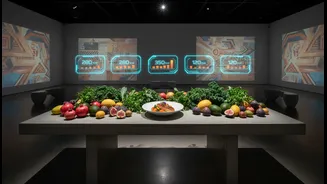
The critical thinking fostered by 'Calorie' is perfectly applied to the confusing world of food labels. Empowered by the exhibit's ethos, you can move beyond the bold-print calorie number. First, check the serving size. A packet of chips might seem low in calories until you realise the numbers apply to just a handful. Next, scan the ingredients list. Are the first few ingredients whole foods you recognise, or a series of sugars, refined flours, and complex chemicals? The exhibition features an AI-powered 'food council' where ingredients discuss issues like biodiversity and ultra-processing, a creative nudge to consider the quality of what you're consuming. Finally, look at the balance of protein, fibre, and healthy fats, which contribute more to satiety and sustained energy than empty calories do. This deeper reading turns a routine task into an act of empowerment.
The Future on Your Plate
The exhibition doesn't shy away from provocative ideas about the future of food. It features displays on edible insects, dehydrated food waste, and even the practice of eating clay, found in some communities. While silkworm manchurian might not be on your immediate shopping list, these exhibits serve a crucial purpose: they broaden our perspective and challenge our assumptions about what constitutes 'food'. They highlight sustainability and resourcefulness in the face of growing population and climate challenges. This forward-thinking approach encourages us to be more open-minded, less wasteful, and more engaged with the global conversation around creating a food future that is just, sustainable, and flavourful for everyone.