




A Taste of Summer Nostalgia
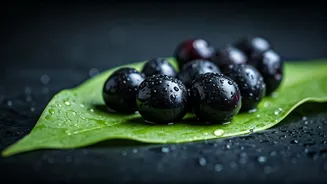
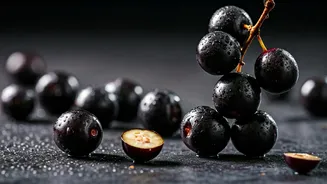
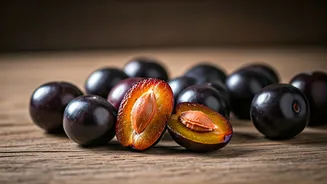
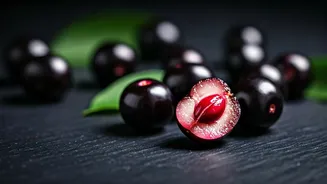
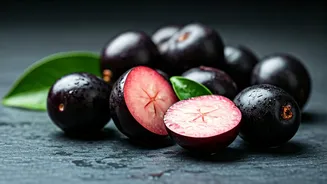
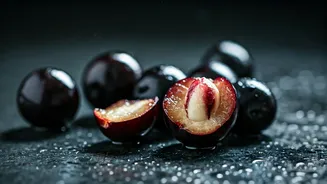
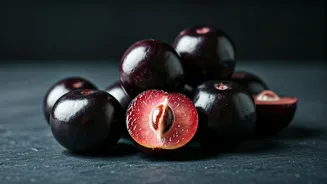
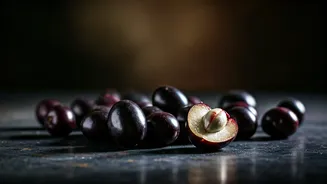
For generations of Indians, the arrival of Jamun, also known as black plum, Java plum, or by its scientific name Syzygium cumini, has been a cherished seasonal ritual. Sold by street vendors in paper cones, often sprinkled with a pinch of black salt to
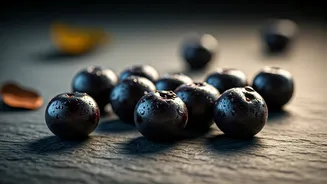
perfectly balance its flavours, this small, oblong fruit is more than just a snack—it’s a vessel of memories. It’s the taste of school holidays, of climbing trees with friends, and of the simple, unhurried joys of the Indian summer and early monsoon. The deep, almost-black purple hue promises a burst of flavour that is uniquely its own, a complex profile that no other fruit can quite replicate. Its return each year is a welcome, familiar event, connecting us to the seasons and to our own past.
Why 'Superfruit' Is Not an Exaggeration
While our grandparents enjoyed Jamun for its taste, modern science is now validating what traditional wisdom has known for centuries. The term 'superfruit' isn't just a marketing buzzword here; Jamun has earned the title. Its deep purple colour comes from anthocyanins, powerful antioxidants that fight free radicals in the body, which can help reduce inflammation and protect against chronic diseases. Beyond antioxidants, Jamun is a low-calorie fruit packed with essential nutrients. It's a good source of Vitamin C, iron, potassium, and magnesium. The iron content makes it particularly beneficial for boosting haemoglobin levels. This dense nutritional profile is what elevates it from a simple seasonal treat to a powerhouse of wellness.
An Ayurvedic Powerhouse
Long before it was labelled a superfruit, Jamun held a place of honour in Ayurveda. Traditional Indian medicine has utilised nearly every part of the Jamun tree—the fruit, the seeds, the bark, and the leaves—for various therapeutic purposes. The fruit and its seeds are most famously known for their properties in managing blood sugar levels. Compounds like jamboline and jambosine are believed to slow down the rate at which sugar is released into the bloodstream and increase insulin availability. This has made Jamun, particularly its dried seed powder (Jamun guthli), a popular natural supplement for those managing diabetes. It's also traditionally used as a digestive aid, helping to relieve stomach issues, and its astringent properties make it beneficial for skin and gum health.
From Street Carts to Gourmet Kitchens
The appeal of Jamun is no longer confined to the fruit stand. As interest in native, seasonal ingredients grows, chefs and home cooks are rediscovering its incredible versatility. The fruit’s stunning colour and unique flavour profile make it a fantastic ingredient in the modern kitchen. You can now find Jamun making a star appearance in gourmet desserts like cheesecakes, panna cottas, and sorbets. Its juice is used to create refreshing coolers, vibrant cocktails, and healthy smoothies. Many people are turning batches of the fruit into artisanal jams, tangy chutneys, or even a homegrown version of 'khatta-meetha' candy. A simple Jamun-infused water, with a sprig of mint, is a chic and healthy way to stay hydrated. This culinary renaissance is introducing the beloved fruit to a new generation in exciting new forms.
How to Pick and Enjoy the Best
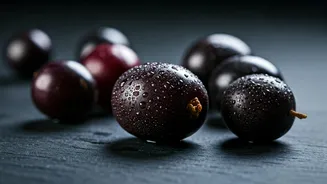
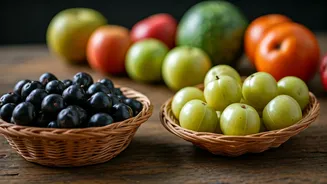
To make the most of Jamun season, a little know-how goes a long way. When buying, look for fruits that are plump, firm, and have a deep, dark purple or almost black skin. Avoid ones that are bruised, mushy, or have pale patches, as they will likely be overly sour or have gone bad. Once you get them home, wash them thoroughly and store them in the refrigerator, but try to consume them within a day or two for the best flavour and texture. The classic way to enjoy them is, of course, raw with a sprinkle of rock salt or chaat masala. But don't hesitate to experiment. Try blending them into a raita for a surprising twist, or simply de-seed and freeze them for a healthy, icy treat on a hot afternoon.