




The Ultimate Rebound Destination
For American travelers, particularly younger groups, value is a huge part of the equation. After a crippling economic crisis in 2022, Sri Lanka's currency devaluation made it an incredibly affordable destination. A delicious meal of rice and curry can cost
a few dollars, a tuk-tuk ride across town is pocket change, and a week-long surf camp package—including accommodation, lessons, and board rentals—often comes in at a price that would barely cover two nights in a mid-range U.S. hotel. This affordability arrived just as the country stabilized and the world reopened post-pandemic. Travelers, weary of the well-trodden paths of Southeast Asia, began looking for something new. Sri Lanka, with its promise of adventure without the hefty price tag of Bali or Costa Rica, was perfectly positioned. The result is a tourism boom that feels both vital for the local economy and exciting for visitors who feel they're getting in on the ground floor of the world's 'next big thing.'
A Surfer’s Paradise for Everyone
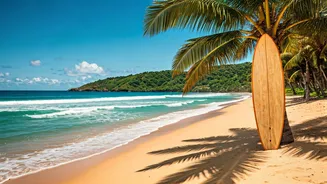
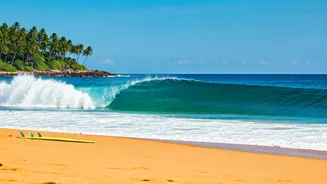
You don't need to be a pro to surf in Sri Lanka—and that's precisely the point. The southern coast, centered around towns like Weligama, Ahangama, and Hiriketiya, is blessed with a series of gentle, sandy-bottomed beach breaks. This makes it an ideal classroom for the thousands of beginners and intermediates who form the backbone of the surf camp industry. Weligama Bay is a sprawling, forgiving expanse where dozens of instructors can be seen pushing first-timers into their first waves. A short ride away, Ahangama offers a mix of beginner spots and more challenging reef breaks for those looking to level up. Unlike the intimidating, powerful waves of Hawaii's North Shore or Tahiti, Sri Lanka's surf scene is built on accessibility and progression. The vibe isn't about aggressive competition; it's about shared stoke, sunset sessions, and the simple joy of being in the water.
The Rise of the Surf-and-Work Hub
Walk down the main road in Ahangama and you'll see the blueprint of modern travel. Trendy cafes serving flat whites and smoothie bowls sit next to traditional Sri Lankan 'short eats' stalls. Co-working spaces with high-speed internet are popping up between surf shops and yoga shalas. This is the heart of the trend: the convergence of surfing, wellness, and remote work. Younger travelers are no longer content with a simple one-week vacation. They're booking for a month, or three. They spend their mornings surfing, their afternoons working on laptops, and their evenings socializing with a global community of like-minded people. These aren't just surf camps; they're temporary homes and communities. This digital nomad-friendly ecosystem is a powerful magnet, creating a self-sustaining scene where people come for the waves but stay for the lifestyle and the connections they make.
Beyond the Surfboard
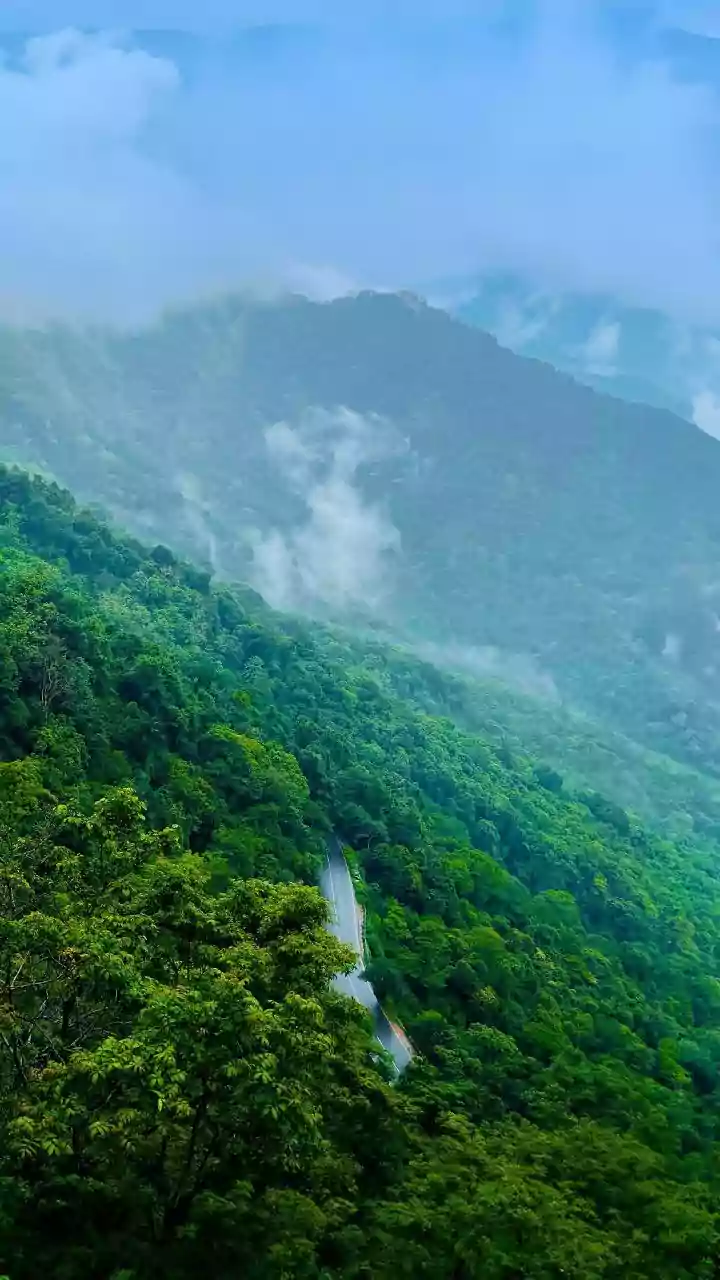
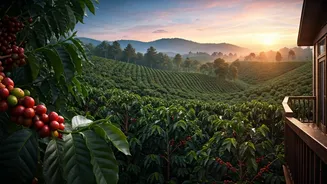
While surfing is the main draw, Sri Lanka's appeal is much broader. The same camps that offer daily surf lessons also provide yoga classes, meditation sessions, and wholesome, healthy food. The country's rich Buddhist culture provides a backdrop of mindfulness and tranquility that pairs perfectly with the wellness-focused travel trend. Moreover, the island is remarkably compact and diverse. A few hours inland from the coast, you can go on a safari in Yala or Udawalawe National Parks to see elephants and leopards. You can hike in the lush, green tea plantations of the Hill Country or explore ancient temples and fortresses. This variety allows visitors to have multiple vacations in one, combining a beach holiday with cultural exploration and wildlife adventure, further cementing Sri Lanka's status as a must-visit destination.