






More Than Just a Morning Walk
The humble morning walk, long a solitary pursuit for many Indians, is undergoing a transformation. Across city parks, residential complexes, and seaside promenades, a new phenomenon is taking root: the walking club. This isn't just about getting your
daily steps in. It's a structured, social, and highly motivating activity that is fundamentally reshaping how people start or end their day. What was once a simple exercise has become a powerful anchor for routine, community, and well-being. These groups, often organised informally through WhatsApp or neighbourhood apps, are providing a simple, accessible solution to the modern challenges of sedentary lifestyles and urban isolation.
The Power of Accountability
The biggest change these clubs bring is the introduction of positive peer pressure. It's one thing to hit the snooze button when you’re only accountable to yourself. It's another entirely when you know a group of friendly faces is waiting for you at the park gate. This shared commitment is a powerful catalyst for consistency. Members find that the simple act of belonging to a group makes them far more likely to stick to their fitness goals. The routine shifts from a chore that can be easily postponed to a non-negotiable social appointment. This transition from 'I should walk' to 'My friends are waiting for me to walk' is the secret ingredient that turns an intention into an unbreakable habit.
Finding Your Tribe, One Step at a Time
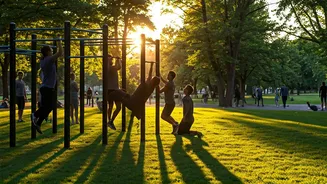
In the sprawling, often anonymous, landscapes of Indian cities, finding a sense of community can be difficult. Walking clubs are emerging as an antidote to this urban loneliness. They are low-stakes, inclusive environments where friendships can blossom organically. Conversations flow easily when you’re walking side-by-side, without the direct pressure of face-to-face interaction. People from different generations, professions, and backgrounds connect over a shared, simple activity. These clubs become a 'third place'—a crucial social hub outside of home and work—where members share stories, offer support, and build genuine bonds. For many, the social connection is just as, if not more, important than the physical exercise.
Beyond Physical Fitness
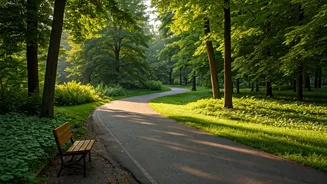
While the cardiovascular benefits of walking are well-documented, the advantages of group walking extend far beyond physical health. It’s a dedicated hour of screen-free time, allowing the mind to disconnect from the constant barrage of digital notifications. Walking in a green space, often where these clubs meet, has been shown to reduce stress, improve mood, and boost cognitive function. The gentle rhythm of walking and talking can be a form of moving meditation, providing a mental reset that prepares you for the day ahead or helps you unwind in the evening. It’s a holistic wellness practice disguised as a simple walk, nurturing mind and spirit alongside the body.
How to Join the Movement
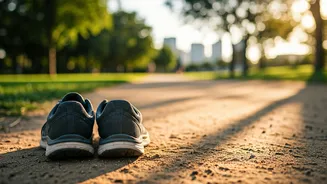
The beauty of this trend is its accessibility. You don't need a fancy membership or expensive gear—just a good pair of shoes and a willingness to show up. Finding a club is often as simple as visiting a local park at a popular time, usually early in the morning (around 6 AM) or after work (around 7 PM), and observing the groups. Many residential societies have their own informal clubs. Social media platforms like Facebook are also a great place to search for local groups. And if you can't find one, why not start one? A simple message in a neighbourhood WhatsApp group, inviting a few people for a walk, is often all it takes to get a new club started.