






For years, a clear line divided India’s consumer markets: the bustling metros and everywhere else. But that line is blurring. Thanks to the smartphone in nearly every hand, the consumption habits of smaller towns now increasingly mirror the big cities.
The Old Divide: A Tale of Two Indias
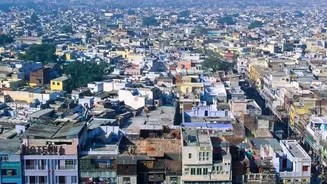
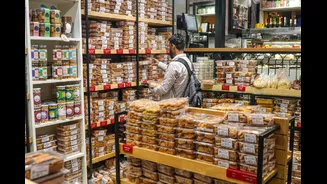
Not long ago, the story of Indian retail was written almost exclusively in its major metropolitan centres like Mumbai, Delhi, and Bengaluru. These were the markets where new products were launched, global brands focused their energy, and modern retail formats thrived. For consumers in Tier-2, Tier-3, and smaller towns, access was the primary challenge. Limited availability of brands, stockouts in local stores, and a narrower range of products meant that consumption was dictated by what was physically present. This created a significant gap in spending patterns, aspirations, and brand awareness between a consumer in a metro and one in a smaller city. The metro consumer had choice, convenience, and access; the non-metro consumer often did not.
The Smartphone as a Bridge
The game-changer was the explosion of digital connectivity, driven by affordable smartphones and cheap data plans. Suddenly, geography was no longer a barrier to information. A consumer in a small town in Uttar Pradesh or a village in Kerala could now discover the same products on social media, watch the same influencer reviews on YouTube, and compare prices on the same e-commerce apps as someone in a posh South Delhi locality. This digital access became a great equaliser. It closed the information gap, which in turn began to close the aspiration gap. Initiatives like Digital India and BharatNet have further accelerated this by extending internet infrastructure to the remotest corners of the country, bringing millions of new users into the digital economy.
From Aspiration to Action: The E-commerce Boom
With aspirations aligned, the next step was enabling transactions. The rise of e-commerce platforms like Amazon, Flipkart, and Meesho, coupled with the Unified Payments Interface (UPI) revolution, turned digital window shoppers into active buyers. For many in smaller cities, e-commerce wasn't just about convenience; it was about access to products that were simply unavailable locally. Today, a significant portion of e-commerce growth is powered by these emerging cities. Reports indicate that Tier-2 and Tier-3 cities account for over 60% of all e-commerce transactions and a similar share of new shoppers. This trend is visible across categories, from fashion and electronics to beauty and personal care, where orders from non-metro regions are growing rapidly.
Brands Look Beyond the Metros
This shift has forced brands to fundamentally rethink their strategies. The 'metro-first' approach is no longer sufficient for growth. Companies now realise they need a 'Bharat-first' strategy, tailoring their products, marketing, and logistics for a more diverse and distributed consumer base. This means offering interfaces in regional languages, understanding local cultural contexts, and building trust. Influencer marketing, for instance, has become a key tool to reach younger audiences in smaller towns. Even logistics networks, once heavily concentrated in urban hubs, are becoming more distributed to ensure timely delivery and smooth returns, which are critical for building consumer confidence in these new markets.
The New Indian Consumer
While digital access has narrowed the consumption gap, it hasn't created a monolithic market. Consumers in smaller cities are aspirational but remain value-conscious, placing a higher emphasis on deals and offers compared to their metro counterparts who might prioritise speed. However, the idea that these consumers are 'less digital' or only interested in essentials is outdated. They are actively using social media for discovery, engaging with creator content, and even adopting AI-powered tools to assist in their shopping journeys. This emergence of a digitally savvy, aspirational, and value-aware consumer in India's heartland is reshaping the country's entire economic landscape, marking a structural shift in where future growth will come from.