




The Science of Silent Power
So, how does a hydrogen train work? Instead of burning diesel, these locomotives use a fuel cell. Think of it as a small, onboard power station. Pressurised hydrogen gas from tanks, often on the roof, is combined with oxygen drawn from the air. This electrochemical
reaction generates electricity to power the motors that turn the wheels. The most remarkable part is what comes out of the exhaust: nothing but pure water vapour. There is no smoke, no soot, and no carbon dioxide. This process is also significantly quieter than a traditional diesel engine, preserving the tranquility of the scenic landscapes they traverse.
A Perfect Fit for Heritage Routes
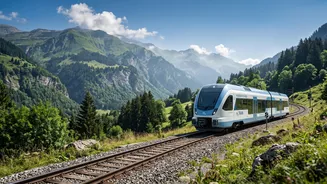
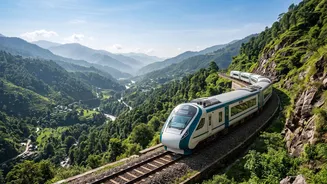
Hydrogen technology is uniquely suited to heritage and scenic railways for several reasons. Many of these lines are not electrified, making diesel the default option. Electrifying them with overhead cables is often impractical and would permanently spoil the picturesque views. Hydrogen trains eliminate this problem, offering a self-contained, zero-emission solution. Their quieter operation is another major benefit, reducing noise pollution for both passengers and trackside communities. Furthermore, eliminating diesel particulates helps preserve historic station buildings and the delicate ecosystems of the mountains and valleys these beloved trains pass through. This makes hydrogen an ideal way to bring modern, green technology to valued historical assets.
India's 'Hydrogen for Heritage' Vision
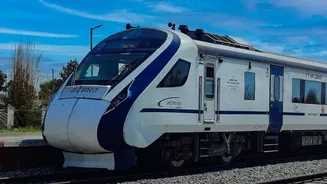
This technology isn't just a distant dream; it's becoming a reality in India. Indian Railways has launched an ambitious 'Hydrogen for Heritage' initiative. The plan is to run 35 hydrogen-powered trains on several iconic hill and heritage routes across the country. A key part of this is the plan to introduce hydrogen trains on the UNESCO World Heritage Kalka-Shimla railway. While initial proposals have seen some delays, the long-term goal remains to replace ageing diesel engines on this and other scenic lines. A pilot project retrofitting an existing diesel train to run on hydrogen has already been initiated on the Jind-Sonipat section, providing valuable experience for these future deployments. The first indigenous hydrogen train on this route was flagged off in July 2026.
Global Momentum and Local Challenges
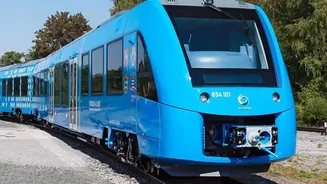
India is joining a global movement. Germany began operating the world's first commercial hydrogen passenger train in 2018, and countries like the UK have also been testing the technology, including converting old diesel shunters for heritage railway use. However, the path forward has its challenges. The initial cost of hydrogen locomotives and the necessary ground infrastructure for producing and storing the fuel is high. A significant investment is needed to build a supply chain for 'green' hydrogen—which is produced using renewable energy—to ensure the entire cycle is environmentally friendly. Safety protocols for handling pressurised hydrogen are also critical. Despite these hurdles, the long-term benefits of reduced pollution and fuel independence are seen as a worthwhile goal.