





Identifying Argentina's Vulnerability
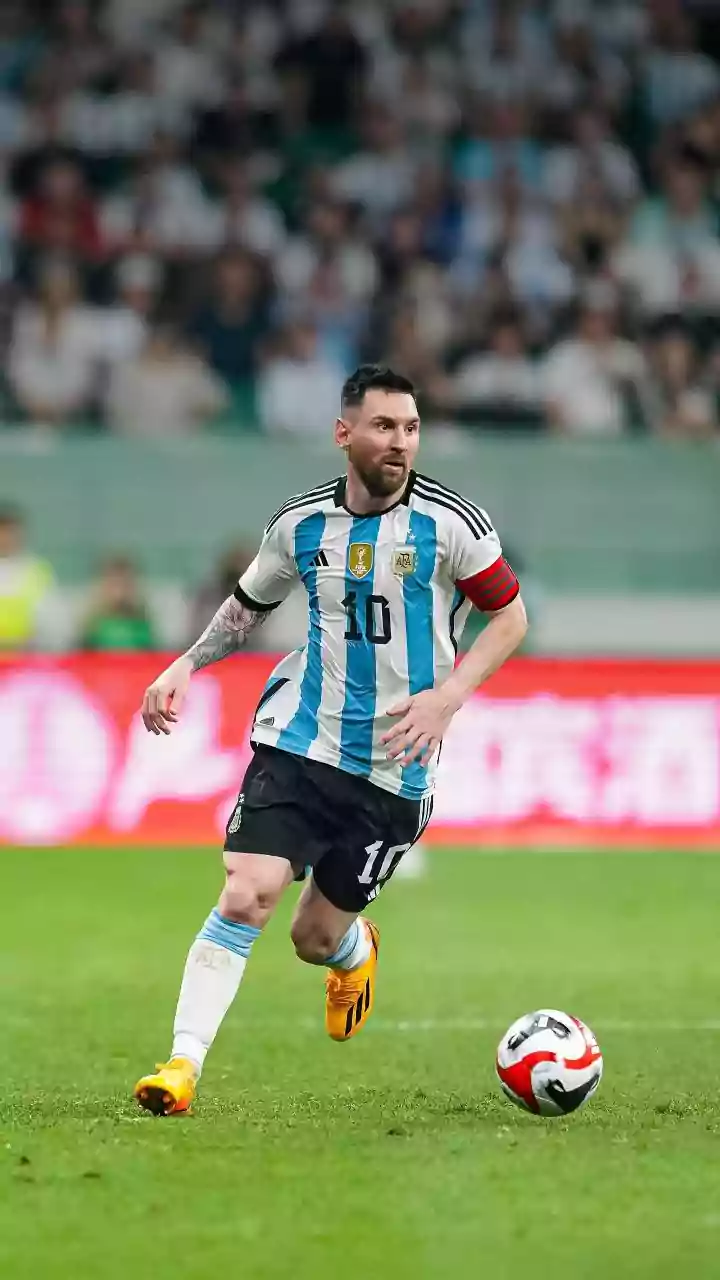
Argentina’s journey to the final has been built on resilience, tactical flexibility, and the enduring genius of Lionel Messi. However, their path has also revealed a persistent weakness: a vulnerability to pace and direct attacks in wide areas, particularly
during defensive transitions. Throughout the tournament, teams like Egypt and Cape Verde have demonstrated how to expose the spaces left behind Argentina's attacking full-backs, Nahuel Molina and Nicolás Tagliafico. While their forward runs are crucial to Argentina's attack, it leaves the central defenders exposed when possession is lost. This issue is compounded by a press that can sometimes become disjointed, creating gaps between the midfield and defence that swift opponents can exploit with vertical passes and rapid counters. This forces the backline into exhausting recovery runs, a flaw that Spain is uniquely equipped to punish.
Spain’s Perfect Weapon: Pace on the Wings
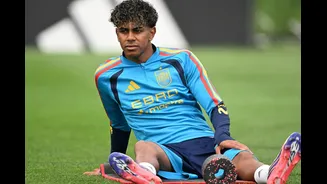
Spain’s evolution under Luis de la Fuente has added a potent vertical threat to their traditional possession-based game. The primary weapons are the electrifying wingers, Lamine Yamal and Nico Williams. Their directness, one-on-one dribbling ability, and sheer acceleration provide the perfect antidote to a team that concedes space on the flanks. Unlike past Spanish sides that could be predictable, this team can switch from patient build-up to lightning-fast attacks in an instant. The strategy is clear: use their midfield superiority, anchored by the peerless Rodri, to control the tempo and then release their wingers into the channels Argentina vacates. This forces opposing full-backs into a difficult choice: stay deep and allow Spain to dominate possession, or push forward and risk being exposed by Yamal and Williams' pace.
The Tactical Blueprint for Victory
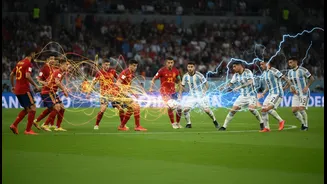
For Spain to lift the trophy, their game plan must be precise. It starts with midfield control. Rodri, alongside creative midfielders like Dani Olmo or Fabián Ruiz, will need to dominate possession, draw Argentina's press, and then switch play quickly to the wings. This will isolate Yamal and Williams against Molina and Tagliafico. Yamal, in particular, poses a major threat with his ability to cut inside or drive to the byline, creating fear every time he's on the ball. The key will be the speed of the transition. Once Spain wins the ball, the first pass must look to find the wide players. Spain's full-backs, such as Pedro Porro and Marc Cucurella, can support these attacks but may adopt more conservative, inverted positions to provide defensive insurance against an Argentine counter. This disciplined structure, which proved so effective against France's potent attack in the semi-final, will be vital.
The Decisive Matchup: Yamal vs. Molina
The battle on Spain's right flank could very well decide the World Cup. Lamine Yamal, who just turned 19, has been a revelation, growing in influence throughout the tournament. His opponent, Nahuel Molina, is an experienced and aggressive full-back who is vital to Argentina's attacking structure but has shown defensive frailties. While Molina possesses the pace to attempt recovery runs, his defensive duel success rate has been questioned, and he can be exposed by elite dribblers. In their previous encounters at the club level, this has been a heated contest. If Yamal can consistently get the better of Molina, forcing him onto the back foot and drawing support from other defenders, it will create imbalances across Argentina's backline for Spain's other attackers to exploit.
Can Argentina Adapt?
Of course, Lionel Scaloni's Argentina are reigning champions for a reason. They are masters of adapting and finding ways to win, often through sheer force of will and late-game heroics. They may attempt to mitigate the threat by having midfielders like Rodrigo De Paul or Enzo Fernández drift wide to provide extra cover. They could also try to pin Spain's own full-backs deep, using the threat of Messi and Julián Álvarez to prevent them from joining the attack. Argentina’s strategy will likely involve staying compact, frustrating Spain’s midfield, and looking for moments to unleash their own quick transitions. They have proven throughout the knockout stages that they are experts at absorbing pressure and striking decisively when the opportunity arises.