




What Is a Home Mini-Forest?
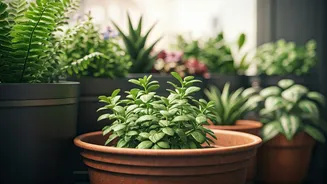
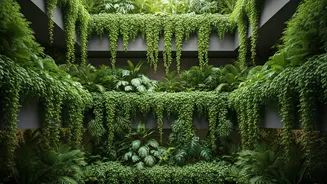
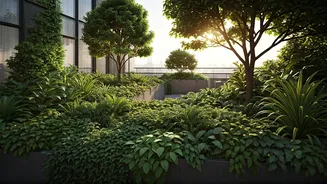
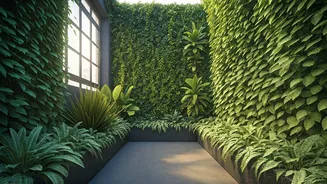
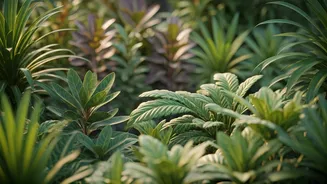
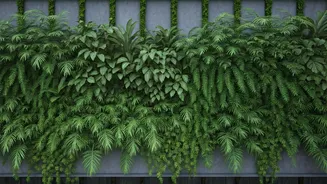
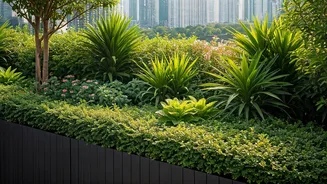
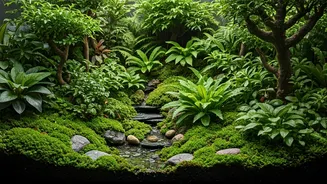
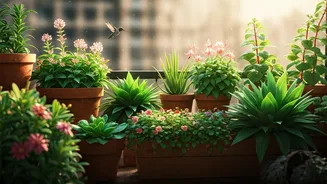
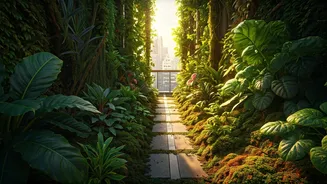
A home mini-forest is more than just a collection of potted plants. It’s a dense, multi-layered ecosystem designed to mimic a natural forest on a small scale. [13] The concept is often inspired by the Miyawaki method, a technique developed by Japanese
botanist Akira Miyawaki to grow dense, native forests quickly. [14, 15] When adapted for homes, this method involves planting a diverse mix of native or climate-appropriate plants very close together in a single large container or a dedicated patch on a terrace. [4, 16] This close planting encourages competition for light, causing the plants to grow upward rapidly, creating a dense canopy and a 30 times denser green space compared to a traditional garden. [13, 15] The goal is to create a self-sustaining ecosystem that supports biodiversity and becomes maintenance-free after a few years. [4]
The Tangible Benefits of an Indoor Ecosystem
Bringing a miniature forest into your home offers significant advantages for both your environment and your health. Plants act as natural air purifiers, absorbing carbon dioxide, filtering common household toxins, and releasing fresh oxygen. [3, 5, 7] This can lead to cleaner indoor air, which is especially beneficial in urban areas. [2] The presence of dense greenery also helps regulate humidity and can even act as a natural sound absorber, reducing background noise. [3, 5] Beyond the physical benefits, nurturing a green space is a therapeutic activity known to reduce stress, lower blood pressure, and boost your mood. [5, 8] Studies have shown that interacting with indoor plants can improve concentration, memory, and creativity, making your home a more peaceful and productive sanctuary. [3, 5]
Choosing the Right Plants for Your Climate
The key to a successful mini-forest is selecting plants that thrive together in your specific climate. For Indian homes, a mix of native and hardy tropical plants is ideal. [2, 20] To mimic a natural forest structure, plan for multiple layers: * **Canopy/Tree Layer:** Taller plants that create a sense of height. For indoor or balcony use, consider slow-growing options like the Rubber Plant (Ficus elastica) or Areca Palm. [19, 21, 22] * **Sub-Tree Layer:** Medium-height plants like the Jade Plant, Dracaena species, or various Philodendrons fill in the space. [17, 20] * **Shrub & Herb Layer:** Bushier plants and herbs add density. Peace Lilies and Anthuriums work well indoors. [19, 21] * **Ground Cover:** Trailing plants like Money Plant (Pothos) or Spider Plants can cascade over the edge of the container, mimicking a forest floor. [17, 21] Always group plants with similar light and water needs together. [18] Starting with low-maintenance, native species will increase your chances of success. [2, 18]
A Step-by-Step Guide to Planting
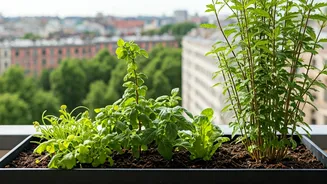
Creating your mini-forest is a rewarding process. Here’s a simple guide to get started: 1. **Select Your Container:** Choose a large, wide pot or trough with excellent drainage holes. For terraces, you can use large tubs or even build a raised bed. [16] If you're planting on a balcony or rooftop, first consult a structural engineer to ensure it can handle the weight. [2] 2. **Prepare the Soil:** A healthy forest needs rich soil. Create a mix of potting soil, compost or manure for nutrients, and coco-peat to help retain moisture. [2, 10] This foundation will help the roots establish quickly. [13] 3. **Arrange Your Plants:** Before planting, arrange the saplings on the surface to visualize the final look. Place taller species towards the back or center and shorter ones around them. Avoid planting two of the same species next to each other to encourage biodiversity. [4] 4. **Plant Densely:** The goal is to plant 3-5 saplings per square metre. [23] This density is crucial for the Miyawaki method, as it fosters the competition and cooperation that leads to rapid, upward growth. [14, 25] 5. **Water and Mulch:** After planting, water the container thoroughly. Apply a thick layer of mulch, like dry leaves or wood chips, on top of the soil. [6] This mimics a natural forest floor, retaining moisture, suppressing weeds, and enriching the soil as it breaks down. [23]
Nurturing Your Fledgling Forest
For the first two to three years, your mini-forest will need regular care to become self-sufficient. Water it consistently, especially during dry seasons, but avoid waterlogging. [2, 10] Weeding will be necessary initially, but as the canopy becomes dense, it will block sunlight from reaching the ground, naturally preventing weeds from growing. [13] One of the most important rules of the Miyawaki method is to avoid pruning. Let the plants grow naturally; over time, the fittest will thrive, and the ecosystem will find its own balance. [13, 25] Be patient and observant. Watching your own mini-forest grow from a few saplings into a dense, green sanctuary is a deeply rewarding experience that connects you with the rhythm of nature right at home. [2]