





Understanding the Energy Crash
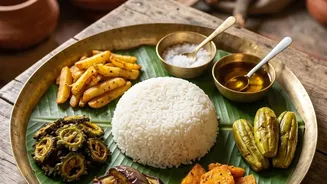
That sleepy, sluggish feeling, often called a 'food coma', is your body's reaction to a rapid rise and fall in blood sugar. Meals high in refined carbohydrates, like white rice and maida-based rotis, are digested quickly, causing a sharp spike in blood glucose.
Your body releases insulin to manage this surge, but the subsequent drop in sugar can leave you feeling drained and foggy. The goal isn't to eliminate carbs, but to choose types that release energy slowly and steadily.
Swap Your Grains for a Slower Release
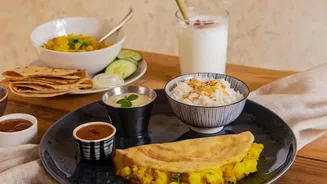
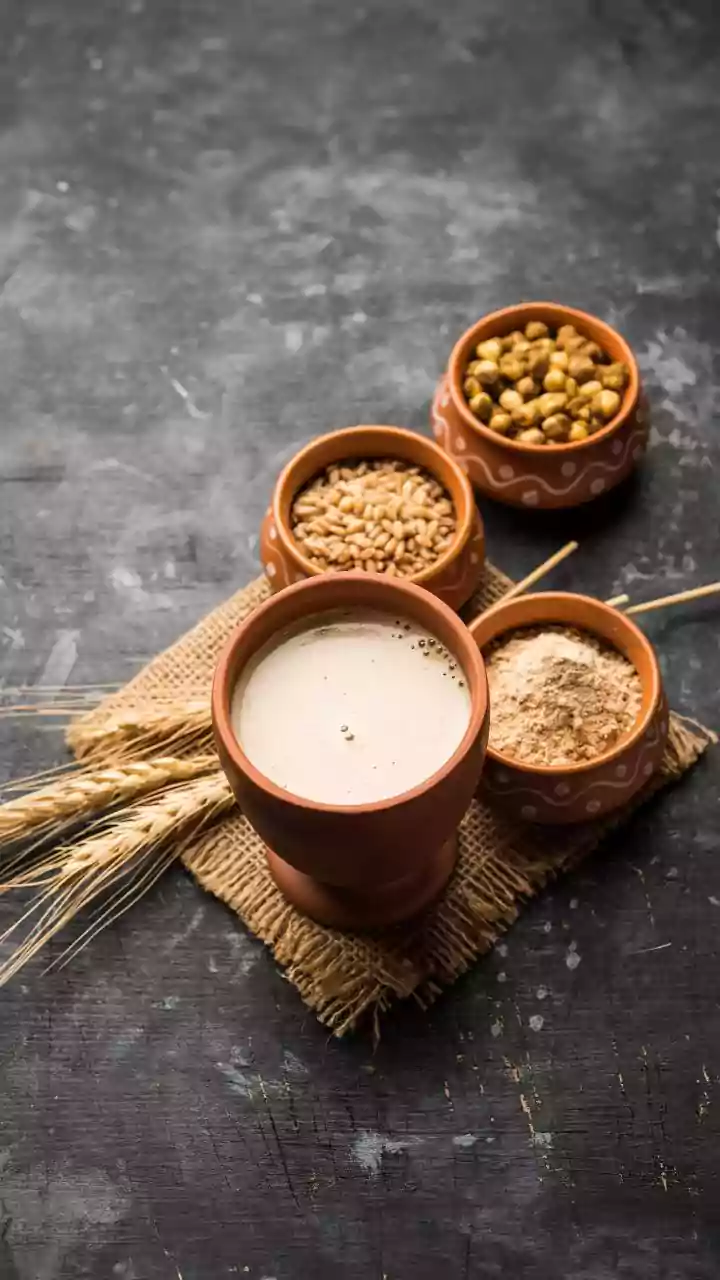
The foundation of many Indian meals is grains, and this is where the easiest changes can be made. Instead of polished white rice, which has a high glycemic index (GI), consider switching to brown basmati rice a few times a week. Better yet, explore India's wealth of millets. Jowar (sorghum), bajra (pearl millet), and ragi (finger millet) have a lower GI and are packed with fibre, which slows down sugar absorption. When making rotis, try mixing your regular wheat flour with besan (chickpea flour) or millet flours to lower the overall glycemic impact without sacrificing texture completely.
Make Protein and Fibre Your Best Friends
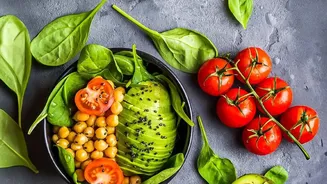
Protein and fibre are crucial for slowing digestion and preventing energy dips. Luckily, Indian cuisine is rich in both. Make dal a non-negotiable part of your main meals. Rotating between different lentils like moong, masoor, and chana keeps things interesting. Don't treat your sabzi as a small side dish. Instead, follow the 'plate method': fill half your plate with non-starchy vegetables like spinach, cauliflower, bhindi, or bottle gourd. This adds volume and essential nutrients, helping you feel full and energized.
Use Healthy Fats Wisely
Fats play an important role in satiety and slowing down the absorption of carbohydrates. A meal with some healthy fat will keep you feeling full for longer than a fat-free one. This doesn't mean deep-frying everything. It means using traditional fats like ghee, mustard oil, or groundnut oil in moderation for tempering (tadka) and cooking. Including a handful of nuts as a snack or adding seeds to your dishes also contributes healthy fats that support stable energy.
It’s Not Just What You Eat, but How
A few simple behavioural changes can make a big difference. Try eating a small salad or some raw vegetables before your main meal. The fibre acts as a buffer, slowing down the absorption of the carbs that follow. Portion size also matters. A very large meal, regardless of its contents, diverts a lot of energy to digestion, which can make you feel tired. Finally, resist the urge to lie down immediately after eating. A gentle 10-minute walk helps your muscles use up some of the glucose from your meal, preventing a sharp spike.