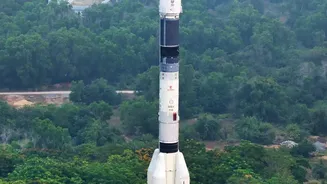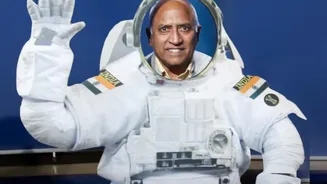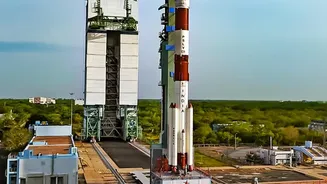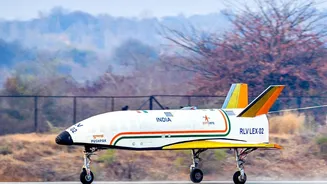





The Coveted Scientist/Engineer 'SC' Role
The most sought-after position for fresh graduates at ISRO is that of Scientist/Engineer 'SC', a Group 'A' Gazetted post. Recruitment for these roles happens through the ISRO Centralised Recruitment Board (ICRB). Key disciplines include Electronics, Mechanical,
and Computer Science, though vacancies in Civil, Electrical, and Architecture also open up based on the organization's needs. For example, a recent recruitment drive announced 93 vacancies across these fields, with the highest number in Electronics, followed by Mechanical and Computer Science. These roles place you at the heart of India's space missions, working on everything from satellite design to launch vehicle technology.
Essential Eligibility Criteria
To be eligible for the Scientist/Engineer 'SC' post, candidates typically need a B.E./B.Tech or an equivalent degree in the relevant engineering discipline. A minimum aggregate of 65% marks or a CGPA of 6.84 on a 10-point scale is generally required. The age limit for unreserved category candidates is often set at 28 years, with relaxations for OBC, SC/ST, and other reserved categories as per government norms. It's crucial to note that eligibility criteria are strictly enforced. For instance, if a university only provides a CGPA, that score must meet ISRO's requirement without conversion to a percentage.
The Dual Path to Selection: GATE and Written Tests
ISRO has adopted a two-pronged approach to fast-track recruitment. A significant number of vacancies are now filled based on a valid Graduate Aptitude Test in Engineering (GATE) score. For a recent drive, candidates with valid GATE 2025 or 2026 scores were eligible to apply. Based on these scores, candidates are shortlisted for a personal interview, typically in a 1:7 ratio for each vacancy. The final selection then gives equal weightage (50-50) to the GATE score and the interview performance. The second path is through a dedicated written examination conducted by the ICRB, which also leads to an interview round. This ensures that opportunities remain available for candidates who may not have a GATE score but possess strong technical knowledge.
Navigating the Online Application Process
All applications for ISRO recruitment are accepted online only through the official website, isro.gov.in. The process involves a few key steps. First, locate the relevant advertisement under the 'Careers' section. You will need to register with a valid email ID and mobile number, after which you'll receive a registration number to be preserved for future reference. The application form requires you to fill in personal and educational details accurately and upload specific documents like a recent photograph and signature. For GATE-based entries, you will also need to provide your valid GATE registration details. The application fee is paid online through the designated payment gateway.
Deadlines Are Strict, So Be Prepared
One of the most critical aspects of the ISRO recruitment process is the deadline. The application window is typically open for a few weeks. For instance, a recent recruitment for 93 posts opened on July 28, 2026, with a firm closing date of August 17, 2026. Missing this deadline means waiting for the next recruitment cycle. There is usually a separate, slightly later deadline for the payment of the application fee. Candidates already employed in government or public sector roles must obtain a 'No Objection Certificate' (NOC) from their employer to be presented at the time of the interview.
Beyond Engineering: Other Opportunities
While Scientist/Engineer 'SC' roles are prominent, ISRO also recruits for other vital positions. These include Technical Assistants for diploma holders, Scientific Assistants for B.Sc. graduates, and various administrative roles like Assistants and Junior Personnel Assistants. These recruitments are often conducted by individual ISRO centres or units. The selection process for these posts usually involves a written test followed by a skill test, which is qualifying in nature. Aspiring candidates from diverse educational backgrounds should regularly monitor the ISRO careers page for these specific opportunities.