





The Push for Purer Tea
The conversation around food safety in India is getting louder, and tea is no exception. In a significant move in October 2026, the Food Safety and Standards Authority of India (FSSAI) proposed new Maximum Residue Limits (MRLs) for two commonly used pesticides
in tea cultivation: acetamiprid and imidacloprid. These regulations aim to create clear, science-based benchmarks for what is considered safe, aligning India more closely with stringent international standards. The push comes after years of concerns over high pesticide levels, which have occasionally led to the rejection of Indian tea consignments in global markets. The goal is twofold: protect consumers at home and bolster the reputation of Indian tea abroad, ensuring it remains competitive and trusted worldwide.
The Farmer's Dilemma
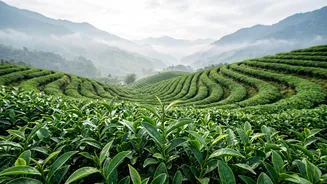
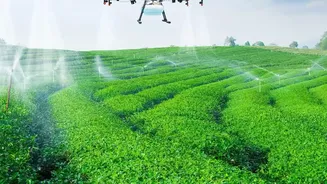
While safer tea is a laudable goal, the reality for India's millions of tea growers, particularly smallholders, is far more complicated. Pests are a significant threat, with infestations capable of wiping out up to 50% of a crop in some areas. For decades, farmers have relied on chemical pesticides as a fast-acting, effective solution to protect their yields and income. The new rules, which follow the earlier delisting of 13 more toxic pesticides, force a shift away from these familiar tools. The alternatives, such as newer, approved chemicals or natural pesticides like neem, can be more expensive and slower to act. This creates a tough choice for farmers: absorb higher costs and risk lower yields, or struggle to comply with the new standards, jeopardising their market access. The economic pressure is immense, especially when tea prices are stagnant and the cost of production continues to rise.
Will 'Cleaner' Tea Taste Different?
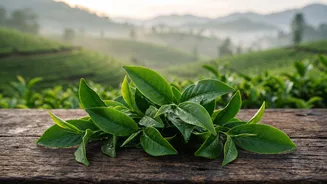
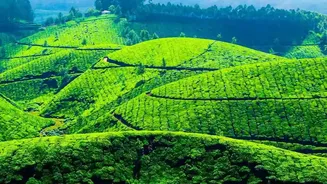
The question on every tea lover's mind is what this means for the final brew. The impact of pesticides on flavour is a complex topic. Purists and connoisseurs argue that excessive chemical use dulls the intricate aromas and flavours that define a high-quality tea. In this view, reducing reliance on synthetic inputs could allow the natural 'terroir' of regions like Darjeeling and Assam to shine through more clearly. However, the transition isn't just about removing chemicals. Uncontrolled pest attacks can also damage the tender leaves and shoots that are essential for producing the best quality tea. If farmers struggle to manage pests effectively under the new rules, it could potentially impact the consistency and quality of the leaf that reaches the factory. The industry's challenge is to manage this transition without compromising the taste profile that consumers expect.
The Search for a Sustainable Future
The new regulations are accelerating a necessary shift toward more sustainable cultivation methods. The industry, with support from research institutions, is increasingly looking towards Integrated Pest Management (IPM). IPM is a holistic approach that combines various strategies to control pests in an eco-friendly way. This includes using natural predators (biological control), improving soil health, and using chemical pesticides only as a last resort rather than a primary tool. Research bodies like the Tocklai Tea Research Institute are developing and promoting these methods to help farmers adapt. This approach not only helps in meeting the new MRLs but also promotes long-term ecological balance in the tea gardens, which have been impacted by climate change and rising pest infestations. The road ahead involves significant investment in training, research, and support for growers to make this sustainable model a widespread reality.