







The Global Promise of UPI
India's Unified Payments Interface (UPI) has rapidly expanded its global footprint, making international travel more convenient for millions of Indians. As of 2026, UPI is operational in several countries, including the UAE, Singapore, France, Nepal,
Bhutan, Sri Lanka, Mauritius, and Qatar, with new nations like Greece and Cambodia joining the list. This expansion, driven by the National Payments Corporation of India (NPCI), allows travellers to make payments directly from their Indian bank accounts by simply scanning a QR code. The system is designed for instant, low-cost transactions, and the dream is to make your Indian bank balance accessible anywhere in the world. In places like Bhutan and Nepal, acceptance is widespread, while in others like France, it is focused on high-traffic tourist areas such as the Eiffel Tower. Before travelling, users must activate the 'international payments' feature in their UPI app.
Reality Check: Where UPI Can Stumble
Despite its growing presence, relying solely on UPI abroad can be risky. The biggest challenge is inconsistent merchant acceptance. While major tourist spots may have the infrastructure, smaller shops, local eateries, or transport services might not. Even where it is accepted, functionality isn't guaranteed. Poor internet connectivity, a common issue for travellers, can cause transactions to fail. Other potential failure points include server-side issues with either the Indian or local bank, transaction timeouts, and daily spending limits. While the official UPI international limit can be up to ₹2 lakh per day, your bank or the specific merchant may impose lower caps. These limitations mean you can't assume UPI will work everywhere, every time, just as it does back home.
Your First Backup: The Right Cards
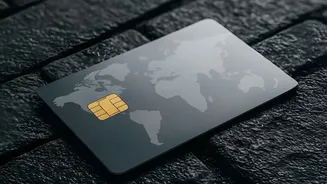
This is where a multi-layered payment strategy becomes crucial. Your first line of backup should be a combination of forex and credit cards. A forex card is a prepaid card that you load with foreign currency before your trip, locking in the exchange rate. This protects you from currency fluctuations and often comes with lower fees than debit or credit cards for international transactions. However, credit cards offer their own advantages, such as fraud protection, reward points, and emergency credit access. Some premium credit cards even offer zero foreign transaction markup fees, making them competitive with forex cards. The ideal strategy is often to carry both: use the forex card for planned expenses and the credit card for larger purchases or as a backup. Always remember to inform your bank about your travel dates to avoid your cards being blocked for suspicious activity.
Why Cash Is Still King
In an increasingly digital world, it’s easy to forget the importance of physical cash. However, when travelling abroad, cash remains an indispensable tool. It is universally accepted, especially for small purchases from street vendors, local markets, or paying for a taxi where digital payments might not be an option. Having local currency on hand is also vital in emergencies, such as if digital payment systems go down or you lose your cards. While carrying large amounts of cash is risky due to theft, a moderate amount for daily expenses provides a crucial safety net. A good practice is to withdraw some local currency from an ATM upon arrival using your forex or debit card, ensuring you’re never caught without a payment option.
A Smart Traveller's Payment Strategy
The smartest way to manage your money abroad is by not relying on a single payment method. Embrace a diversified approach. Start by activating UPI International on your phone and use it wherever it is conveniently accepted for small-to-medium payments. For most of your larger, planned spending at hotels, restaurants, and established shops, use a forex card to benefit from locked-in exchange rates. Keep a credit card handy for emergencies, online bookings, or places where your forex card might not be accepted. Finally, always carry a reasonable amount of local cash for tips, transport, and small vendors. This layered strategy ensures you have the flexibility to handle any payment situation, minimise fees, and protect yourself from the unforeseen, allowing you to focus on enjoying your trip rather than worrying about transactions.