




Decoding Making Charges
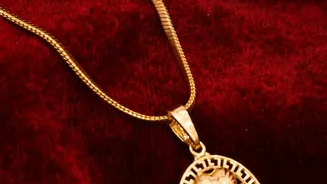
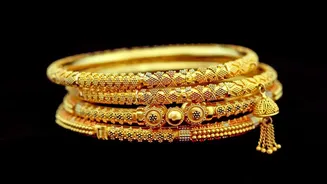
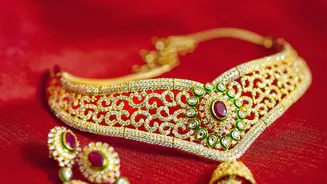
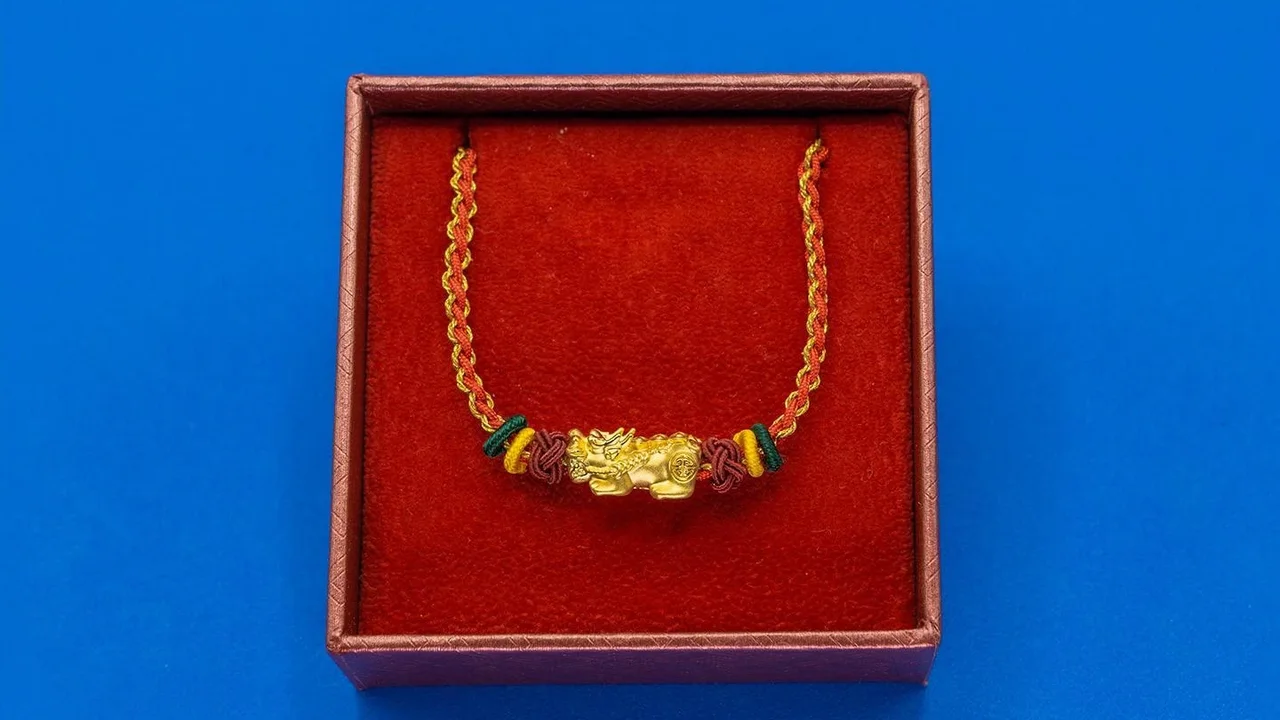
When you buy a piece of gold, its price isn't just based on weight and purity. A significant component of the cost is 'making charges'. This is the fee jewellers add to cover the labour and craftsmanship required to transform raw gold into a finished
product. For intricate jewellery, these charges can range from 8% to over 25% of the gold's value. Some jewellers also include 'wastage charges', which account for the small amount of gold lost during the manufacturing process. These costs are important for buyers to understand because they are not recoverable upon resale; you only get value for the gold itself, not the labour you paid for.
Why Coins Are Cheaper to Craft
The central claim holds true: gold coins typically involve lower making charges than jewellery. The reason is simple. Coins are mass-produced by mints using machines, requiring minimal and standardised craftsmanship. Their designs are simple and stamped, not intricately handcrafted. In contrast, jewellery involves detailed design work, stone setting, and skilled artistry, all of which add to the labour cost. As a result, making charges for gold coins can be as low as 1-4%, making them a more cost-effective option if your primary goal is to invest in the metal itself.
Purity: The 24K Advantage
Beyond cost, purity is a critical factor. Gold coins are generally sold as 24 Karat (24K), which is 99.9% pure gold. Jewellery, on the other hand, is almost always made from 22K (91.6% pure) or 18K (75% pure) gold. This is because pure 24K gold is too soft for durable ornaments and needs to be mixed with other metals (alloys) for strength. For an investor, the higher purity of a 24K coin means you are getting more gold for your money, without paying for the alloys mixed into jewellery.
The Hallmark of Trust
Whether you buy a coin or an ornament, ensuring its purity is paramount. In India, the Bureau of Indian Standards (BIS) provides a hallmarking system to certify the fineness of gold. Since 2021, hallmarking is mandatory for jewellers in specified districts. A BIS-hallmarked item will have a stamp that guarantees its purity. The current system includes a 6-digit alphanumeric Hallmark Unique Identification (HUID) number. This code allows you to verify the item's details on the BIS CARE app. Always insist on hallmarked gold to protect yourself from being sold an item with lower-than-advertised purity.
Thinking About Resale Value
Your reason for buying gold should influence your choice. If you're focused on investment returns and liquidity, coins often have the upper hand. Because you don't pay high making charges upfront, your initial investment is closer to the actual value of the gold. Upon resale, coins typically fetch a price very close to the prevailing market rate for pure gold because their value is clear and standardised. Jewellery resale is more complex. The significant making charges you paid are lost, and deductions may be made for melting or for any stones in the piece, reducing your overall return.