






The Sweet Cost of Celebration
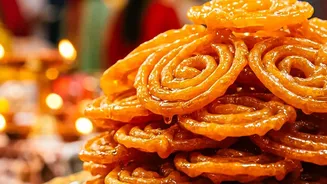
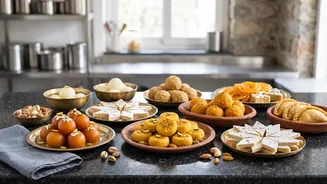
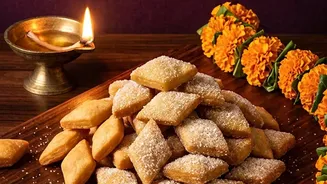
In the joyous whirlwind of Diwali, Indian households and markets overflow with sweets. It’s a time of generosity, with boxes of kaju katli, ladoos, and barfis exchanged between friends, family, and colleagues. While this tradition embodies the spirit
of the festival, it also inadvertently fuels a significant challenge: food waste. Reports indicate that Indian households generate a staggering amount of food waste annually, with some estimates putting the figure around 50 kg per person. Festivals like Diwali see a sharp spike in this wastage. Municipal bodies in major metros like Pune have reported waste collection increasing by as much as 150 metric tonnes per day during the festival period, a significant portion of which is leftover food. When this surplus food, especially perishable sweets, ends up in landfills, it decomposes and releases methane, a greenhouse gas far more potent than carbon dioxide, contributing to climate change.
A Tale of Two Cities
The irony of this festive surplus is that it exists alongside immense need, often within the same city. While some homes have more sweets than they can consume, millions of Indians face food insecurity. India is home to a large number of undernourished people, a situation where every meal counts. The heaps of uneaten mithai represent not just waste, but lost nutrition and a missed opportunity for compassion. The true spirit of Diwali, a festival celebrating the victory of light over darkness and hope over despair, offers a path to bridge this gap. By redirecting this abundance from bins to the plates of those in need, the celebration gains a deeper, more profound meaning, transforming a potential waste problem into a powerful act of community support.
How Charities Bridge the Gap
Across India’s metropolitan hubs, a network of non-profit organisations (NGOs) and charities works tirelessly to rescue surplus food and redistribute it. Groups like Feeding India, the Robin Hood Army, and the Mumbai Dabbawalas' Roti Bank have established systems to collect leftover food from individuals, events, and restaurants. These organisations are often equipped to handle the logistics of food donation, ensuring that items are collected, inspected for safety, and distributed quickly to shelters, orphanages, and underprivileged communities. Some charities focus specifically on collecting surplus from large gatherings, while others have helplines and even mobile apps to facilitate donations from individual households. By partnering with these groups, you can ensure your excess sweets reach those who will cherish them most, preventing waste and spreading festive joy beyond your immediate circle.
Making Your Contribution Count
Donating your sweets is a simple act, but a few considerations can ensure your contribution is effective and safe. First, find a reputable local charity. A quick search for 'surplus food donation' in your city will reveal several options like No Food Waste or city-specific organisations. It's always a good idea to call ahead. Ask them if they accept sweets, about their drop-off locations, and the best time for delivery. Most charities prefer freshly prepared items and may have guidelines on what they can and cannot accept for safety and hygiene reasons. Ensure the sweets are stored properly and are well within their consumption period. Avoid donating anything that has been partially eaten or has been sitting out for an extended period. Presenting your donation in clean, sealed boxes makes it easier for the charity to handle and distribute.
More Than Just a Box of Sweets
The impact of donating your excess Diwali sweets extends far beyond one person's momentary happiness. It is a direct action against food loss, which has significant economic and environmental costs. Reducing the amount of food sent to landfills lessens the burden on municipal waste management systems and cuts down on harmful greenhouse gas emissions. Furthermore, it fosters a culture of responsible consumption and community care. When giving becomes an integral part of celebrating, it strengthens social bonds and reinforces the core message of Diwali: sharing light and happiness with everyone. It's a simple shift in perspective that can help turn a festival of abundance into a truly sustainable and compassionate event for the entire community.