




The idea of the grand annual holiday, planned months in advance, is slowly giving way to a new travel rhythm. More and more, Indians are choosing to take multiple short breaks, or 'micro-vacations', throughout the year. This is more than a scheduling
quirk; it's a fundamental shift in how we approach leisure, work, and wellness.
The New Work-Life Equation
The rise of flexible and remote work has been a major catalyst for this trend. When you can work from anywhere, the line between a home office and a hotel with good Wi-Fi begins to blur. Many professionals now find it easier to take a day or two off around a weekend, or even work remotely from a new location, rather than completely disconnecting for a long period. This 'workation' model allows for a change of scenery without using up a large chunk of annual leave. It also addresses the reality of modern work culture, where being away for two straight weeks can mean returning to an overwhelming backlog of emails and tasks. Shorter trips feel more manageable and less disruptive to professional responsibilities.
Budget-Friendly and Mentally Manageable
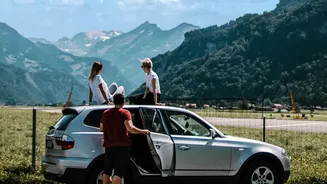
Financially, spreading travel expenses across several smaller trips can feel more palatable than saving for one big, expensive vacation. A weekend getaway to a nearby hill station or coastal town is significantly more affordable than a ten-day international tour. This makes travel more accessible to a wider range of people, including young professionals and families on a budget. The planning process is also far less daunting. Booking a spontaneous two-night stay is simpler than coordinating a complex, multi-week itinerary months in advance. This ease of planning has given rise to a more impulsive travel style, with many bookings for weekend trips being made just a few days before departure.
A Cure for Modern Burnout
In our fast-paced lives, burnout is a real and growing concern. Psychologists suggest that frequent, short breaks can be more effective for managing stress than one long holiday. Each trip provides a new cycle of anticipation, enjoyment, and happy memories, essentially multiplying the psychological benefits of a vacation throughout the year. These regular resets help to prevent stress from accumulating, improve mood, and boost productivity upon return. A short escape acts as a mental 'reset button', allowing people to disconnect and recharge before exhaustion sets in. Many travellers now see these breaks as a necessity for their mental well-being rather than just a luxury.
From Tick-Box Tourism to Immersive Experiences
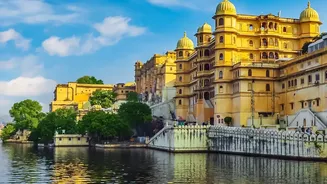
The nature of travel is also changing. Instead of rushing through a checklist of tourist spots, travellers are seeking deeper, more immersive experiences. A short trip to a single destination, like Udaipur or Coorg, allows for unhurried exploration—discovering local cafes, speaking with artisans, or simply soaking in the atmosphere. Interestingly, while the trips are shorter, spending isn't necessarily lower. Many travellers are opting for premium experiences, booking four and five star properties for their short stays to maximize comfort and quality. The focus is shifting from the duration of the trip to the depth and quality of the experience. This trend is visible across the country, with travellers from both metro and Tier_2 cities embracing the short break lifestyle.