




A Matter of Taste
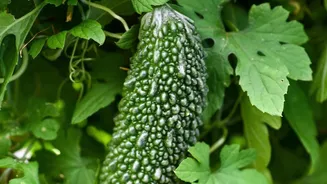
Recent large-scale health studies, like those using data from massive biobanks, have delved into the complex relationship between our genes, our perception of taste, and our long-term health. One area of focus has been on how we perceive bitter flavors.
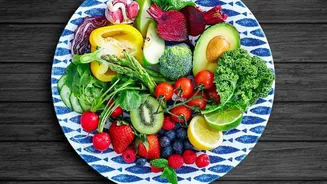
These studies often involve thousands of participants who provide genetic data, detailed dietary logs, and health information. For instance, a study might investigate the link between genetic variants that make people more sensitive to bitter tastes and their dietary choices. Some research has suggested that people who are genetically programmed to find foods more bitter—so-called "supertasters"—may eat fewer bitter vegetables like broccoli or kale. The sheer scale of a 9,000-person study allows researchers to spot patterns that would be invisible in smaller groups. But these patterns, while fascinating, come with a giant asterisk that is often lost in headlines.
Association is Not Causation
This brings us to the most important rule in reading about science: association (or correlation) does not equal causation. An association simply means two things are observed happening together. Causation means one thing directly causes the other. Think of it this way: ice cream sales are strongly associated with shark attacks. The more ice cream sold, the more attacks occur. Does this mean eating ice cream causes sharks to attack? Of course not. A third factor, or a "confounding variable," is responsible for both: hot weather. More people go to the beach and buy ice cream in the summer, and more people swim in the ocean where they might encounter sharks. The two events are linked—associated—but one does not cause the other.
What the Bitter Food Data Really Shows
Applying this to the bitter-food research, a study might find an association between a lower intake of bitter vegetables and a higher incidence of a certain health problem. The tempting conclusion is that avoiding these vegetables causes the health issue. But, like the ice cream example, there could be other factors at play. People who eat lots of bitter greens might also be more health-conscious in general. They might exercise more, smoke less, and have better access to healthcare. These other lifestyle habits could be the real cause of their better health outcomes. The study only shows a link, not a direct cause-and-effect relationship. The preference for or against bitter food is just one piece of a much larger puzzle, and researchers are careful to highlight this limitation.
Becoming a Smarter Health Reader
This distinction is critical for anyone trying to make sense of daily health news. Headlines often scream that a certain food, like coffee or red wine, is "linked to" a longer life or a reduced risk of disease. The key word is "linked." Most of these studies are observational, meaning they can only identify correlations. Proving causation is much harder and typically requires a randomized controlled trial, where one group gets an intervention and another gets a placebo, which isn't always possible for dietary studies. So, when you see a headline about a new study, ask yourself: Is it reporting a simple connection (association) or has it proven a direct cause? This simple question can help you avoid whiplash from seemingly contradictory health advice and develop a more nuanced understanding of how your choices affect your well-being.