



The Science of a Scoop
Baking is often called a science for a reason: it’s all about precise chemical reactions. When you pack a dry ingredient like flour into a measuring cup, you are fundamentally changing the recipe's ratio of dry to wet ingredients. This is a matter of density.
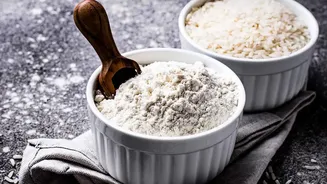
Flour, for instance, is light and easily compressed. By scooping directly from the bag and then leveling, or worse, tapping the cup to settle it, you can inadvertently add up to 30% more flour than the recipe intended. That's a huge difference. Think of it this way: a recipe developer might intend for one cup of all-purpose flour to weigh about 120 grams, but a packed cup can easily weigh 155 or 160 grams. This single action throws off the entire balance, leading to disappointing results.
Flour: The Biggest Offender
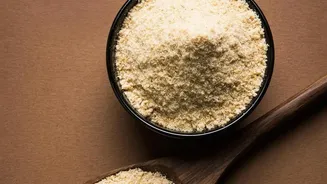
Flour is the foundation of most baked goods, and it's also the ingredient most susceptible to over-measuring. When you use too much flour, it absorbs excess moisture from the dough or batter. The result? Instead of light, fluffy cakes and tender cookies, you get creations that are dry, tough, dense, and crumbly. Many home bakers have experienced this frustration without ever knowing the cause. The mistake is understandable; scooping seems like the most intuitive way to fill a cup. But because flour settles and compacts in its bag, scooping forces more of it into the same volume than the recipe assumes. This is why many baking hotlines report that the first question they ask struggling bakers is, "How did you measure your flour?".
The Right Way to Measure by Volume
So, if you’re not supposed to scoop, what’s the right way to measure flour and other light, dry ingredients without a scale? The pros call it the "spoon and level" or "fluff, sprinkle, and scrape" method. First, use a spoon or fork to fluff up the flour in its container. This aerates it and breaks up any clumps. Next, use a large spoon to lightly sprinkle the flour into your dry measuring cup until it's mounded over the top. Crucially, do not tap the cup on the counter or pack the flour down. Finally, use the straight edge of a knife to scrape the excess flour off the top, leaving you with a perfectly level cup. This technique ensures you are measuring a much more consistent and accurate amount that aligns with what the recipe creator intended.
The Big Exception: Brown Sugar
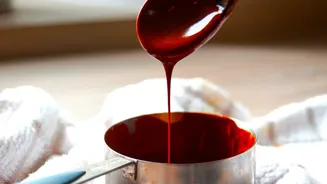
The headline includes a critical caveat: "unless the recipe specifically says to." This almost always refers to one key ingredient: brown sugar. Unlike flour, most recipes want you to pack brown sugar firmly into the measuring cup. The reason is tied to its unique composition. Brown sugar is essentially granulated sugar with molasses added, giving it a moist, slightly clumpy texture. This texture creates significant air pockets when scooped loosely. Packing it down removes those air pockets, ensuring a consistent measure of sugar and, just as importantly, its moisture content. When properly packed, brown sugar should hold the shape of the measuring cup when you turn it out.
Why a Kitchen Scale is Your Best Friend
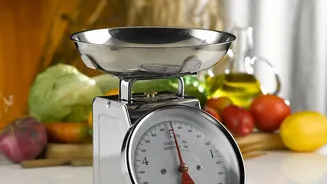
While the "spoon and level" method dramatically improves accuracy, the single best way to guarantee perfect measurements is to use a digital kitchen scale. Measuring by weight instead of volume eliminates all guesswork about packing and density. A gram is always a gram, whether it's feathers or lead. This is how professional bakers and serious home bakers achieve consistent results every single time. A recipe might call for 120 grams of flour, and with a scale, you can measure that exact amount, regardless of how fluffy or compacted the flour is. An affordable kitchen scale is a small investment that pays huge dividends in confidence and the quality of your baked goods, making it one of the most revolutionary tools you can add to your kitchen.