


First, Prepare Your Viewing Station
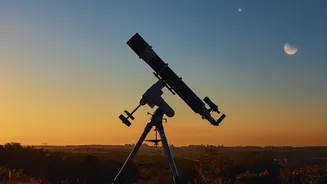
Before you start looking up, a little preparation goes a long way. The biggest challenge in any urban or suburban area is light pollution. To give yourself the best chance, turn off all the lights on your balcony and in the adjacent rooms. Give your eyes
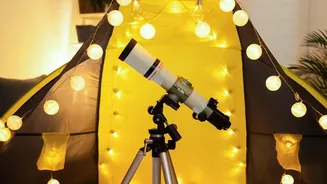
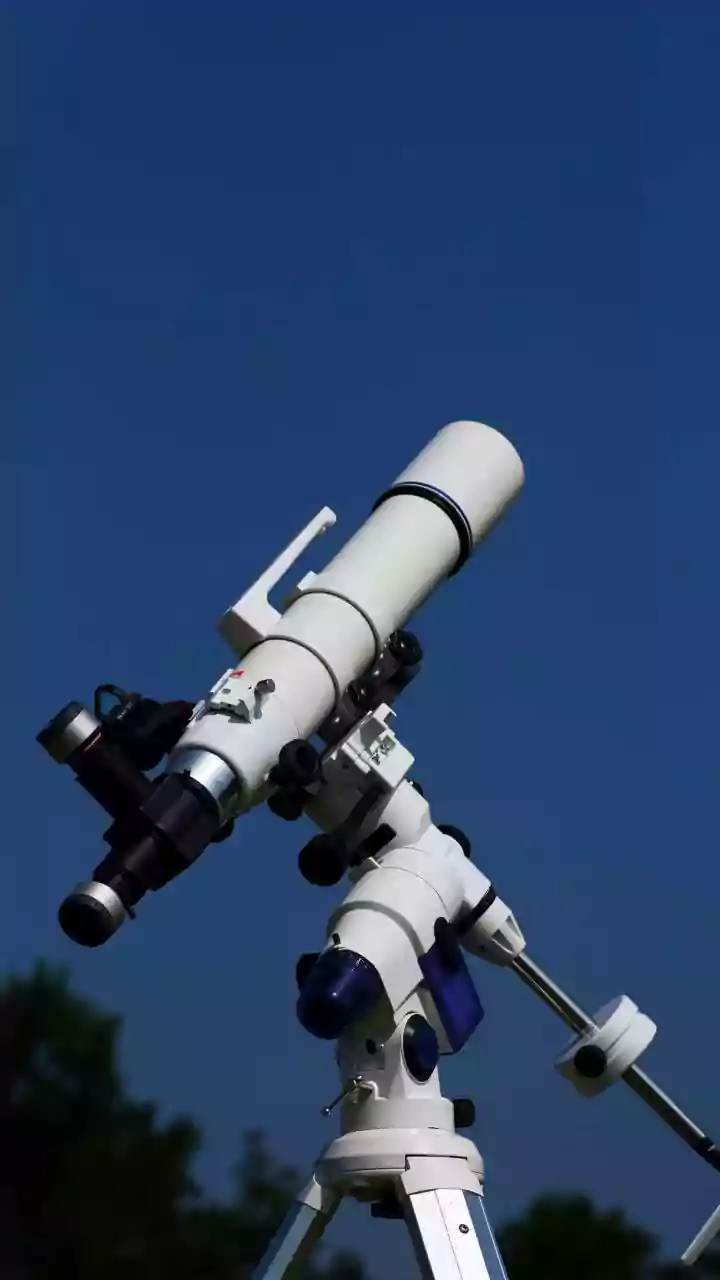
about 20-30 minutes to fully adapt to the darkness; you'll be amazed at how many more stars become visible. While a telescope is a great tool, it's not essential for the events this month. A good pair of binoculars can enhance your view of planets and the Moon. Also, consider downloading a stargazing app on your phone. Apps like Star Walk or SkyView use your location to create a real-time map of the sky, helping you identify planets, stars, and constellations with ease.
Early October: Saturn at Its Brightest
October kicks off with a brilliant planetary display. On October 4, Saturn reaches opposition, meaning it will be directly opposite the Sun in our sky. This is when the ringed planet is at its closest approach to Earth for the year, making it appear brighter than at any other time. You won't need any special equipment to spot it. Look for a bright, steady, yellowish point of light rising around sunset and visible throughout the night. While its famous rings require a telescope, its golden glow is a magnificent sight for the naked eye.
October 8-9: The Draconid Meteor Shower
Get ready for some shooting stars. The Draconid meteor shower peaks on the evening of October 8. Unlike many other meteor showers that are best viewed after midnight, the Draconids are often at their best just after nightfall, making them a very accessible event. The timing this year is perfect, as the peak occurs close to the New Moon, meaning the sky will be dark and free of moonlight, offering excellent viewing conditions. This is typically a minor shower, producing about 10 meteors per hour, but it is known for occasional, unpredictable outbursts. Find a comfy chair, look toward the northern sky, and be patient.
October 21-22: The Orionids Return
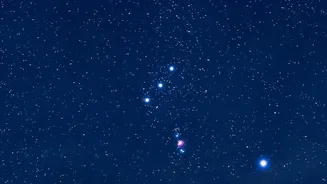
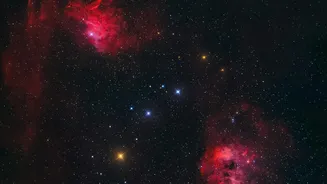
October's second meteor shower, the Orionids, peaks on the night of October 21 and into the early morning of October 22. These meteors are famous for being fast and bright, as they are tiny pieces of debris left behind by the one and only Halley's Comet. At its peak, you can expect to see up to 20 meteors per hour under ideal dark sky conditions. The best time to watch will be in the hours before dawn, after the bright gibbous moon has set, leaving the sky dark for the show. The meteors will appear to radiate from the constellation Orion, but they can be seen streaking across any part of the sky.
October 26: The Hunter's Full Moon
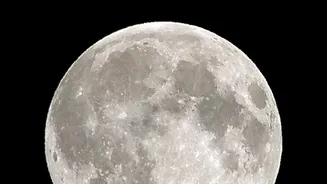
The full moon of October, known as the Hunter's Moon, will grace the sky on the night of October 25, reaching peak illumination just after midnight on October 26. This name comes from tradition, as it follows the Harvest Moon and historically illuminated fields for hunters preparing for winter. For the best view, look to the eastern horizon around sunset on October 25. As it rises, the Moon can often appear larger and take on a beautiful golden or orange hue due to the "Moon Illusion" and atmospheric effects. It's a stunning, simple, and satisfying sight that requires no equipment at all.