




The Planet's Climate Regulators
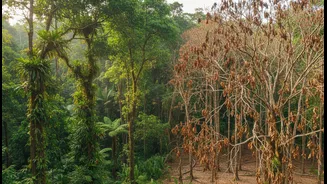
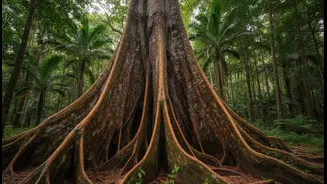
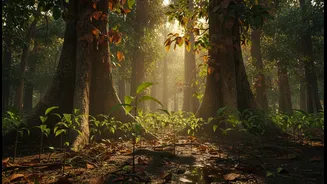
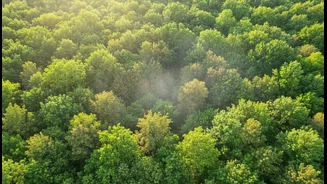
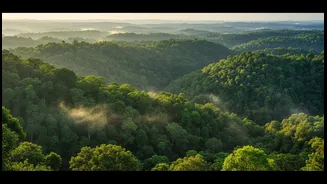
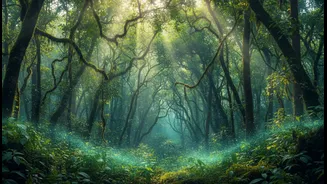
Tropical forests are more than just a collection of trees. They are sprawling, complex ecosystems that play a critical role in regulating the global climate by absorbing vast amounts of carbon dioxide. Hosting the majority of Earth's terrestrial biodiversity,
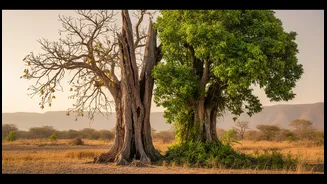
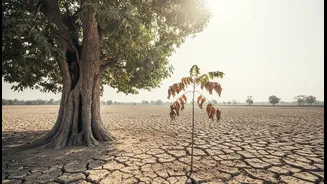
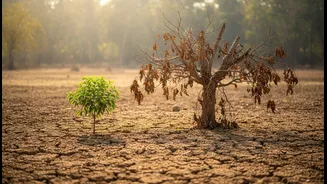
they are vibrant hubs of life. These forests also influence weather patterns, including rainfall, far beyond their boundaries. But these vital systems are vulnerable. Climate change is bringing higher temperatures, more frequent and intense droughts, and an increased risk of fire, all of which threaten to degrade these forests, potentially turning them from carbon sinks into carbon sources.
Forecasting with a Blindfold
For years, scientists have used computer models to project the future of these forests. However, many of these models have significant blind spots. Often, they treat vast, diverse forests as a uniform 'green carpet', failing to capture the complex reality on the ground. These older models might not fully account for how different tree species compete for resources like water and light, or their individual physiological responses to heat stress. They also frequently overlook crucial factors like the destructive impact of woody vines called lianas, which can strangle trees, or the specific conditions that lead to mass tree die-offs during a drought. This simplified approach limits their accuracy, making it difficult to predict when a forest might reach a critical tipping point.
Building a Better Crystal Ball
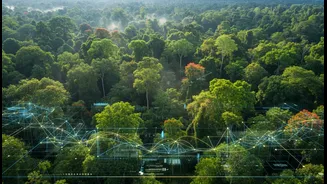
The good news is that a new generation of forest-risk models is emerging, aiming to provide a much clearer picture. These advanced models are a significant leap forward because they integrate more granular, real-world data. Instead of a broad-brush approach, they can simulate the lives and deaths of individual trees, factoring in their specific traits and tolerances to drought, fire, and heat. Some new approaches even incorporate genomic data to better predict how certain tree populations will respond to new climate conditions. By combining detailed field observations with powerful machine learning and deep learning techniques, scientists are moving from a blurry, low-resolution view to a much sharper, more dynamic forecast of forest health.
From Code to Conservation
These improved forecasts are far more than just an academic exercise. They have profound real-world implications for conservation and policy. With more reliable predictions, governments and conservation bodies can make smarter, more targeted decisions. For example, a model might identify a specific region that is highly vulnerable to drought in the next decade, prompting pre-emptive action like targeted reforestation with more drought-resistant native species. Better models can also pinpoint areas most at risk from road expansion, a major driver of deforestation, allowing authorities to focus enforcement and protection efforts where they are needed most. This allows for a more proactive, rather than reactive, approach to preserving these invaluable ecosystems.
The View From India
While much of the research focuses on the Amazon and Congo basins, the implications for India are direct and significant. India is home to vital tropical forests, most notably in the Western Ghats and the Northeast, both of which are global biodiversity hotspots. These forests face similar threats from climate change and human activity. The same advanced modelling techniques could be a game-changer for managing India's natural heritage. They could help forecast the impact of a weaker monsoon on forest health in the Ghats, predict fire-risk zones, and guide restoration projects to ensure they are resilient to future climate scenarios. Protecting these forests is not just about wildlife; it’s about safeguarding water sources and the climatic stability that millions of people depend on.