
Start With a Simple Throw
Forget rockets and satellites for a second. Just picture yourself throwing a baseball. You throw it, and it travels forward for a bit before gravity inevitably pulls it down to the ground. Now, imagine you could throw it much harder. It would travel much farther
before landing. The two key forces at play are the forward momentum you give the ball and the constant downward pull of gravity. The faster the ball goes horizontally, the longer it takes for gravity to win the battle and bring it to Earth. This simple concept is the first step to understanding an orbit.
Newton's Mountaintop Cannon
Over 300 years ago, Isaac Newton devised a brilliant thought experiment to explain this. He imagined a cannon placed on top of an impossibly tall mountain, high above any air resistance. If you fire a cannonball with a small amount of gunpowder, it travels a short distance and crashes back to Earth. Add more gunpowder, and it travels farther before landing. But Newton asked: what if you could fire it fast enough? Eventually, you reach a speed where the cannonball travels so far and so fast that as it falls, the very surface of the Earth curves away from it at the same rate.
The Art of 'Missing' the Ground
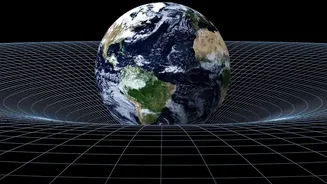
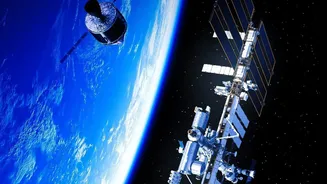
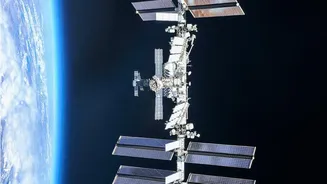
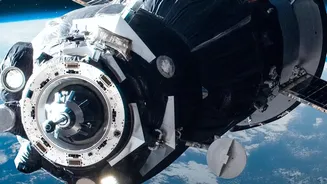
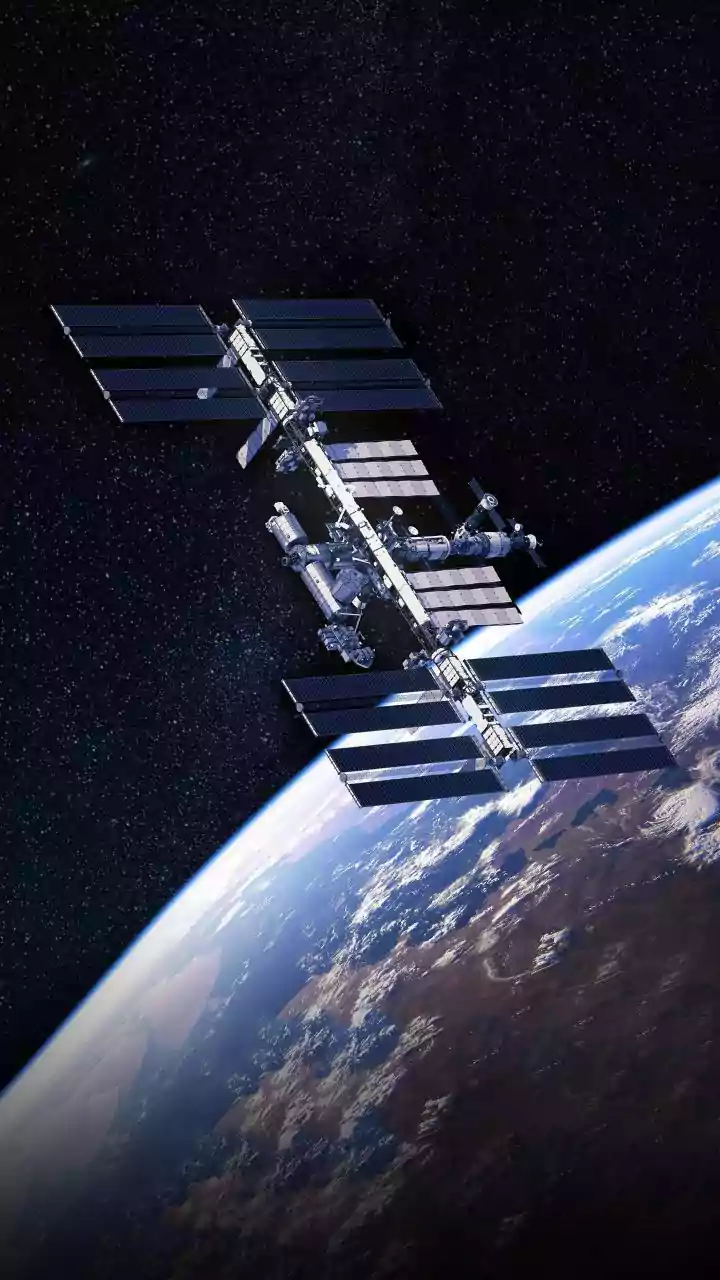
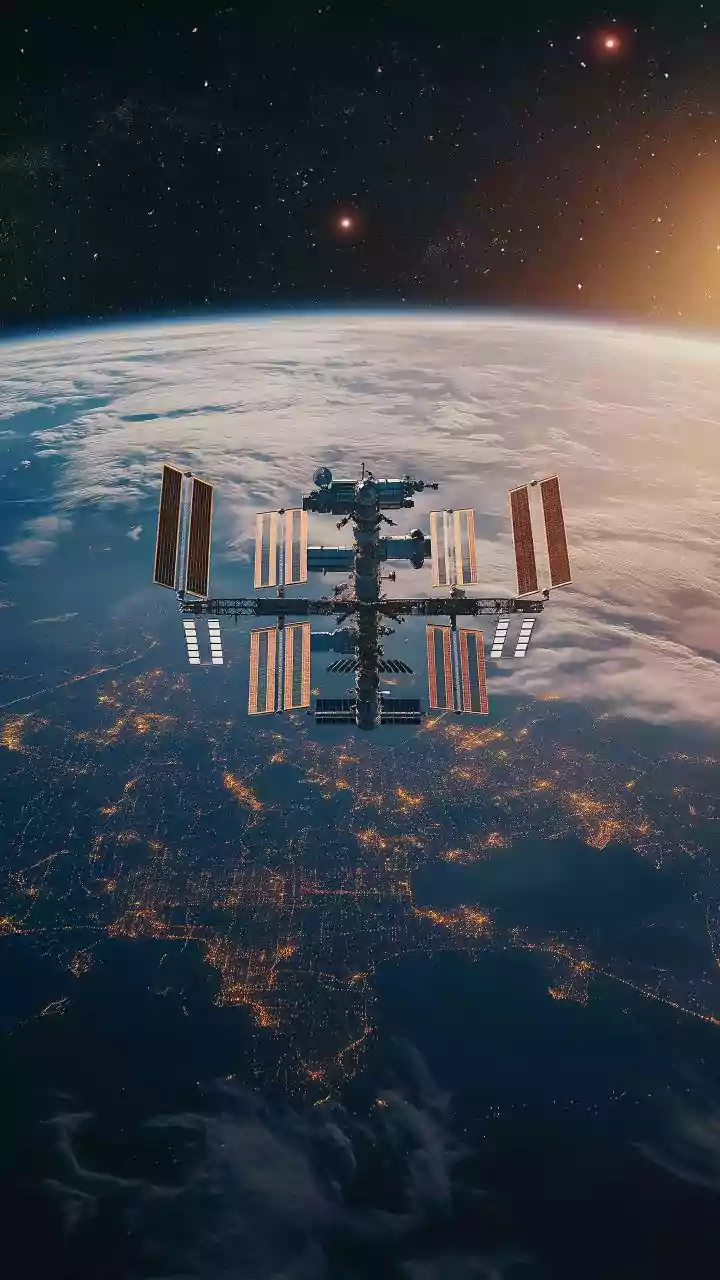
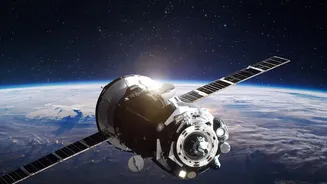
This is the magic moment an orbit is born. The cannonball is still falling, relentlessly pulled by Earth's gravity just like the first one was. But its immense horizontal speed—its forward velocity—is so great that its falling path perfectly matches the curvature of the planet below. It's in a state of continuous freefall, but it's always moving sideways fast enough to keep 'missing' the ground. The International Space Station (ISS), for example, barrels through space at roughly 17,000 miles per hour. At that speed, for every 17,000 miles it travels forward, the Earth curves down and away beneath it, keeping it at a consistent altitude.
So, an Orbit Is Just Falling?
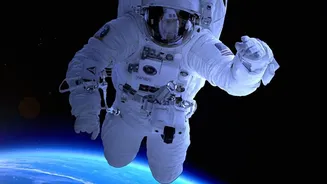
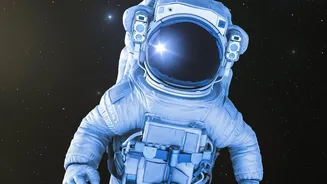
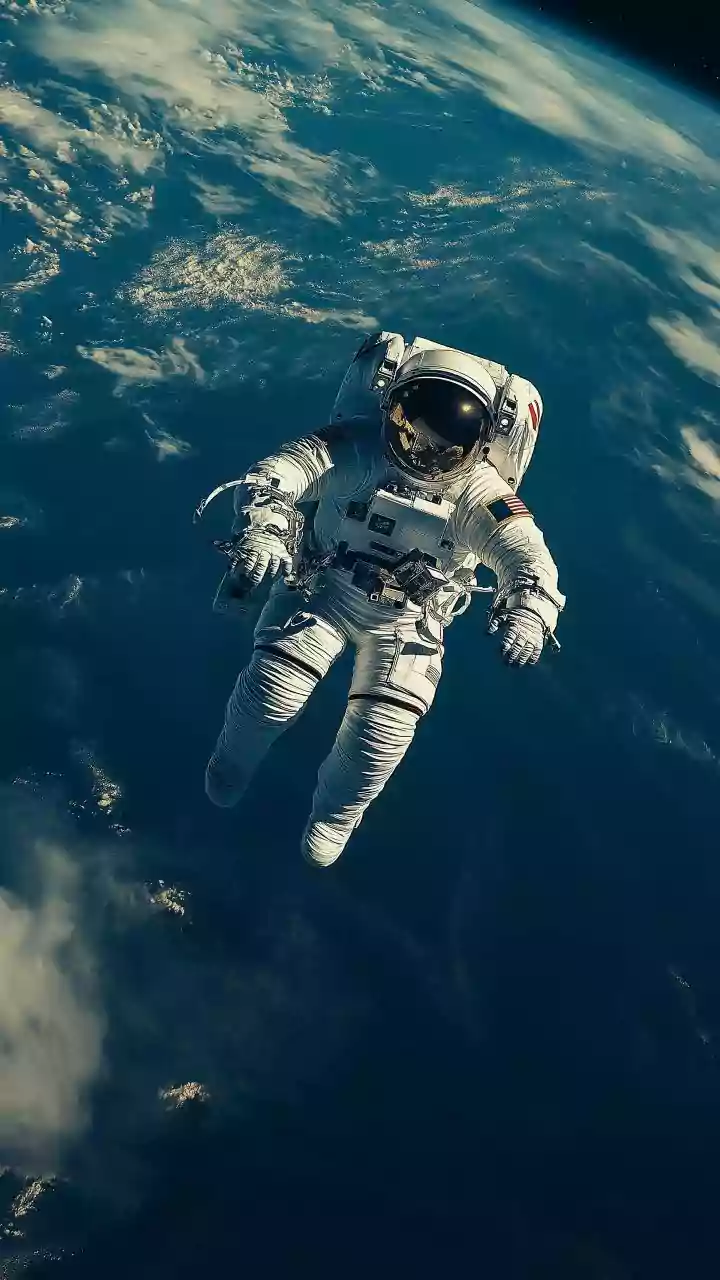
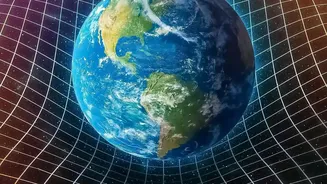
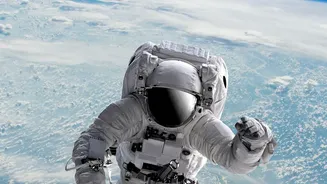
Essentially, yes. An orbit isn't about escaping gravity; it's about achieving a perfect balance with it. The astronauts aboard the ISS feel weightless not because there's no gravity—at their altitude, Earth's gravity is still about 90% as strong as it is on the surface—but because they, the station, and everything inside it are all falling together. It's the same feeling you'd get for a brief moment if you were in an elevator and its cables suddenly snapped. Because everything is falling at the same rate, you float relative to your surroundings. In an orbit, this state of freefall is perpetual, maintained by the incredible speed provided by the initial rocket launch.