





The Trouble with Traditional Resumes
For years, the PDF resume has been a flawed but necessary tool. Recruiters, often buried under hundreds of applications for a single role, spend mere seconds on an initial scan. This environment created a system reliant on Applicant Tracking Systems (ATS)
to filter candidates based on keywords. However, these systems can be clumsy, misreading creative formatting, columns, or graphics and inadvertently rejecting qualified applicants. More fundamentally, a resume is a static snapshot in time. It lists experiences but can't truly demonstrate skills, personality, or problem-solving ability. In an era where 70% of job seekers use AI to tailor their applications, many resumes now look almost identical, packed with the right buzzwords but offering little genuine insight. This has left recruiters searching for more authentic signals of a candidate's potential.
Enter the Interactive AI Portfolio
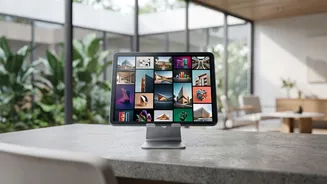
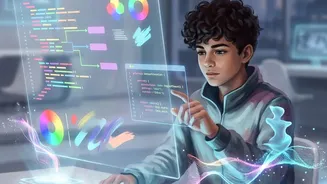
An interactive AI portfolio is much more than a document; it's a dynamic, personalized digital space where a candidate can showcase their value. Imagine a personal website that doesn't just list your projects but allows a recruiter to interact with them—viewing a live demo of a web app, exploring a data visualization, or reading through a well-documented code repository. These portfolios often include video introductions to convey communication style and personality. The 'AI' component adds another layer of sophistication. Some candidates are building AI-powered 'digital twins' or chatbots into their portfolios that can answer a recruiter's specific questions about their skills and experience in real-time, creating a truly engaging and memorable experience.
Seeing Skills in Action
The primary advantage of an interactive portfolio is its ability to provide proof of skill. While a PDF resume can claim 'expertise in data analysis', a portfolio can show it with an embedded project that walks a recruiter through the methodology, from data cleaning to final insights. For technical and creative roles in fields like software development, marketing, or UX design, this is a game-changer. Instead of relying on bullet points, a candidate can present a curated collection of their best work. This shift from 'telling' to 'showing' gives recruiters concrete evidence of a candidate's capabilities, making their evaluation more accurate and reliable. It moves the focus from what a candidate says they can do to what they have actually done.
A Clearer View of Soft Skills and Culture Fit
Critical qualities like communication, creativity, and adaptability are nearly impossible to assess from a traditional resume. An interactive portfolio provides a much-needed window into these soft skills. A video introduction can reveal a candidate's personality and communication style far more effectively than a summary statement. The way a portfolio is structured, the clarity of the project documentation, and the thoughtfulness of its presentation all offer clues about a candidate's professionalism and attention to detail. This gives recruiters a more holistic view of the person behind the application, helping them better predict not just job performance, but also potential culture fit within a team.
What This Means for the Future of Job Hunting
While the PDF resume isn't dead—it's still a requirement for most online application systems—its role is changing. It's becoming a key to unlock the first gate, but the interactive portfolio is what will increasingly win the interview. For job seekers, this means building a professional online presence is no longer optional. It's about creating a space to document your work and tell your career story in a compelling way. For recruiters, these tools offer a way to cut through the noise of AI-optimized, homogenous resumes and connect with candidates on a deeper level. This trend represents a move toward more authentic, skills-based hiring where demonstrated ability outweighs perfectly crafted bullet points.