







Choose Light, Warm, and Cooked Foods
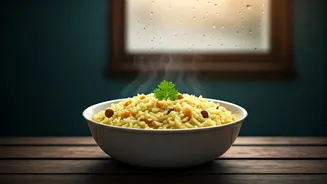
According to both Ayurveda and modern nutrition, the monsoon season weakens our digestive fire, or 'agni'. The high humidity slows down our metabolism, making it harder to digest heavy, rich foods. This is why you should prioritise meals that are warm,
well-cooked, and easy on the stomach. Think steamed or boiled vegetables, light dals, and nourishing soups. Swapping heavy curries made with cream or nuts for lighter, yogurt-based or tomato-based gravies can make a huge difference. Avoid cold and raw foods, like salads, as they can further dampen your digestive system and may carry a higher risk of bacterial contamination during this season.
Embrace Digestive Spices
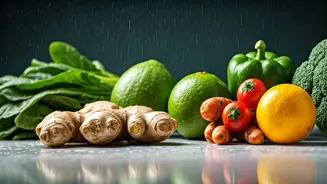
Your spice box is your best friend during the monsoon. Spices aren't just for flavour; they are powerful digestive aids and immunity boosters. Incorporate generous amounts of ginger, garlic, turmeric (haldi), black pepper (kali mirch), cumin (jeera), and asafoetida (hing) into your daily cooking. Ginger and pepper help fire up digestion, while turmeric is a potent anti-inflammatory and antiseptic agent. A simple practice is to start your day with a glass of warm water with a dash of honey and ginger, or to sip on herbal teas made with these spices throughout the day. They help combat the dampness of the season from the inside out.
Be Cautious with Leafy Greens
While leafy greens like spinach and cabbage are normally very healthy, the monsoon is a time to be extra careful. The damp soil and humid air make them susceptible to dirt, grime, and microbes that are hard to wash off. If you must have them, avoid eating them raw. It's crucial to wash them thoroughly, perhaps by blanching them in hot water with a bit of salt or turmeric before cooking. Better yet, switch to vegetables that have a thick skin or grow on vines, like gourds (lauki, tori), pumpkin, and bitter gourd (karela). These are less likely to be contaminated and are also excellent for digestion.
Rethink Your Fried Food Cravings
The pitter-patter of rain almost instinctively triggers a craving for hot, crispy pakoras and samosas. While indulging once in a while is fine, relying on deep-fried snacks is a bad idea during the monsoon. Oily and heavy foods are difficult to digest and can lead to bloating, indigestion, and lethargy. Furthermore, high humidity can cause cooking oil to turn rancid faster. If you're craving something crunchy, try healthier cooking methods. You can air-fry, bake, or pan-roast your snacks instead. A roasted corn on the cob (bhutta) or a bowl of dry-roasted chana is a much smarter and healthier way to satisfy those monsoon munchies.
Prioritise Water Purity and Probiotics
Water-borne diseases like typhoid, cholera, and diarrhoea are at their peak during the monsoon. It is non-negotiable to ensure the water you drink and cook with is safe. Boil your drinking water for at least 10 minutes, even if you use a water filter, as an extra precaution. At the same time, it’s important to support your gut health. Instead of street-side juices or cold drinks, opt for homemade buttermilk (chaas) or yogurt (dahi). These are natural probiotics that introduce healthy bacteria into your gut, strengthening your digestive system and helping it fight off infections. A healthy gut is the foundation of a strong immune system.