


From Communal Thalis to Curated Plates
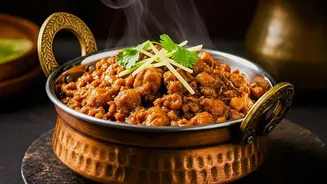
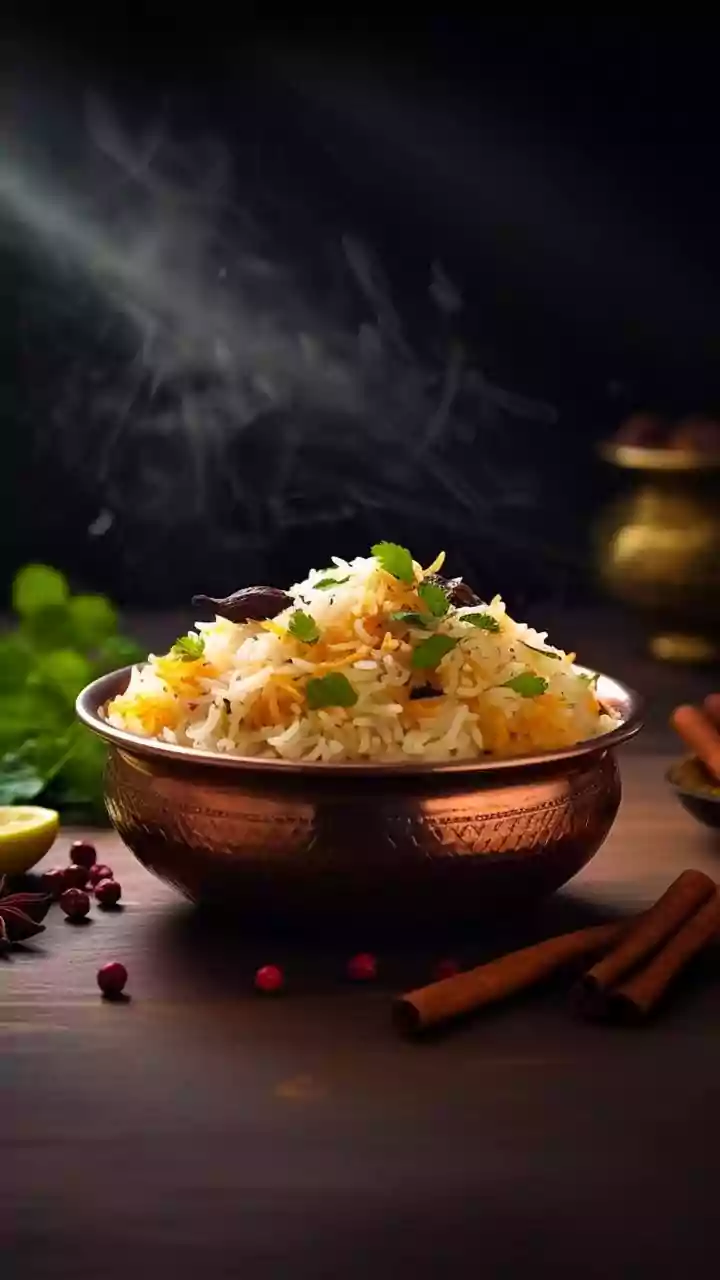
Traditionally, Indian food presentation has been about generosity and community. Think of a sprawling thali, with its many katoris filled with dal, sabzis, raita, and sweets, or a rustic handi of biryani meant for sharing. The focus was on abundance,
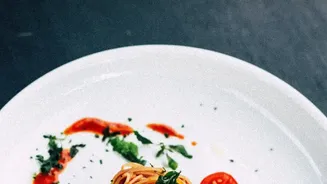
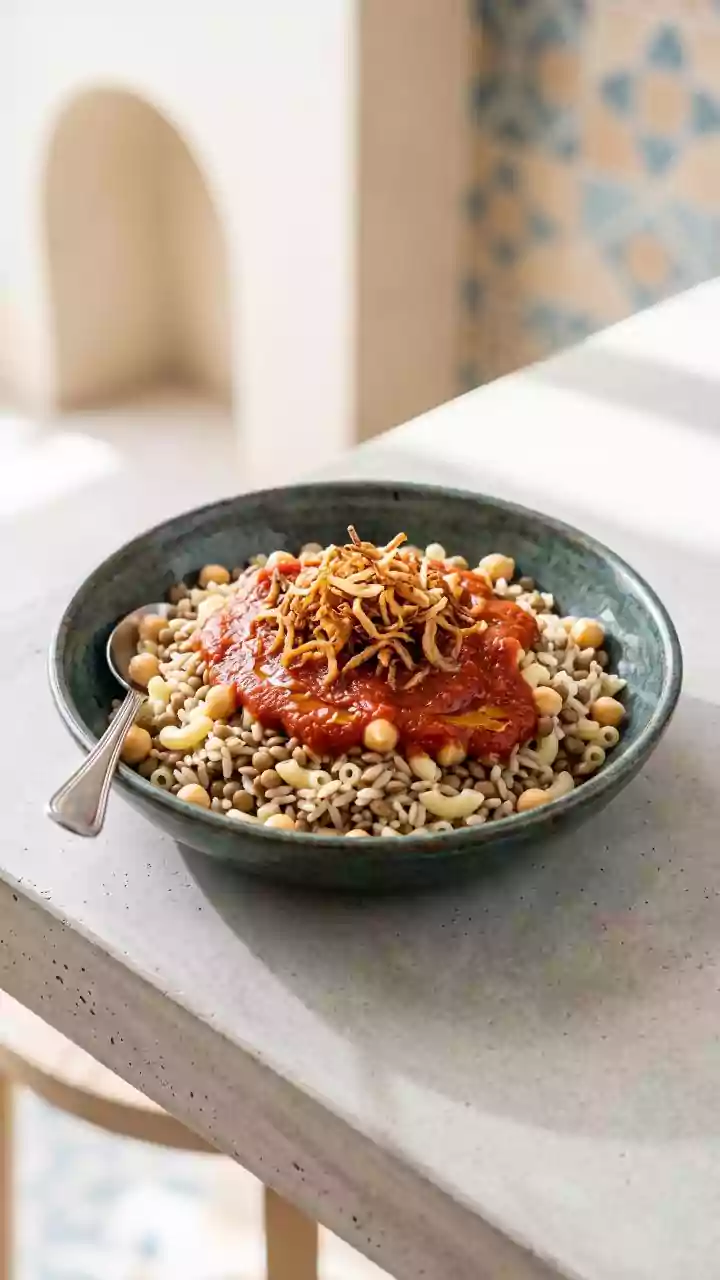
regional authenticity, and the time-honoured methods passed down through generations. Presentation was practical, prioritising shared access over individual aesthetics. Now, modern Indian cuisine is increasingly telling a story on the plate. Chefs are deconstructing classic dishes, using contemporary plating techniques, and incorporating global influences to create visually stunning meals. This change isn't just about looking different; it's about elevating the dining experience before the first bite is even taken.
The Instagram Effect: If It's Not 'Grammable, Did You Even Eat It?
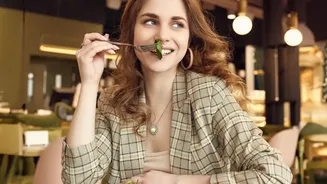
The single biggest driver of this change is social media. Platforms like Instagram have turned every diner into a potential food photographer and critic. The phrase "we eat with our eyes first" has never been more true. A scroll through any feed reveals a visual feast of perfectly arranged dishes, oozing cheese pulls, and vibrant cocktails. This creates a powerful feedback loop: diners seek out photogenic food to enhance their social media presence, and restaurants, in turn, design dishes specifically to be 'Instagrammable'. Food bloggers and influencers in India have become huge trendsetters, capable of turning a dish or a restaurant into a viral sensation overnight, shifting discovery from word-of-mouth to algorithm-driven buzz.
The Psychology of a Pretty Plate
Our attraction to beautiful food is deeply psychological. Visually appealing images stimulate the brain's reward centres, creating a 'visual hunger' that can increase cravings and anticipation. A well-presented dish signals care, quality, and a higher value, which can make the food seem more desirable and even taste better. In the social media context, sharing a photo of an aesthetic meal is also about validation and self-presentation. It’s a way to document our lives, showcase our taste, and connect with others, turning a simple meal into social currency. Restaurants are keenly aware of this, not only crafting photogenic dishes but also designing their entire ambiance—from lighting to decor—to be the perfect photo backdrop.
The Business of Being Beautiful
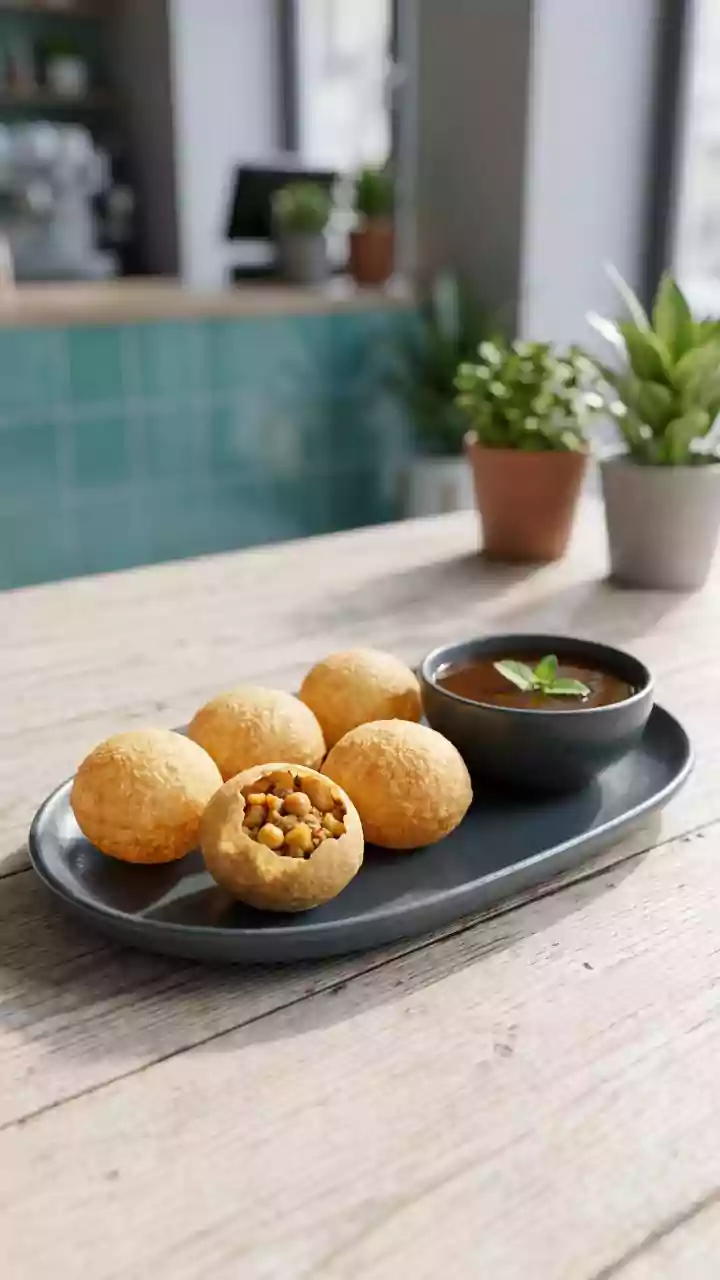
For restaurants, embracing this visual culture is no longer a choice but a business strategy. A unique presentation can be a powerful marketing tool, generating free advertising every time a customer posts a picture. This has led to an increased focus on what modern chefs call the “visual experience.” Restaurants are investing in unique cutlery, artistic plating, and creating 'hero' dishes designed to go viral. Some modern Indian restaurants now focus on fusion flavours and deconstructed classics, which lend themselves to creative presentation. Even the physical spaces are designed for the 'gram, with feature walls, unique lighting, and art installations that encourage diners to snap and share.
Is Taste Taking a Backseat?
With this intense focus on aesthetics, the inevitable question arises: is taste being compromised? Critics worry that the pursuit of the perfect picture can sometimes overshadow flavour and authenticity. While a dish might look spectacular, the true test remains in its taste. However, the best modern Indian chefs argue that presentation and flavour are not mutually exclusive. For them, modern plating techniques are used to enhance and support the flavours, not to mask their absence. The goal is to innovate while respecting the foundational tastes of traditional cuisine. While some trends may prioritise looks over substance, the most successful and enduring restaurants understand that a great meal must satisfy the palate long after the 'likes' have faded.