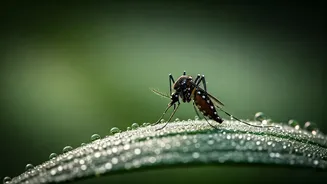









The Mosquito Menace
The single biggest topic in any monsoon health chat is the mosquito. Stagnant water, a hallmark of the season, creates perfect breeding grounds for mosquitoes that transmit diseases like dengue, malaria, and chikungunya. Symptoms often include high fever,
severe headache, joint pain, and rashes. Prevention is your strongest defence. The Aedes mosquito, which spreads dengue, often bites during the day, while the Anopheles mosquito, which carries malaria, is most active at night. To protect yourself, eliminate any standing water around your home—check flower pots, air cooler trays, and drains regularly. Using mosquito repellents on exposed skin, wearing long-sleeved clothing, and sleeping under a mosquito net are crucial steps to avoid bites.
Water and Food Worries
The second wave of messages usually focuses on stomach bugs. The risk of water contamination rises significantly during the monsoon, as heavy rains can overwhelm drainage and sewage systems. This increases the prevalence of water-borne diseases like typhoid, cholera, gastroenteritis, and hepatitis A. These illnesses typically spread through contaminated food and water and can cause symptoms ranging from diarrhoea and vomiting to high fever and jaundice. The advice is consistent: drink only boiled or filtered water. Be extremely cautious with street food, especially items that use unboiled water, raw ingredients, or ice, like chaat, juices, and golas. It’s safest to stick to freshly prepared, thoroughly cooked home food. Always wash fruits and vegetables thoroughly under running water before consumption.
Boosting Your Immunity
Amidst the warnings, someone will inevitably share a recipe for an immunity-boosting 'kadha'. There's wisdom in this. A strong immune system is your body's best defence against the common cold, flu, and other viral infections that thrive in the fluctuating temperatures and high humidity of the monsoon. Focus on a balanced diet rich in vitamins and minerals. Including immune-boosting ingredients common in Indian kitchens, like ginger, garlic, and turmeric, can be beneficial. Staying hydrated with warm water and herbal teas is also recommended. Regular exercise, even if it has to be indoors, helps improve circulation and strengthens your body's ability to fight off germs. Finally, ensure you get adequate sleep, as proper rest is essential for recovery and maintaining a strong defence against infections.
Dealing with Dampness and Fungi
The constant humidity isn't just uncomfortable; it also creates an ideal environment for fungal growth, leading to skin infections. Common issues include athlete's foot and ringworm, which thrive in damp, warm conditions. If you get caught in the rain, change out of wet clothes as soon as possible and dry yourself thoroughly, paying special attention to skin folds. Wearing clean, dry, and breathable fabrics can help keep your skin healthy. High humidity can also worsen respiratory issues, so ensuring good ventilation at home is important to prevent the growth of mould and maintain air quality. Using antifungal powders can also help in areas prone to moisture.