



Artemis III: Practicing for a Lunar Return
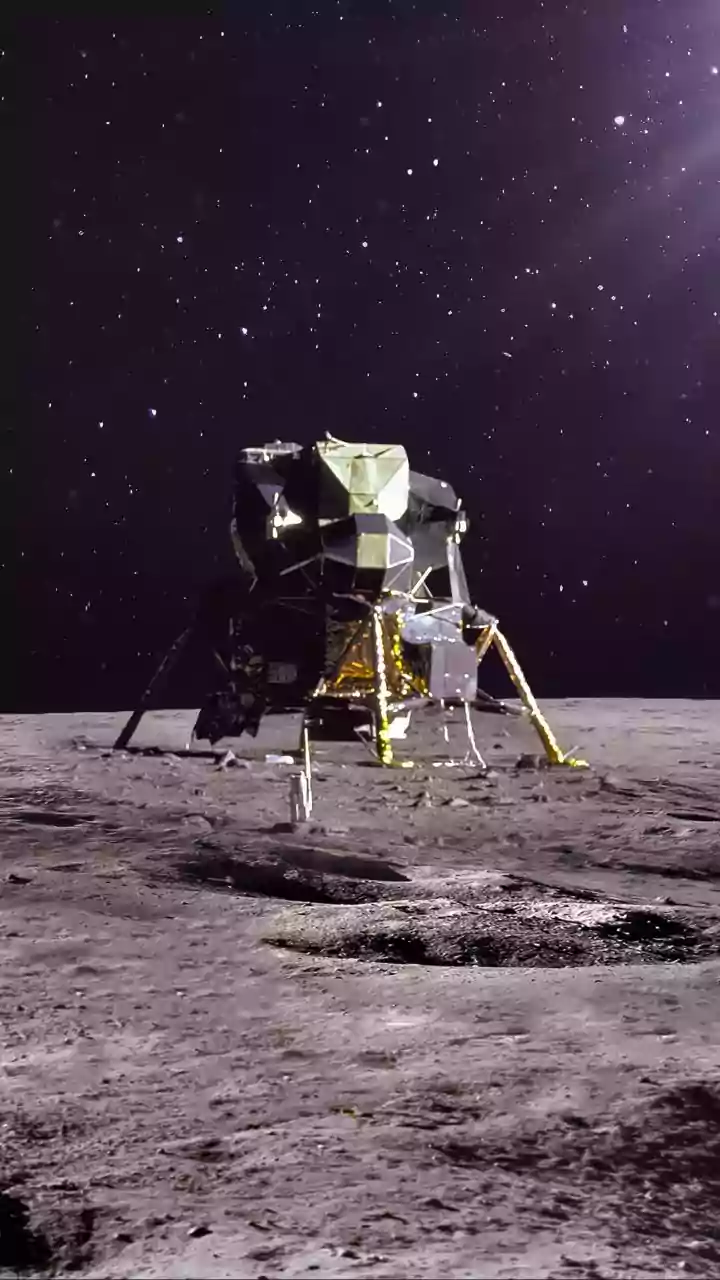
The world is eagerly awaiting humanity's return to the lunar surface, and the next major step is Artemis III, planned for 2027. While the actual landing on the Moon is now slated for Artemis IV in 2028, the Artemis III mission is a critical dress rehearsal.
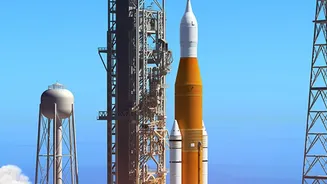
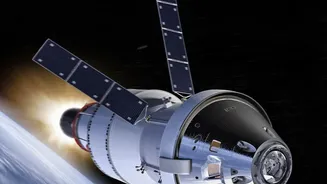
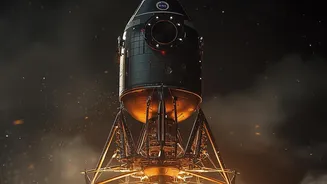
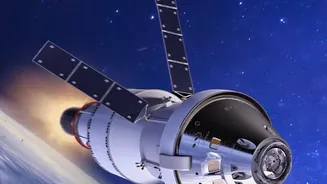
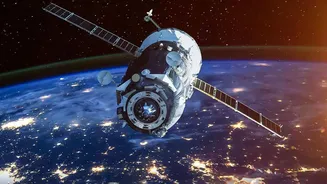
Four astronauts will launch aboard the powerful Space Launch System (SLS) rocket in an Orion spacecraft. Their destination: low Earth orbit. The primary goal is to test the hardware and procedures that will be essential for landing on the Moon. The crew will perform a historic first by rendezvousing and docking with a test version of one of the commercial human landing systems being developed by companies like Blue Origin or SpaceX. This complex manoeuvre is a vital demonstration of the systems needed to transfer astronauts from Orion to their lunar lander on future missions. For enthusiasts, this is a can't-miss event, showcasing the intricate choreography required to make lunar landings a sustainable reality.
VIPER: A Thirsty Rover's Revival
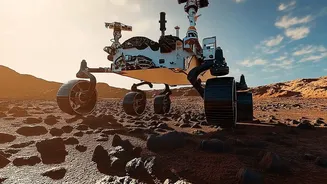
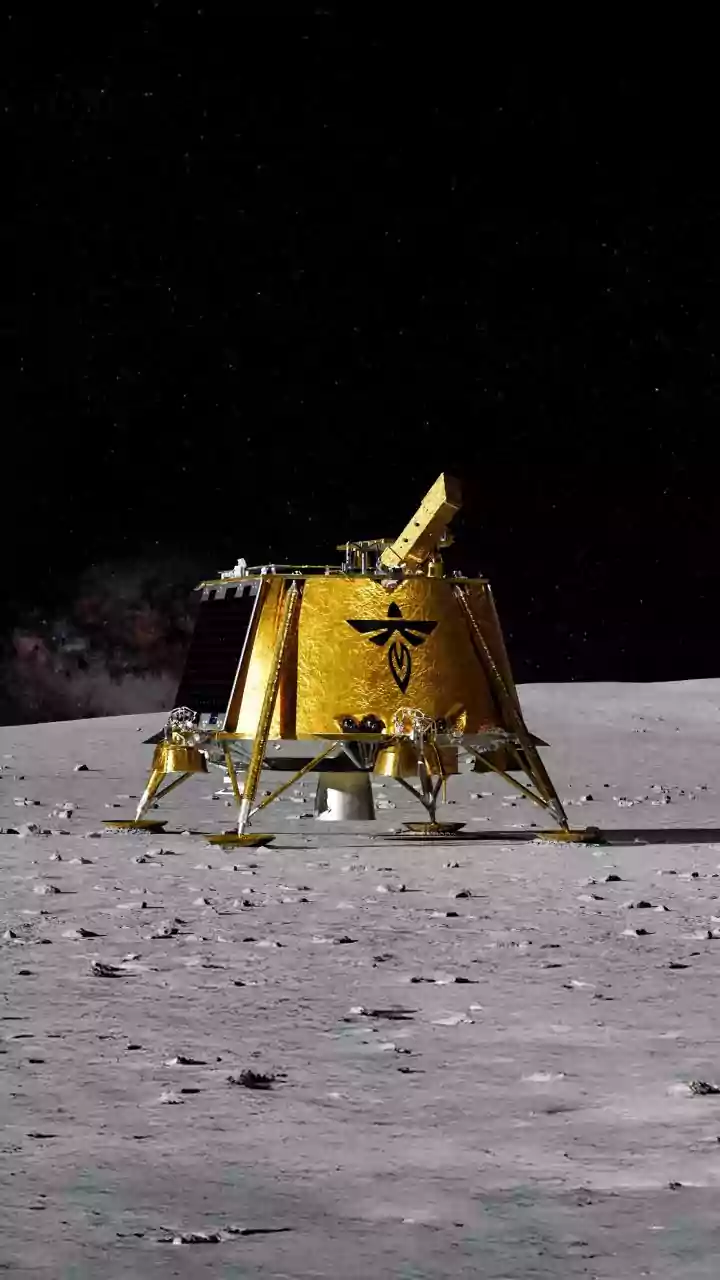
In a surprising turnaround, NASA's VIPER rover mission is back on track. VIPER, which stands for Volatiles Investigating Polar Exploration Rover, was cancelled in July 2024 due to budget issues, despite the car-sized rover being fully assembled. Now, the mission has been revived, with a new launch planned for late 2027 aboard a Blue Origin lander. This is especially exciting for followers of India's lunar programme. Like Chandrayaan, VIPER’s destination is the Moon's South Pole, a region believed to be rich in water ice. For 100 days, the robotic rover will map the concentration and accessibility of this water ice, even venturing into permanently shadowed craters where temperatures are incredibly low. The data VIPER collects will be invaluable for the Artemis programme, as it will help determine how future astronauts can use local resources—like water for life support or to make rocket fuel—to establish a long-term human presence.
Europa Clipper: A Slingshot Past Earth
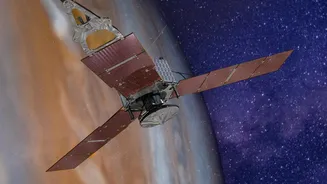
While its arrival at Jupiter is still years away, the coming months hold a key milestone for the Europa Clipper mission. Launched in October 2024, this massive spacecraft is on a 1.8-billion-mile journey to investigate Jupiter's icy moon, Europa. Scientists believe Europa hides a vast saltwater ocean beneath its frozen shell, which could potentially harbour life. To get to Jupiter, the spacecraft needs to pick up speed. After a gravity assist from Mars in 2025, Europa Clipper is scheduled to swing by Earth in December 2026 for its second and final gravity assist. This flyby will use our planet's gravity to slingshot the probe toward the outer solar system, accelerating it towards its 2030 arrival date. Watching this manoeuvre will be a reminder of the incredible precision and patience required for deep space exploration as the probe makes a brief return to its home neighbourhood before venturing out for good.
A Look Towards Mars and Its Moons
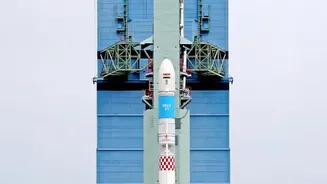
While NASA’s ambitious Mars Sample Return mission was effectively cancelled in early 2026 due to budget and timeline concerns, the dream of bringing Martian material to Earth is far from over. The Perseverance rover continues its work, having collected dozens of compelling rock samples that now await a future retrieval plan. In the meantime, another exciting mission is launching soon that will be of great interest. Japan's Martian Moons eXploration (MMX) mission is scheduled to launch in October 2026. Its goal is to study Mars's two small moons, Phobos and Deimos, and to collect a sample from Phobos for return to Earth in 2031. This would be the first-ever sample returned from the Martian system. While not a NASA-led mission, it represents the collaborative and global nature of modern space exploration and will be a key event for anyone fascinated by the Red Planet.